Fasting is making a comeback thanks to modern nutrition trends that focus not just on shaping your body, but boosting overall health too. Intermittent fasting, especially the popular 6/18 method, is gaining attention. So, what exactly is the 6/18 fast, and why should you start it in October to feel its benefits by Christmas?
What Is the 6/18 Fast?
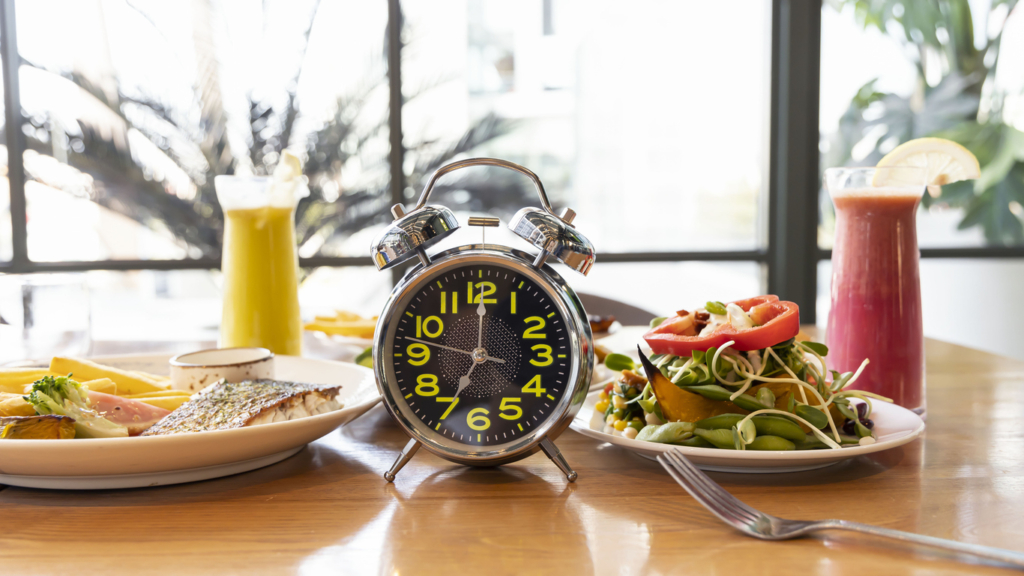
The 6/18 fast stands out by strictly defining when you can eat and when you can’t. You get just 6 hours each day to enjoy your meals, while the other 18 hours are calorie-free—no food or drinks with calories allowed.
This timing helps your body kickstart self-renewal, flushing out toxins and regenerating cells. Most people choose to eat between noon and 6 p.m., but you can adjust the window as long as you stick to the 6-hour eating rule.
Health Benefits
Supporters often highlight that the 6/18 fast offers more than just weight loss. Studies show it boosts metabolism, helping your body burn calories more efficiently.
It also helps reduce inflammation, a root cause of many chronic health issues like heart disease, diabetes, and autoimmune conditions.
What Happens in Your Body During a 16/8 Fast?
1. First Weeks (Weeks 1–3)
- Blood sugar stabilizes: With insulin levels staying low longer, your cells become more sensitive to it.
- Hunger decreases: Ghrelin (the hunger hormone) adjusts, so skipping breakfast won’t leave you starving.
- Energy shifts: Your body starts using fat more efficiently as fuel.
2. After One Month
- Body fat decreases: Many naturally reduce calorie intake, speeding up fat burn.
- Liver and visceral fat reduce: Research shows 16/8 fasting is especially effective at breaking down fat around the liver.
- Better sleep and mental focus: Stable blood sugar and rising ketones help many wake up feeling clear-headed.
3. After Two Months
- Improved insulin resistance: HOMA index can improve, making insulin response more flexible.
- Cholesterol improves: LDL may drop slightly while HDL rises.
- Inflammation markers drop: CRP, IL-6 decrease as fasting calms inflammation.
- Cell-level repair: Autophagy kicks in, recycling damaged cells and proteins.
4. After 2.5 Months
- Noticeable weight loss: Typically 4–13 lbs (2–6 kg) lost, mainly around the belly and waist (depending on diet too).
- Improved liver function: Liver enzymes like GPT may decrease, and early-stage fatty liver can reverse.
- Metabolic flexibility: Your body switches easily between burning carbs and fat.
- Better gut microbiome balance: Periodic eating supports good bacteria and may reduce gut permeability.
- Mental benefits: Many experience less afternoon fatigue, sharper focus, and more balanced moods.
Long-Term Research Insights
- Blood pressure may drop around 3 months in.
- Insulin sensitivity can improve by 20–30%.
- Oxidative stress reduces, potentially slowing aging.

Boosted Mental Clarity and Energy
One lesser-known perk of intermittent fasting is improved brain function. Your brain usually runs on glucose, but during fasting, lower insulin levels prompt your body to convert fat into ketones—an alternative, efficient fuel for your brain.
This often leads to sharper focus and mental clarity. Fans of intermittent fasting also report feeling more motivated and energized throughout the day, especially when they start their mornings with light exercise that complements the fast’s benefits.
Better Sleep and Stress Management
Fasting supports emotional and psychological well-being too. Quality sleep is key to a healthy body and mind, and intermittent fasting helps optimize metabolism, making it easier to achieve deeper, more restful sleep.
A balanced sleep cycle naturally improves mood and stress handling. Plus, fasting can lower cortisol—the stress hormone—helping reduce tension and anxiety.
Why Do People Fear Fasting?
Many hesitate to try intermittent fasting because they worry about fitting it into social life. Events with alcohol or calorie-rich foods can feel tricky. But having a set eating window actually makes planning easier—you know exactly when and what you’ll eat.
By building a solid routine and sticking to the 6/18 rule, you can develop healthy eating habits that support long-term wellness and fitness.
The fall months are perfect for trying new lifestyle changes. The 6/18 intermittent fasting method offers a great chance not just to shape your body, but to embrace a healthier overall lifestyle.
If you start this fasting routine in October, you’ll be well on your way to enjoying all the benefits by Christmas. Just remember to consult a nutrition expert or doctor before making big changes, especially if you have existing health conditions.