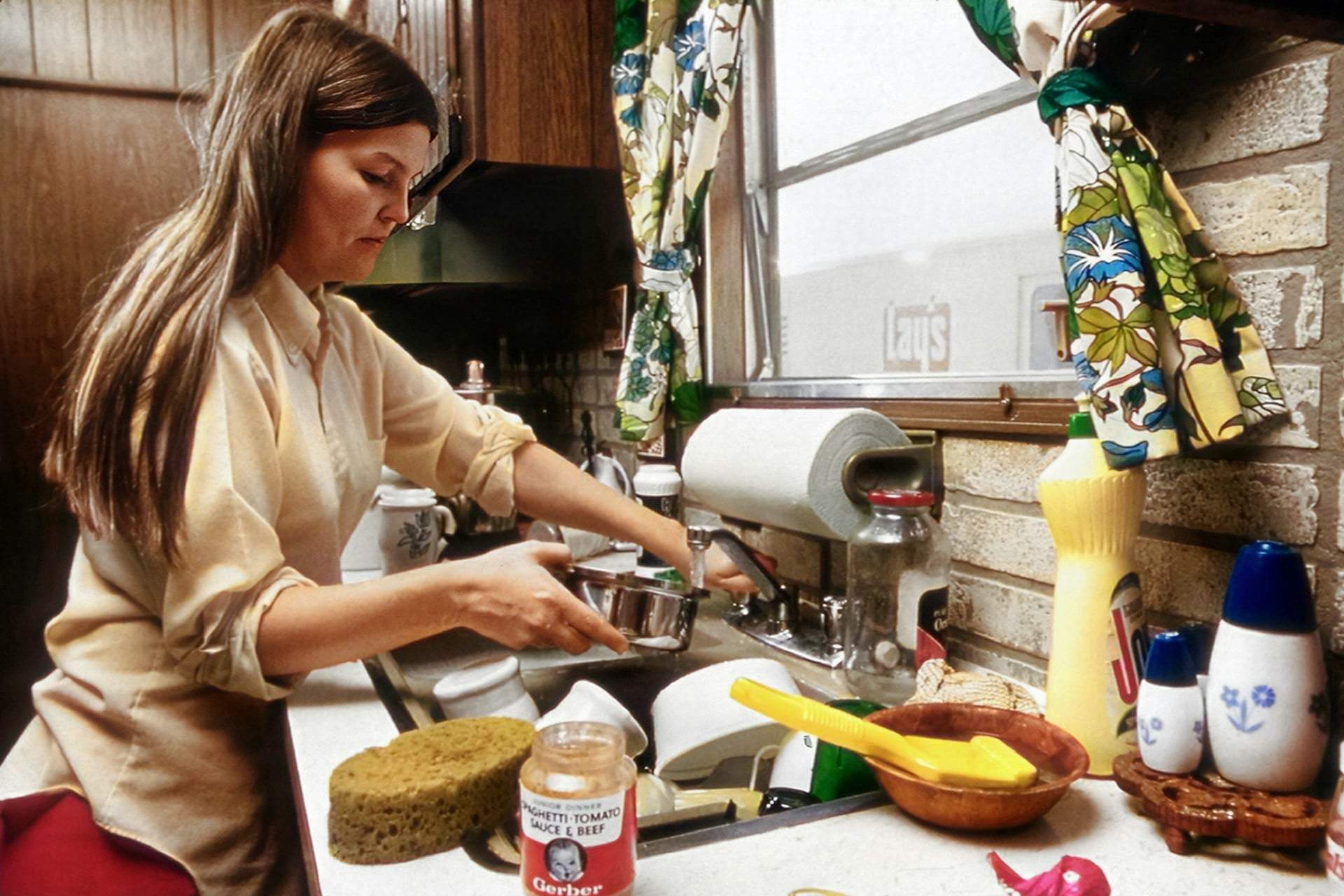
When boundaries are missing, the stress can quickly pile up, especially if you’re constantly putting others’ needs before your own. That’s a fast track to feeling overwhelmed.
How Missing Boundaries Affect Your Mental Health
Imagine saying yes every time someone asks for a favor—even when it’s more than you can handle. At first, it might seem like no big deal since you’re kind and helpful, but over time, this can drain your energy and take a serious toll on your mental health. Many people hesitate to say no because they fear judgment or rejection. The truth is, learning to say no is a vital skill for keeping your mind and emotions healthy.
Why Is Saying No So Hard?
Saying no can be tough because many worry about disappointing others. This often comes from childhood experiences or past rejections. People want to please, avoid conflict, and fear that refusing help might damage their relationships.
That’s why many end up putting others’ expectations before their own needs.
The Art of Saying No
Like any skill, you can learn to say no and get better with practice. Start by understanding why you want to say yes and if you truly mean it. Ask yourself if fulfilling the request really benefits you. If it doesn’t, it’s time to practice saying no.

Tips for Saying No Effectively
- Don’t delay your answer: If you know you can’t meet the request, say no right away. This helps you avoid second-guessing yourself.
- Stay respectful: Saying no doesn’t have to be harsh. You can say no while still showing respect for the other person.
- Keep it simple: Sometimes a straightforward “no, I’m sorry” is enough without extra explanation. This helps ease any guilt.
- Don’t be afraid to speak up: Clear and confident communication strengthens your position and earns respect for your boundaries.
How Saying No Boosts Your Quality of Life
Once you learn to set your boundaries and stop making choices that don’t serve you, your mental well-being can soar. Saying no can also improve your relationships because those who truly care will respect your decisions. Plus, it helps you avoid unnecessary stress and burnout, paving the way for a happier, more balanced life.
Mastering the art of saying no is a key part of self-growth and mental health. Setting clear boundaries protects you and reminds others to respect your personal space. With practice, you’ll find saying no makes you feel more confident and balanced every day.