As summer approaches and the city fills with sunshine, many of us crave a relaxing sunbath. But few realize how everyday products—whether a simple cream or prescribed medication—can affect how our skin reacts to sunlight.
What Does Photosensitivity Mean?
Photosensitivity, also called photosensitization, happens when your skin becomes overly sensitive to UV rays. This means your skin can suffer more damage from sun exposure, sometimes leading to severe sunburn, redness, or inflammation. In some cases, rashes and blisters may also appear.
Photosensitivity often stems from certain compounds found in medications, cosmetics, and even some foods.
Two Types of Photosensitivity
There are two main types of photosensitivity: phototoxicity and photoallergy. Phototoxic reactions occur when sunlight directly interacts with a compound on your skin, causing an immediate or quick reaction that usually looks like a sunburn.
Photoallergy, on the other hand, is an immune response where sunlight triggers a compound to act like an allergen. This can cause inflammation, itching, and rashes, sometimes hours or even days after sun exposure.
Medications That Can Cause Photosensitivity
Many common medications and supplements contain ingredients that can increase your skin’s sensitivity to sunlight.
Antibiotics, especially tetracyclines like doxycycline, are known for this effect. Also, cholesterol-lowering drugs, certain pain relievers like ibuprofen, anti-inflammatory medications, and some diuretics prescribed for high blood pressure can make your skin more sensitive to the sun.
Antidepressants may also increase sensitivity, making heat harder to tolerate. The list is long, and since many people rely on these medicines, it’s wise to be cautious from the very first sunny days.
Cosmetics and Photosensitivity
Some fragrances in cosmetics, like lavender or bergamot oils, and preservatives such as parabens, can also trigger photosensitive reactions. When choosing personalized skincare products, check the ingredients and try to avoid those that may increase sun sensitivity—especially if you’ll be outdoors for extended periods.
Diet and Photosensitivity
Your diet can influence photosensitivity too. Certain foods containing furanocoumarins—found in veggies and fruits like lime and celery stalks—may contribute to sun sensitivity. Keeping an eye on your diet is especially helpful during sunbathing seasons.
How to Protect Yourself from Photosensitivity
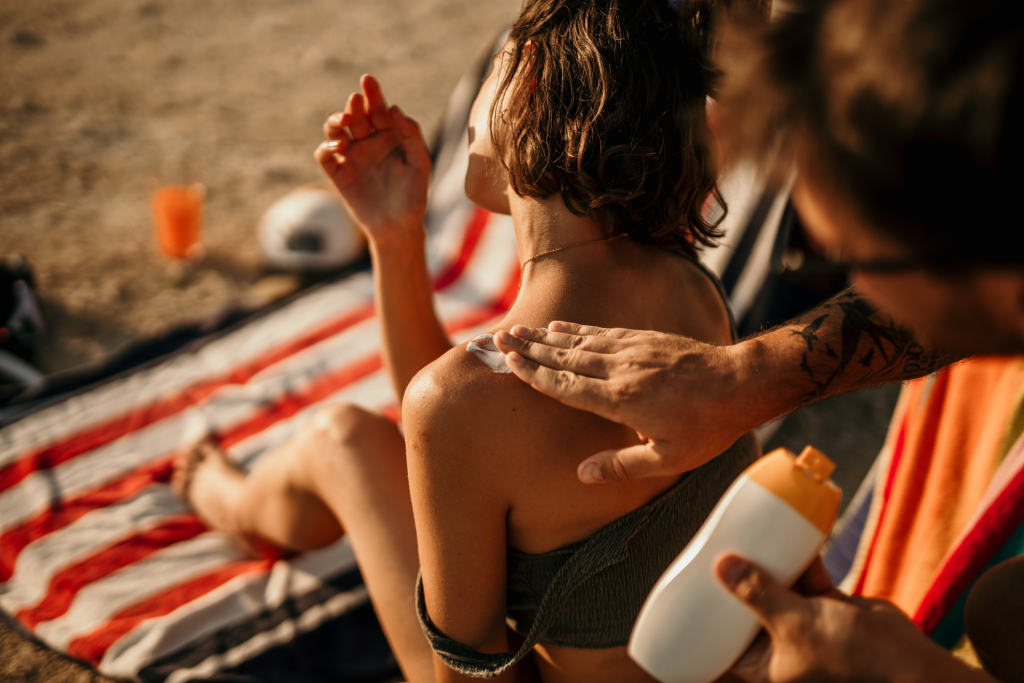
If you’re taking medication that can cause photosensitivity, the safest choice is to avoid sun exposure altogether. If that’s not possible, use a high-SPF sunscreen, wear a hat, and choose lightweight, long-sleeved clothing. Also, try to stay in the shade during the sun’s peak hours.
These simple steps can lower your risk and help you enjoy sunny days without uncomfortable skin reactions. Always check your medications and skincare ingredients ahead of time to avoid any surprises.