How Long Does Tea Stay Fresh?
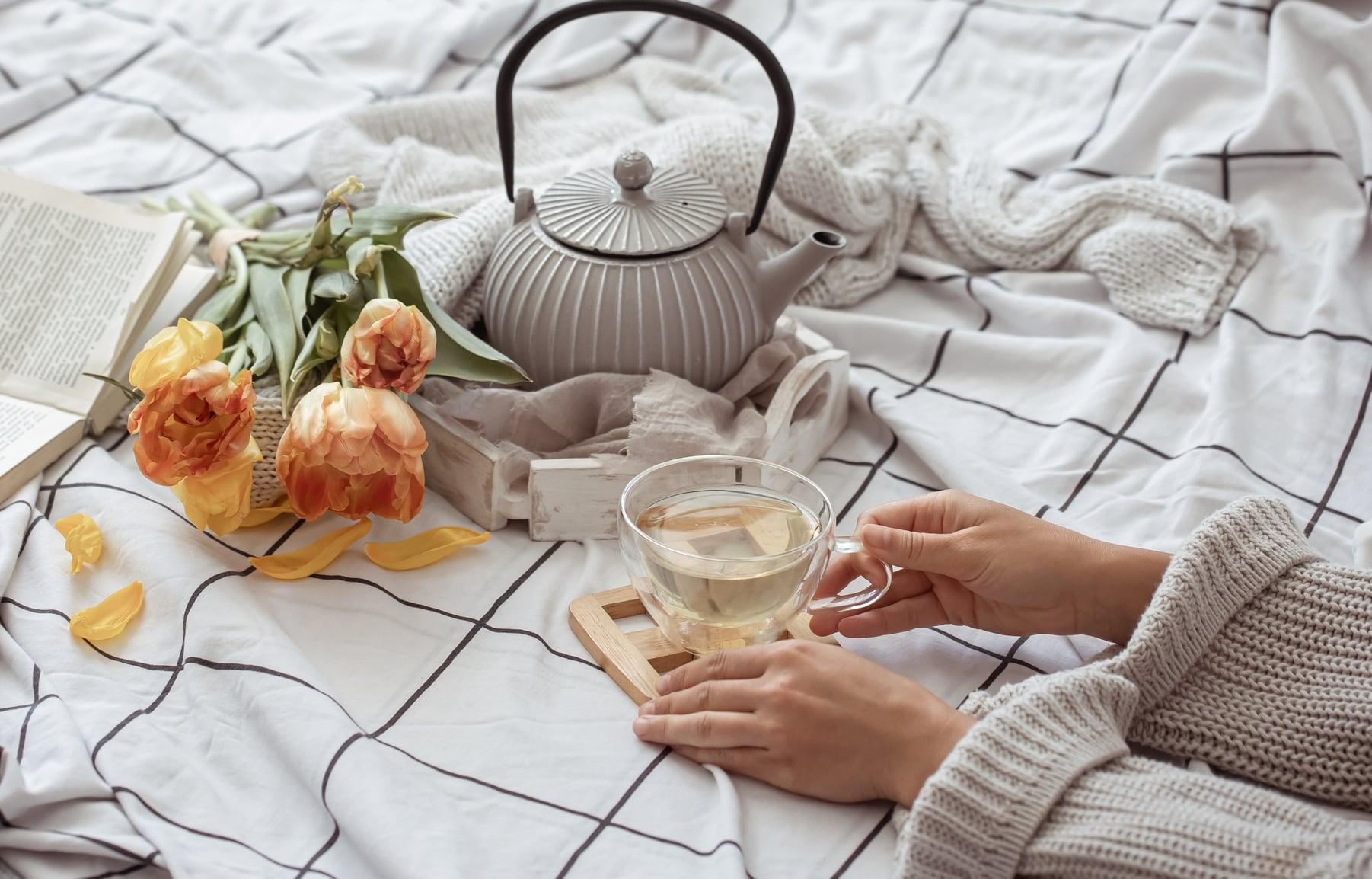
Good news: tea is one of those foods that stays fresh for quite a while. Bagged teas in paper boxes usually keep their freshness for about 3-4 months. Traditional loose-leaf teas stored in airtight containers can stay fresh for up to a year. (Black and oolong teas can sometimes last even longer.) The key is to store your tea properly—keep it away from heat, light, and moisture whenever possible.
When Does Tea Go Bad?
Tea is pretty resilient. If it’s not buried deep in a cabinet for years and is stored well, it probably won’t spoil before you finish it with regular use. If you don’t drink tea often, it’s more likely that over time it will just lose some of its flavor and freshness after a month or two. Sometimes, it might even develop a stale taste—once that happens, it’s best to stop drinking it.
Of course, if you don’t store your tea properly, it can lose flavor much faster or even go moldy. If you suspect this, don’t check the purchase date—just swap it out for a fresh batch. Enjoy the vibrant aromas, and next time, store your tea more carefully. And don’t feel pressured to throw away tea you think is spoiled: it can go into your compost, and brewed tea can even be used as a natural dye.
How to Keep Your Tea Fresh
As mentioned earlier, tea is sensitive to a few things: air, moisture, light, and heat. Even brief exposure to any of these can cause it to spoil.
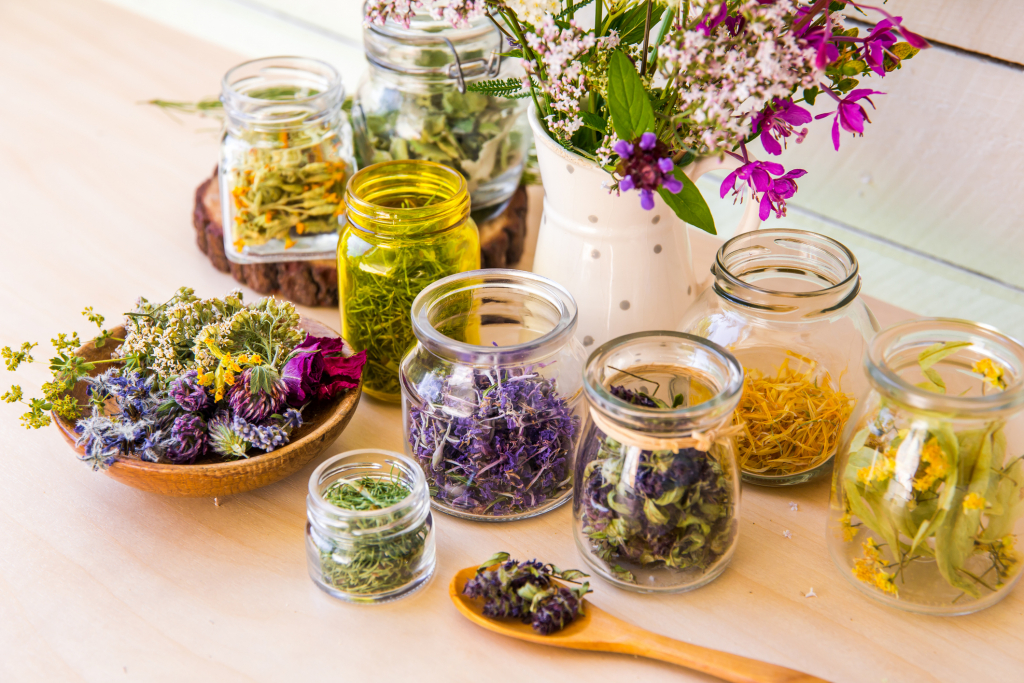
The best way to keep tea fresh is to store it in an opaque, airtight container—classic tea tins are perfect for this.
If you use glass jars like mason jars, be sure to keep them in a dark drawer or cupboard to protect them from direct heat and light. If you buy artisan teas, it’s smart to first get them in a box, then later buy refill bags to top off your empty tin.
Tips for Collecting Teas
If you drink tea daily or almost daily, usually you don’t have to worry about freshness with proper storage. But if you want to collect teas, keep these tips in mind: choose smaller packages, buy more of your favorite flavors, and keep track of how long each tea has been in your collection. Once teas reach a few months old, start using them up gradually before restocking with fresh supplies.
Source: artfultea.com, lacademie.com