There is a particular colour the light goes in the half hour before a proper summer storm, and after enough seasons on a small city balcony you learn to read it. This week, with thunderstorm warnings running through a lot of the country and rain returning after a dry stretch, the timeline is the same as it always is: you get somewhere between ten minutes and an hour of warning, and what you do with it decides whether you spend Thursday sweeping soil off the floor tiles or simply enjoying the sound of rain on the railing.
I keep the whole thing to a ten-minute round because a longer plan is a plan I will not do. It runs outside first, then inside, then a short recovery pass the next morning. None of it requires equipment you do not already own.
Outside: the things that fly, fall or flood
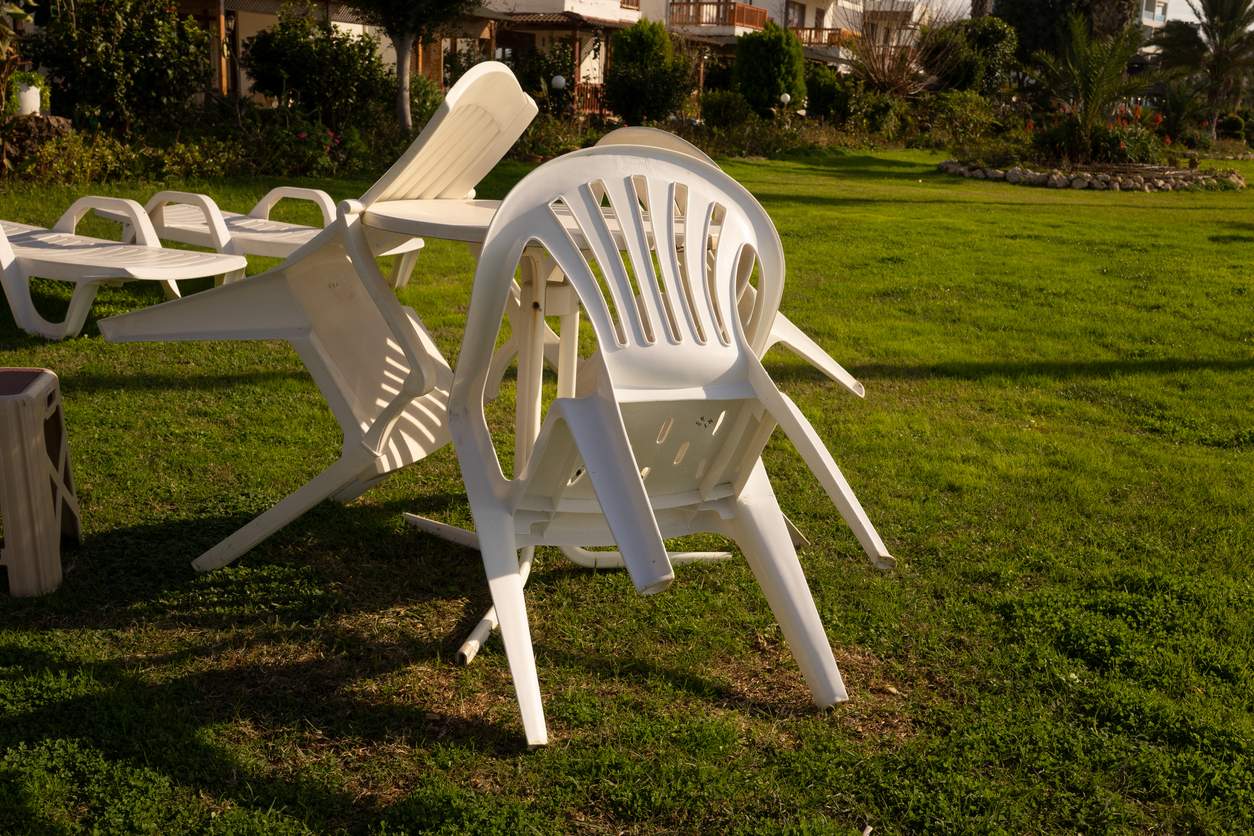
Start with anything light and anything glass. Empty plastic pots, seed trays, a folded drying rack, the little lantern on the ledge — those are the pieces that end up two floors down. They go inside, or into one heavy box pushed against the wall. Fold the parasol and lay it flat rather than leaning it in a corner; wind lifts anything that stands up.
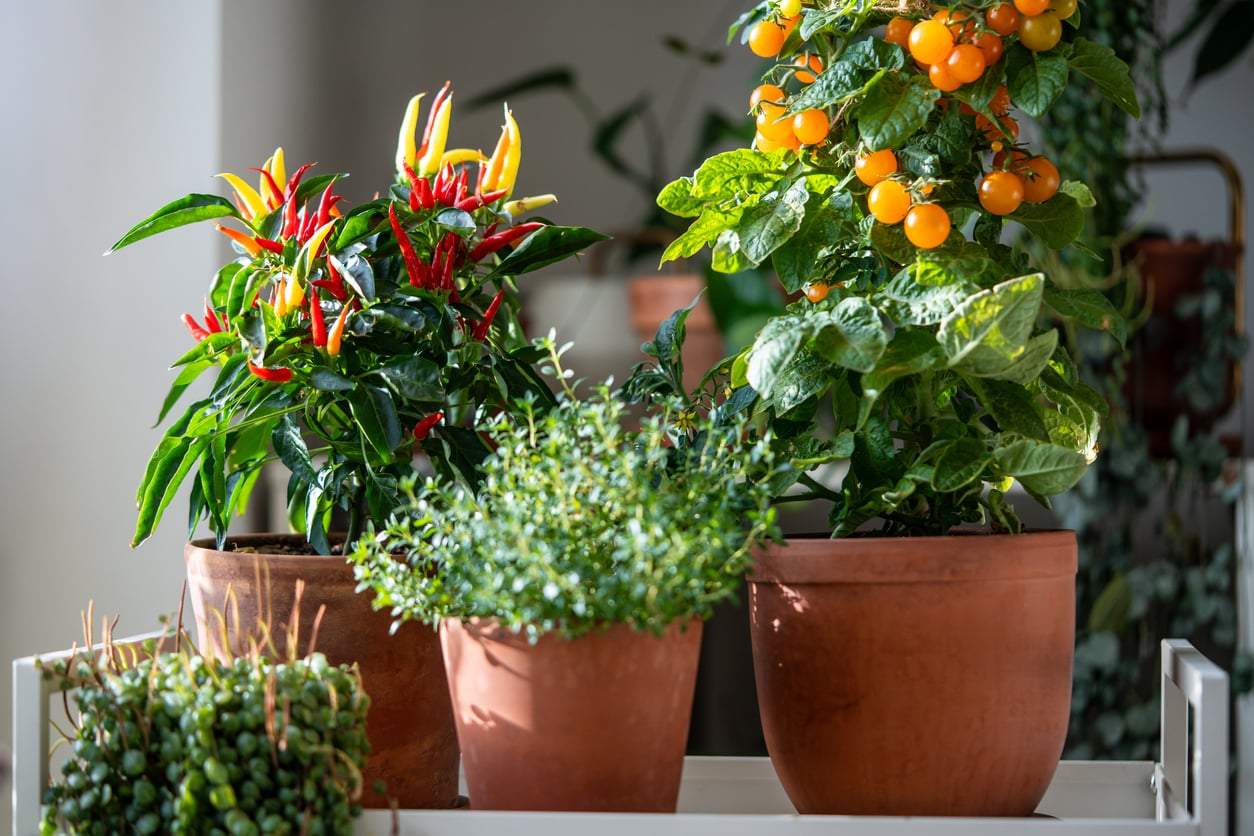
Then look at your tall plants. Anything top-heavy in a light pot — a tomato in a grow bag, a leggy basil, a young shrub — gets moved to the most sheltered corner, usually against the building wall and out of the wind funnel between blocks. If a pot has to stay where it is, cluster it with its neighbours so the group braces itself, and pull the group in from the railing edge. I lay taller stems along a wall rather than letting them whip. A snapped main stem is the one storm injury a plant genuinely struggles to recover from.
Last outdoor job, and the one people skip: the drain. On a balcony that means clearing the outflow hole of leaves, spent flowers and the gravel that migrates out of pots. Thirty seconds with your fingers or a stick prevents an inch of standing water and a very unhappy downstairs neighbour. If you have a window box on the street side, check that it is actually secured to the bracket and not just sitting in it.
Inside: light, water, and the laundry question
Indoors the list is even shorter. Close and latch windows properly rather than leaving them on the vent setting, because horizontal rain finds every gap. Put your phone on to charge now, while you have power, and find one working torch or a candle and matches — not so you can be dramatic about it, but so you are not searching a dark kitchen drawer later. Fill a jug of water. If your building has a lift, take the stairs for the next hour.
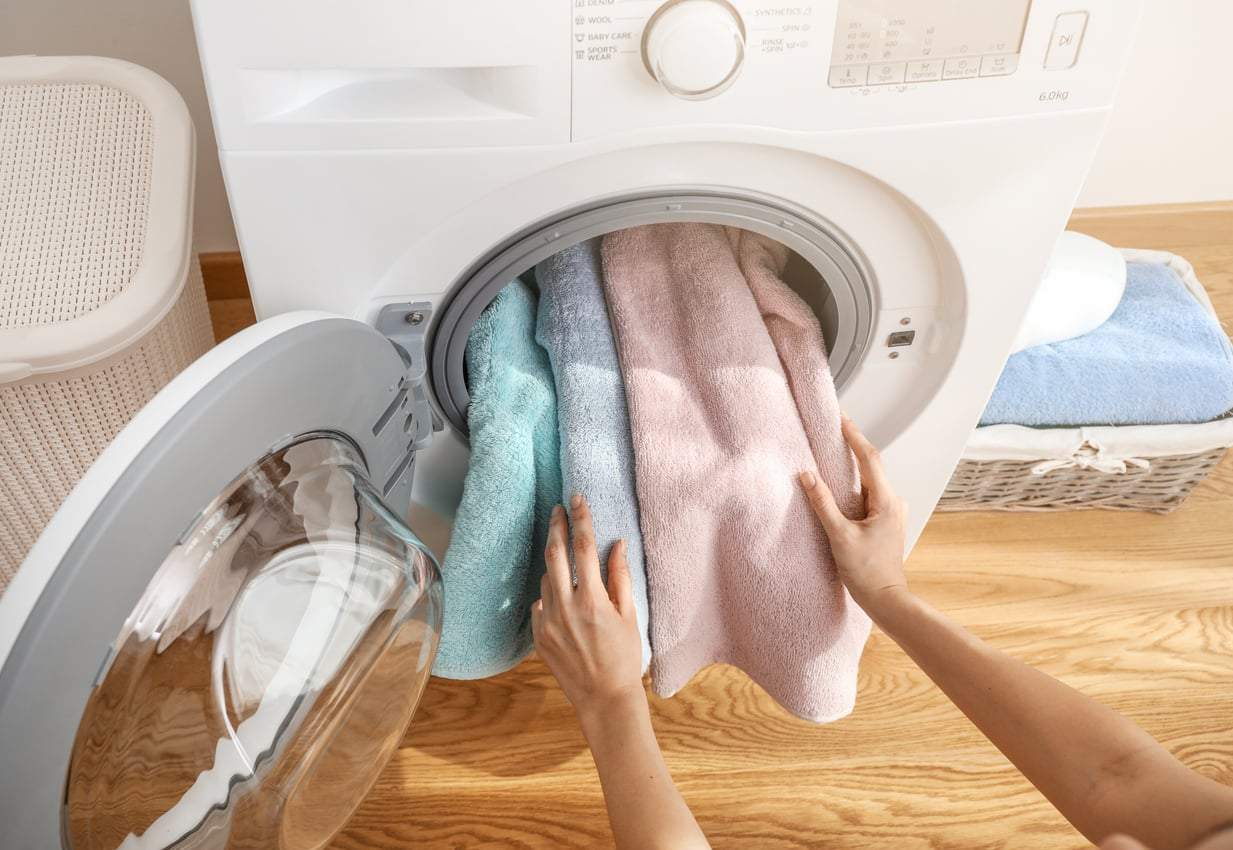
If a wash is mid-cycle and the storm is close, let it finish, but bring the drying rack in from outside first — wet laundry left out in a storm is laundry you wash again. Set the rack up near an open interior doorway, not in a closed bathroom, and if you have an extractor fan or dehumidifier, run it for the first hour. Airflow is what stops indoor drying from smelling like a cellar.
The morning after, in five minutes
The recovery pass is genuinely quick. Tip standing water out of pot saucers, because roots sitting in a warm puddle will rot faster than they ever dry out. Firm the soil back around anything that has been rocked loose and stake what is leaning. Snip broken stems cleanly rather than leaving a ragged tear, and pick up fallen fruit before it turns into a wasp cafeteria. Then check the drain again, because everything the storm shook loose has landed on it.
Rain like this is also free deep watering, so skip the can for a day or two and let heavy pots drain properly before you top them up again.
What should I do with balcony pots if I'm not home when the storm hits?
Prepare on the way out in the morning rather than trying to fix it remotely. If the day's forecast mentions storms at all, move the light pots to the sheltered wall before you leave, bring loose items in, take the parasol down and clear the drain — it costs two minutes and covers you whether the storm arrives at three or never arrives at all. Anything you truly cannot move, cluster low and away from the railing so a gust has less to grab.
How do I dry laundry indoors without the flat smelling damp?
Give the load an extra spin before it comes out of the machine, because less water in the fabric is the biggest single factor. Then space the items with a hand's width between them, put the rack where air moves — near a doorway, a fan or an open window once the rain passes — and never leave a load sitting damp in the drum for hours, which is where the musty smell actually starts.