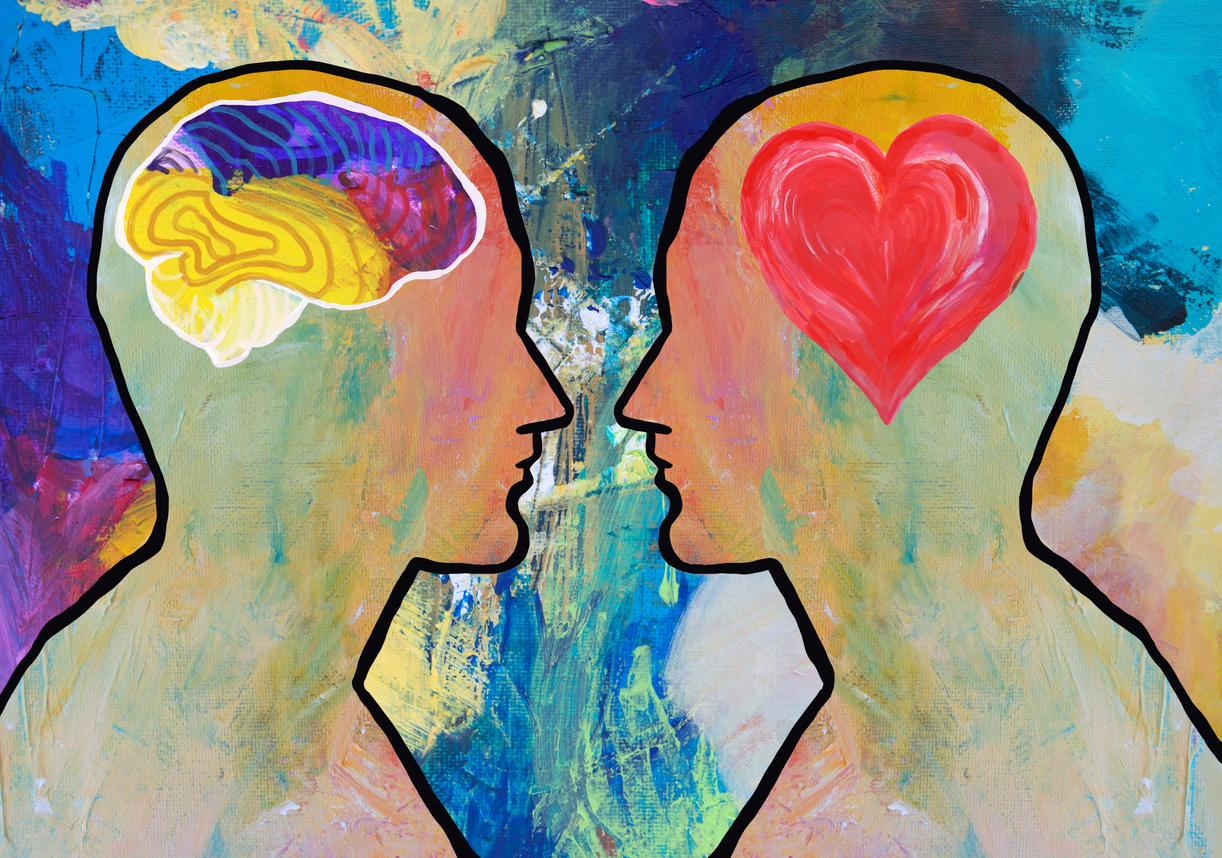
Emotional intelligence, or EQ as it’s commonly known, shapes every part of our lives—from career success and deep personal connections to maintaining our mental well-being. Yet, this vital skill often takes a backseat in school curricula, even though developing emotional intelligence can truly transform our daily experiences.
What Exactly Is Emotional Intelligence?
To understand what’s sometimes missing in our EQ, it helps to first clarify what emotional intelligence really means. Emotional intelligence is our ability to recognize and manage our own emotions while also responding sensitively to the feelings of others. Daniel Goleman, a leading expert in the field, identifies five key components of EQ:
Self-awareness, self-regulation, motivation, empathy, and social skills.

The Most Common Emotional Intelligence Gaps
Unfortunately, these five gaps often hold us back from fully tapping into the benefits of our emotional intelligence:
1. Lack of Self-Awareness
Self-awareness is the foundation of emotional intelligence because we can only manage our emotions effectively if we truly understand them. Without it, we struggle to identify what causes us stress or happiness. This gap can lead to overcommitting or forming relationships that don’t serve our long-term well-being.
2. Underdeveloped Empathy
Empathy—the ability to sense and understand others’ emotions—is key to building cooperative and harmonious relationships. Those who can’t put themselves in others’ shoes often find their connections remain shallow and may face conflicts that are tough to resolve.
3. Poor Emotional Self-Regulation
Emotional self-regulation lets us stay in control of our reactions, especially in stressful or conflict-filled moments. Without it, we might experience sudden outbursts of anger or anxiety, which can negatively affect our daily lives and relationships.
4. Weak Motivation
Lacking intrinsic motivation, or inner drive, can sap our energy and make reaching goals harder. When we don’t know what truly matters to us, it’s easy to lose direction and feel frustrated or dissatisfied.

5. Social Skills Deficits
Social skills help us communicate well, manage conflicts, and build connections. Without them, misunderstandings and isolation can arise because we struggle to express our feelings and thoughts effectively.
How Can We Boost Our Emotional Intelligence?
While emotional intelligence gaps can hold us back, the great news is EQ can be learned and improved. Daily self-reflection and journaling can greatly enhance self-awareness. To build empathy, try approaching others’ feelings with openness, think about their perspectives, and make an effort to understand situations from their point of view.
Emotional self-regulation improves with practice: find calming techniques like meditation or breathing exercises that work for you. Boost motivation by setting clear, achievable goals and steadily working toward them. To enhance social skills, focus on mindful communication and strive to be an open, attentive listener.
Developing emotional intelligence is a long but incredibly rewarding journey that positively impacts every area of our daily lives.
Even if schools don’t prioritize EQ, we have the power to consciously nurture this essential skill ourselves. Remember, overcoming emotional intelligence gaps not only enriches our own lives but also contributes to the happiness and well-being of those around us.