
"If you don’t learn it as a child, you’ll never get it." "Once the language window closes, deep learning is impossible." We’ve all heard these clichés when it comes to learning foreign languages. Many business models even rely on parents eager to invest big sums early on, worried their kids might miss out.
The truth is much more nuanced: science no longer supports the simple idea that there’s one "perfect" age to learn a language.
The Power of the "Sponge Brain"
Children’s brains are especially receptive to language input. Little ones can pick up rhythms, sounds, and language patterns that adults find much harder to master—pronunciation is the clearest example. Kids exposed to a foreign language very early, even in preschool, often develop an almost native-like accent.
Another advantage of childhood language learning is that young children communicate without anxiety: since it’s natural for them to make mistakes even in their native tongue, they’re not held back by fear of grammatical errors and freely practice the new language.
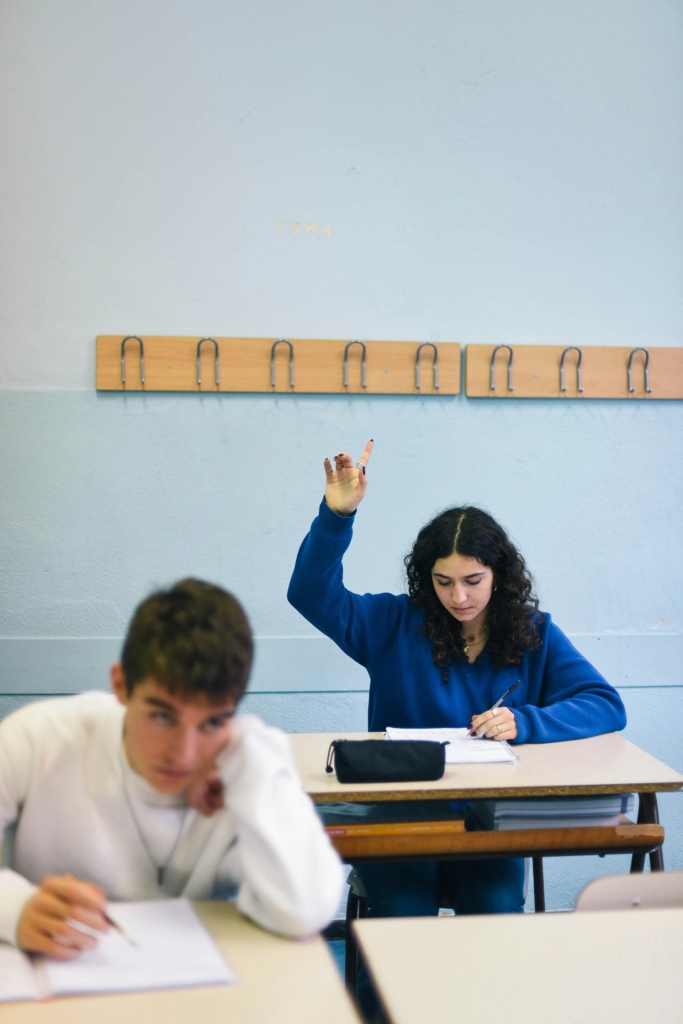
Awareness and Strategies
But these childhood advantages don’t mean adults can’t learn new languages. On the contrary: adults have their own strengths. A mature brain can consciously focus on grammar, understand rules, and compare new knowledge with what’s already known. This often speeds up progress in vocabulary, reading comprehension, and grammar.
Adults also tend to learn with clearer goals: for work, travel, relationships, or personal growth. Motivation is key. Studies show learners emotionally connected to a language—maybe through culture, music, or family heritage—often achieve better results than those learning just because they "have to."
Pronunciation — The Only Age-Sensitive Factor?
Research suggests pronunciation is the most age-sensitive aspect of language learning—where kids really have an edge.
When it comes to fine distinctions in sounds, an early start can truly bring you closer to native-like speech.
Still, it’s not true that adults have no chance: some adult learners reach impressively high levels—even if their pronunciation carries a subtle original-language "fingerprint."

Different Ages, Different Learning Methods
It’s key to understand that effectiveness depends not just on age but also on the learning method. Kids often learn implicitly through natural interaction and play. Adults usually use explicit, conscious strategies: grammar comparisons, vocabulary organization, books, and apps.
Another important difference is that children don’t "study" language—they absorb it naturally, just like their native tongue, without rules or explanations. To truly acquire a language, we need to encounter it in a natural environment with native speakers, not just be taught rules.
It’s also worth noting that while it was long believed the language acquisition window closes around age 6 or 7—after which we only learn languages through rules—many researchers now think this happens much later. Some psycholinguists even argue the window never fully closes, and with the right environment and input, we can acquire new languages at any age, not just learn them.