Taking your workout outside in summer feels amazing — fresh air, open skies, no gym fees. But there's one detail most people completely overlook: when you exercise matters just as much as whether you exercise at all. Summer heat has a real impact on your body's performance and recovery, and choosing the wrong time of day doesn't just make your session less effective — it can actually put your health at risk.
Morning is your best friend
The hour or two right after sunrise is the sweet spot. The air is still cool and fresh, UV radiation is low, and your body is alert without yet being beaten down by the day's heat. Sports science consistently points to early morning as the ideal window for outdoor summer exercise.
There's an extra bonus to morning workouts too: they kickstart your metabolism early, and many people report feeling noticeably more energetic throughout the entire day after moving in the morning. Parks and running paths are also quieter, less crowded, and there's something genuinely freeing about having the outdoors almost to yourself.
That said, morning training does ask something of you: get to bed at a reasonable hour the night before, and don't head out on an empty stomach. A light, easily digestible breakfast will give you enough fuel without weighing you down mid-run.
What heat actually does to your body
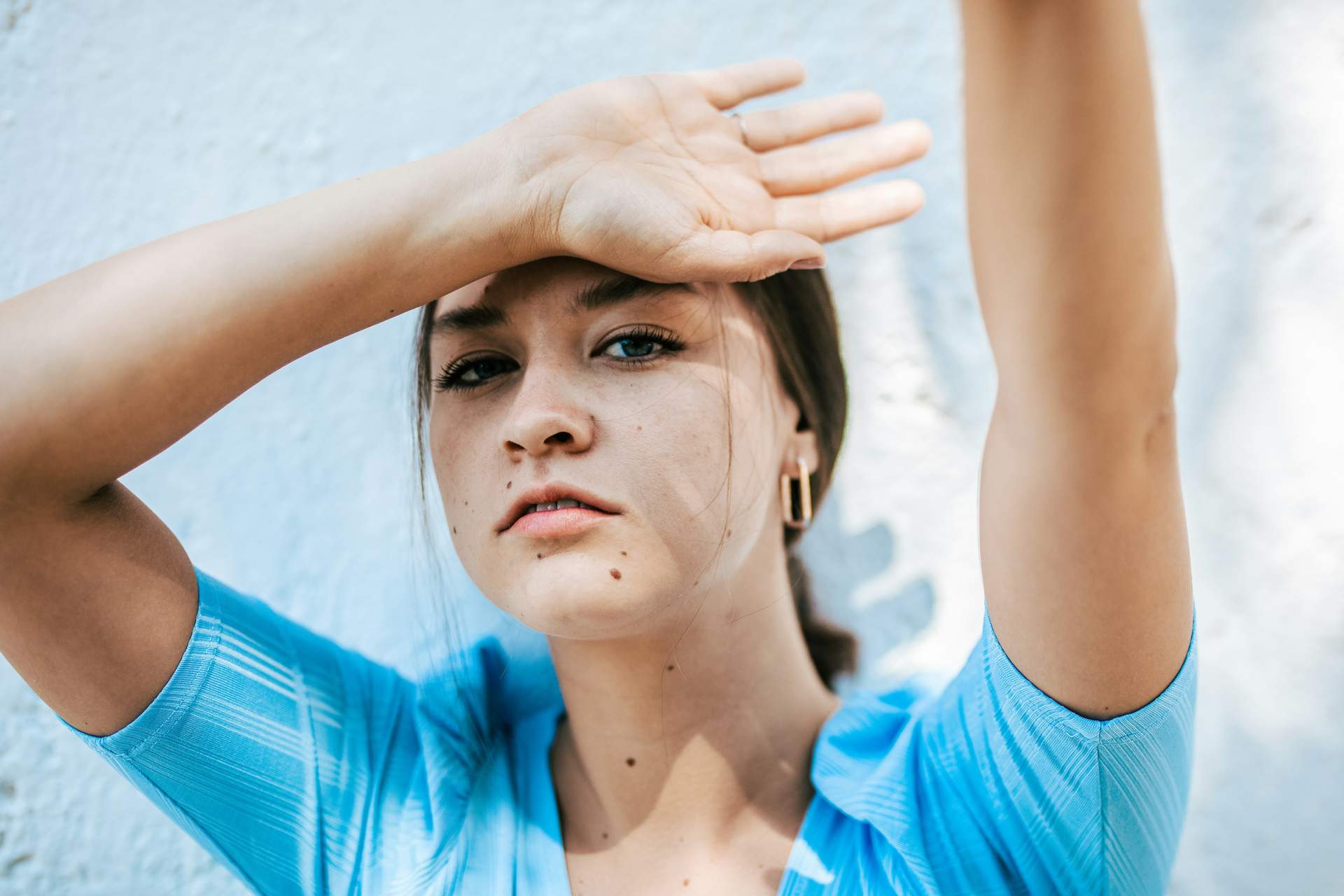
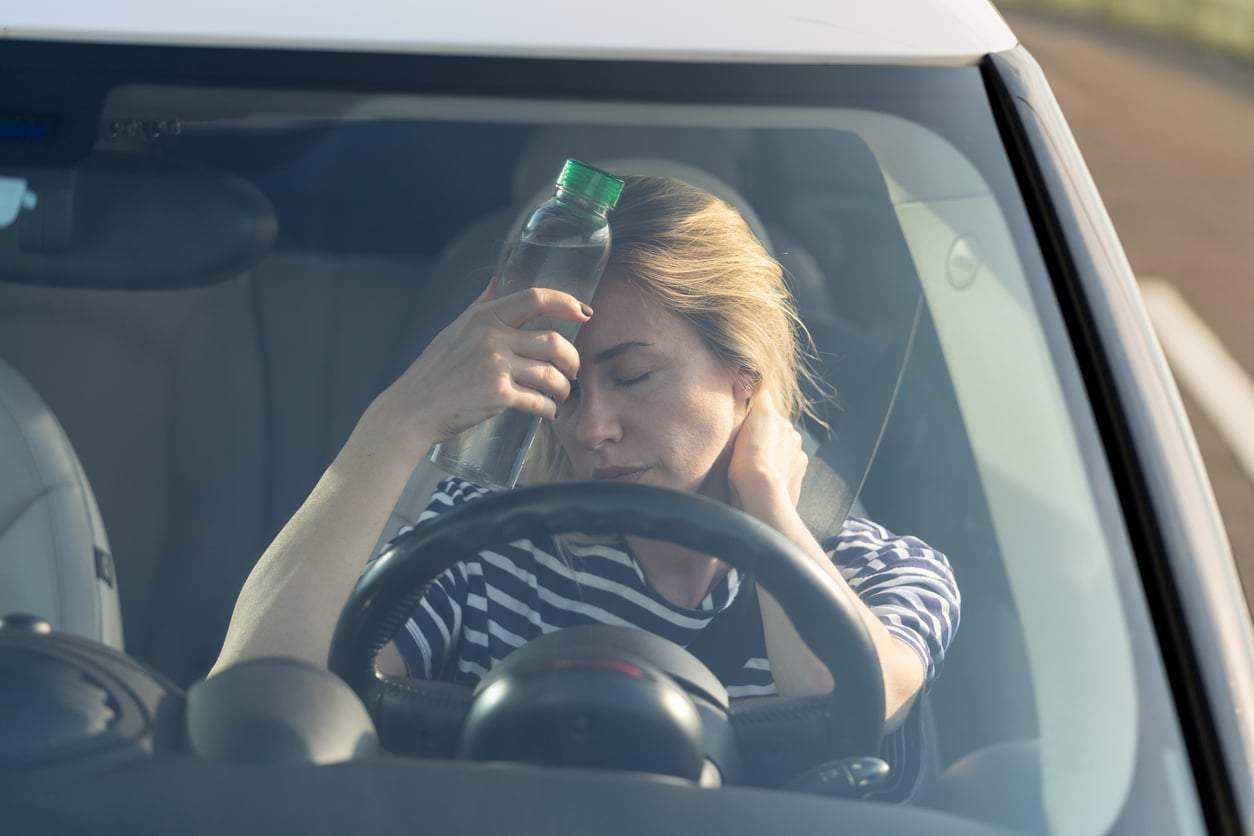
To understand why timing is so important, it helps to know what's happening inside you when you exercise in high temperatures. Your body's cooling system goes into overdrive — which means your muscles receive less blood and oxygen, while your heart rate climbs higher than it normally would for the same effort. The result? You fatigue faster, and the risk of heat exhaustion and dehydration rises significantly.
Dehydration is especially sneaky in summer, because thirst often kicks in too late. By the time you feel like you need water, your body is already running low. Make a habit of drinking water before, during, and after your workout — even if you don't feel thirsty.
Midday: just skip it
Between 10 a.m. and 4 p.m., solar intensity and air temperature hit their combined peak. This window is simply not the time for outdoor training — especially if you're planning a run, a bike ride, or any sustained cardio effort.
If you genuinely have no other option, stick to shaded routes, wear light and breathable clothing, and cut your session short. A brisk walk in the shade beats a long run in direct sunlight every single time.
Evening works too
If mornings don't fit your schedule, evening is a solid alternative.
After 6 p.m., temperatures typically start to drop, UV radiation is no longer a concern, and many people actually feel physically at their best during this window.
Evening workouts have another perk: they're a powerful way to decompress after a stressful workday. Running or cycling at dusk can feel almost meditative — a natural reset before the night begins.
The one caveat: an intense evening session can leave your body too wired to wind down easily, making it harder to fall asleep. If you're sensitive to this, aim to finish your workout at least two hours before bed.
Rules that apply no matter when you train
Regardless of the time you choose, a few basics should never be skipped. Always wear sunscreen — even on overcast days. A cap and sunglasses aren't optional extras; they're essential gear.
Most importantly, listen to your body. If you feel dizzy, nauseous, or unusually weak, stop immediately, find shade, and drink water. Summer isn't the season to push through warning signs.
The bottom line? Getting outside and moving is one of the best things you can do this summer. But when you do it can make all the difference — between a workout that energizes you and one that leaves you flat on the couch.