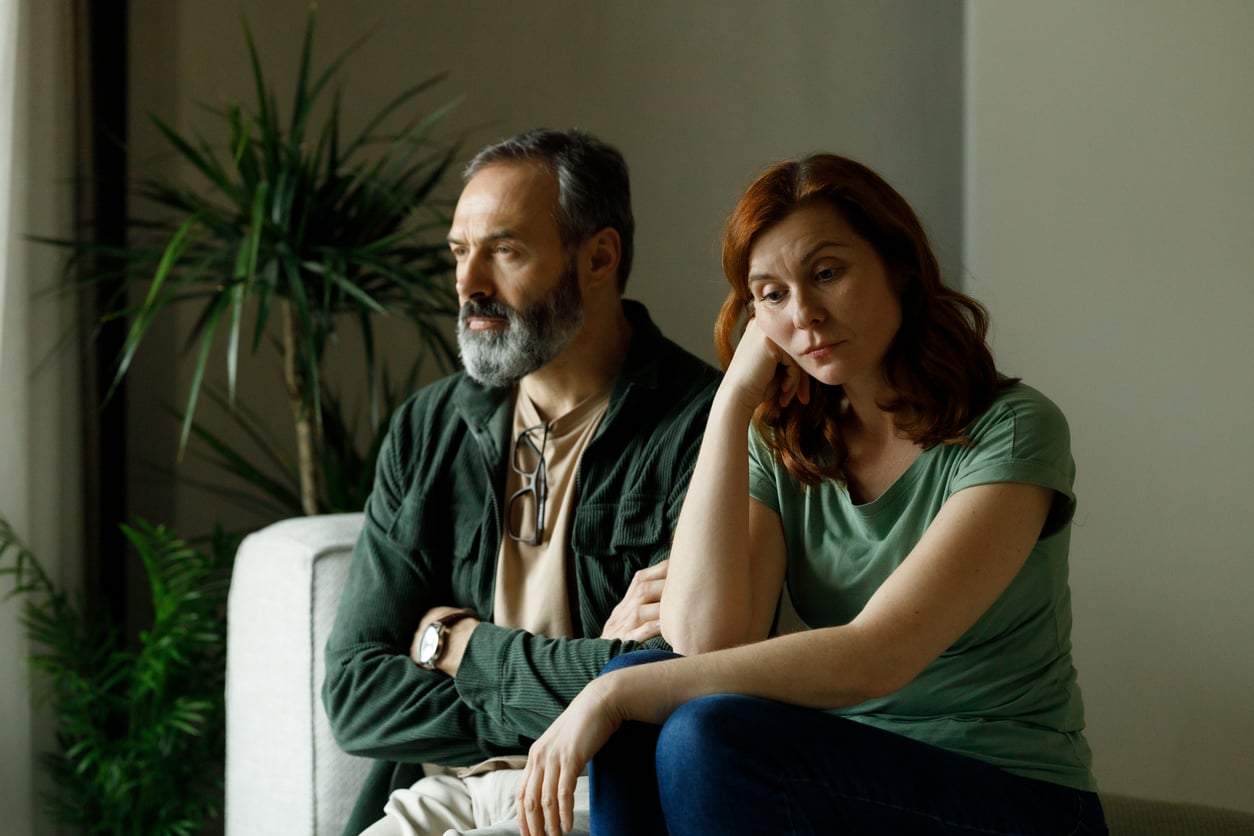
A new relationship "test" has been quietly taking over TikTok — and it's surprisingly simple. It's called the chair theory, and the idea behind it is almost disarmingly straightforward: if someone truly cares about you, they'll pull up a chair for you without being asked. They notice what you need before you say a word. If they don't? Well, maybe they're not as invested as you thought.
In the videos flooding the platform, one partner deliberately puts themselves in a situation where they need somewhere to sit — and then waits. No hints, no requests. The test is simple: does their partner notice and pull up a chair, or not?
The result feels immediate and clear: whoever pulls up the chair is attentive and caring. Whoever doesn't, can't really be counted on.
On the surface, this hits something real. Most of us quietly long to be seen — to have someone notice when we're tired, overwhelmed, or struggling, without having to spell it out. The chair theory taps directly into that emotional need: the desire to feel like you genuinely have a place in someone's life.
Psychology says it's far more complicated than that
Here's where things get nuanced. The chair theory reduces care and love to a single gesture — one moment, one action, one verdict. But real relationships don't work that way, and drawing sweeping conclusions from a single situation is something therapists and psychologists consistently warn against.
Tests like this can offer one tiny piece of information at best. On their own, they are nowhere near enough to judge the health of a relationship.
The same behaviour can also mean completely different things depending on the person. Maybe your partner didn't pull up the chair because they were distracted, exhausted, or simply never grew up in an environment where that kind of gesture was modelled. And on the flip side, someone can be consistently polite and attentive in small ways while still being emotionally absent where it truly counts. A single gesture proves nothing on its own.
What psychologists and couples therapists actually point to as meaningful is something called attunement — the ongoing ability to sense your partner's emotional state and respond to it over time. What matters in a healthy relationship isn't whether someone does the right thing in one particular moment, but whether they consistently show up with care, presence, and awareness across the full arc of the relationship.
Why the trend feels so appealing — and where it goes wrong
It's not hard to understand why the chair theory resonates. We live in an era of half-defined relationships, mixed signals, and emotional ambiguity. When things feel uncertain, simple answers become deeply attractive: one sign, one test, one moment that tells you everything you need to know.
But that kind of thinking carries a real risk. When you're constantly scanning every interaction to see whether your partner is "passing" some invisible test, you stop being present in the relationship and start auditing it. Over time, that erodes trust — which is the very thing you were trying to measure in the first place.
A relationship doesn't feel safe because your partner always guesses your thoughts correctly. It feels safe because you can communicate openly and respond to each other's needs — even when that takes a conversation.
There's another blind spot worth naming: the chair theory assumes care looks the same for everyone. But people express love in genuinely different ways. Some show it through small everyday gestures, others through reliability, emotional presence, or taking responsibility when things get hard. If you only accept one specific type of behaviour as proof of love, you risk misreading a relationship that is actually working — just not in the exact shape you expected.
The chair theory makes for a compelling TikTok moment. But a relationship is not a test you pass or fail in thirty seconds. It's built — slowly, consistently, and through real communication — over time.