A non-stick pan is like a good best friend: if you take care of it, it sticks around for years, but neglect it, and it’ll let you down sooner than you think. We love them for a reason – you barely need oil or fat to cook, food slides right off, and cleanup is a breeze. That is, if you avoid a few classic mistakes that can quickly ruin the coating. No worries if you’ve been tossing them in the dishwasher – lots of people do. But trust me, making a change now can add years to your favorite pan’s life.
Why You Shouldn’t Use the Dishwasher
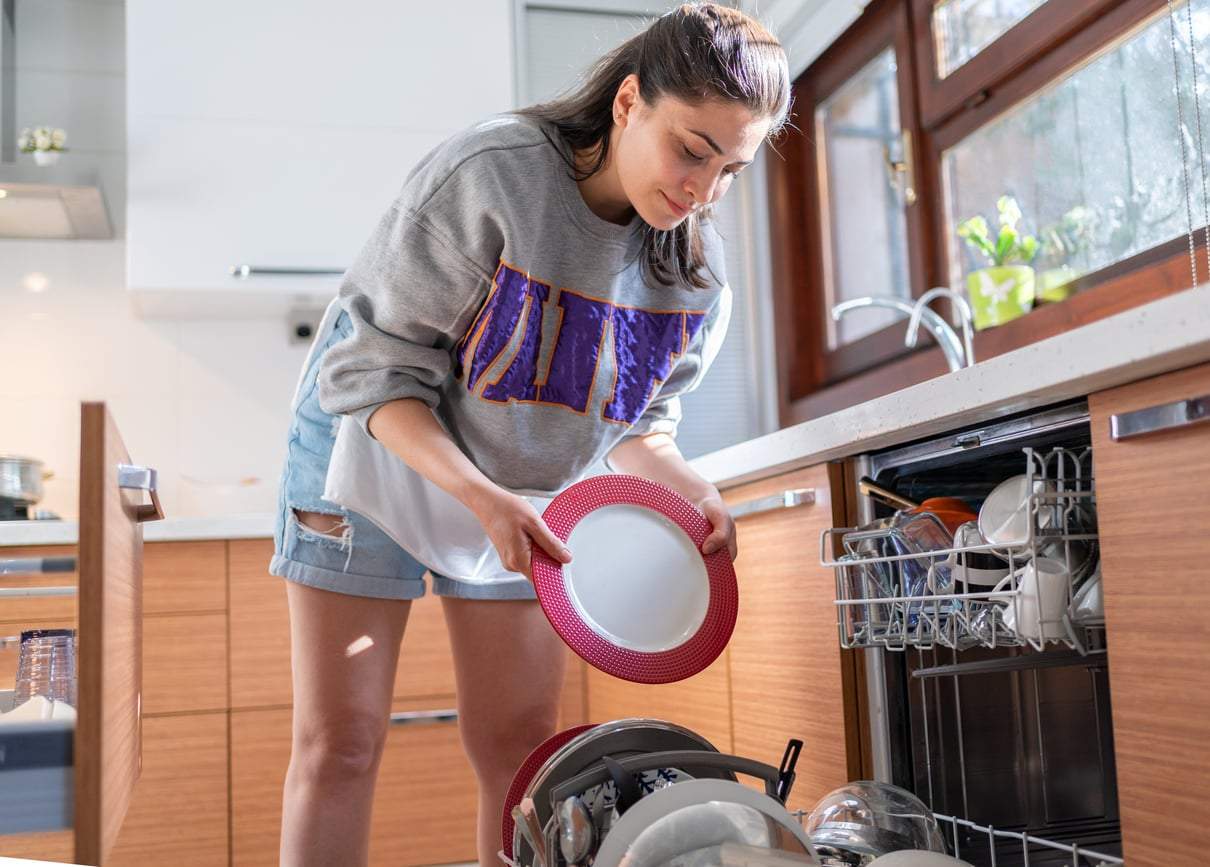
The dishwasher is the biggest enemy of non-stick coatings. It’s not just the harsh chemicals slowly eating away the surface, but also the hot water and high pressure “attack.” And if you’re guilty of overloading the machine (who isn’t sometimes?), other dishes and utensils can easily scratch your pan. Even one dishwasher cycle can start peeling the coating at the edges, and regular machine washing will age your pan like ten years in just a week.
How to Hand Wash Like a Pro
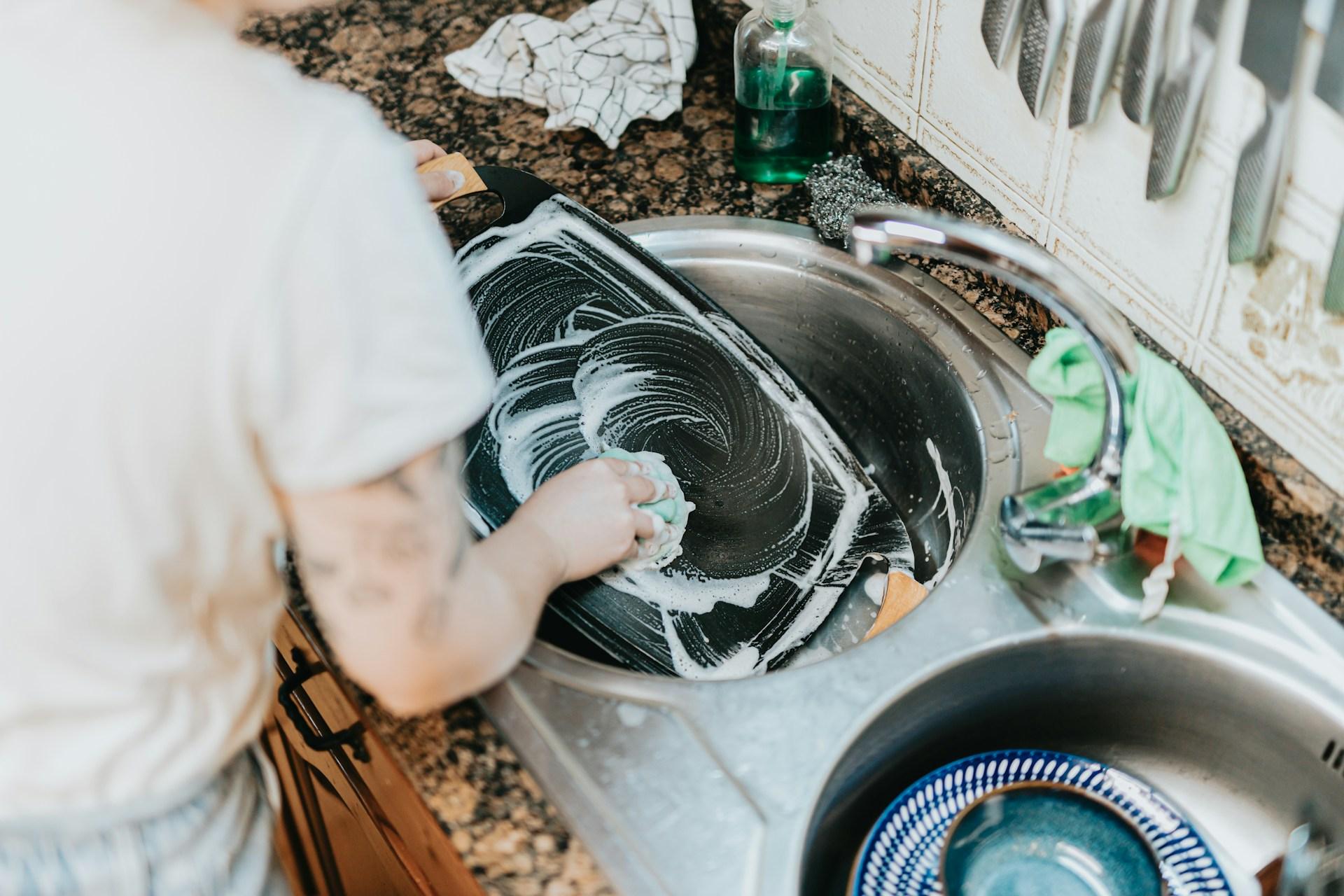
Don’t pour cold water on it right away—wait until it cools down properly. Then, simply wash with warm water and dish soap. Use a soft sponge, not a scrubber, as the latter can damage the coating. For stubborn stains, soak the pan for 15–20 minutes in warm, soapy water. If that’s not enough, sprinkle some baking soda on a damp sponge and gently scrub. This gentle scrubbing works wonders. Let it air dry or wipe with a microfiber cloth. When completely dry, the edges won’t rust.
When to Replace It
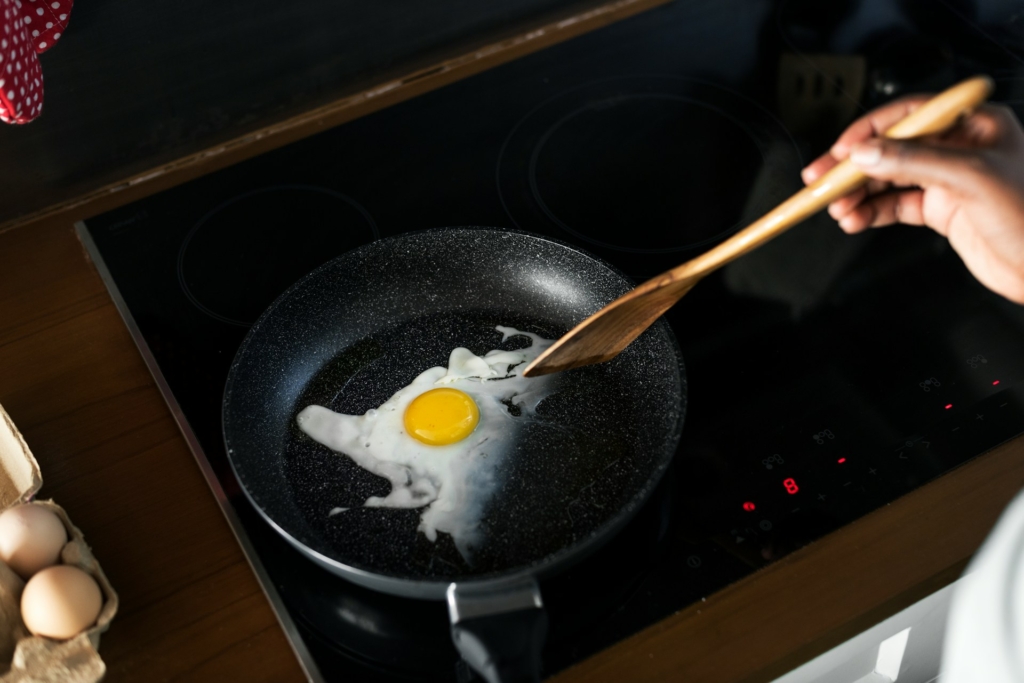
No matter how much we love them, non-stick pans aren’t forever. With regular use, plan to replace yours after about 5–6 years. But if you notice any of these signs, don’t wait that long:
- The coating starts to chip or peel.
- Deep scratches appear (these trap food and make cleaning tough).
- Food sticks no matter how much oil you add—meaning the “non-stick” feature is gone.
How to Extend Its Life
- Use wooden spoons, silicone spatulas, or plastic utensils instead of metal.
- Non-stick coatings don’t like high heat. Cook on medium or low flame; your food will still turn out great.
- If you stack pans, always place paper towels or kitchen cloths between them to avoid scratches.
- Forget harsh chemicals and abrasive sponges—they’ll wreck the coating in no time.
Stick to these simple tips, and your pan will be your trusty kitchen companion for years. Honestly, isn’t it so much better to cook without stressing over sticky leftovers, knowing everything slides right onto your plate?