
For years, I thought back pain was just an annoying but manageable side effect of sitting at work. Something you could literally rub away with a cream, rest off over a weekend, or put off taking seriously until absolutely necessary.
Then, when creams, gentle stretching, and "sitting less today" didn’t help, everything fell apart. I’d had my back lock up twice before—once on vacation, fixed with two days of rest and anti-inflammatories. Another time, about six years ago, I needed injections just to move and spent a week in bed. I thought I’d gotten past it, just a pinched nerve, life goes on.
This time, the pain didn’t start in my lower back but in my glutes and the back of my thigh. Sitting actually hurt, so I began working standing up, stopped exercising, tried to "adapt smartly," and self-diagnosed that my sciatic nerve was the problem. I wasn’t wrong, but what I didn’t realize was that the nerve pain was just a symptom—the real cause was a sizable herniated disc.
I only asked for physical therapy when I’d truly hit rock bottom—so I was late to the game. They encouraged me that months of work could improve things, but shortly after starting therapy, my disc ruptured and I was rushed to the ER by ambulance. That led to four weeks confined to bed, a week of IV treatments, and then waiting for surgery, after which I still had to take it easy for months.

Before you think this is an "old person’s problem" like I did, my hospital roommate was 26 and didn’t even have a desk job. They said he was the youngest patient, but they regularly operate on teenagers too. That’s when it hit me:
Earlier and earlier herniated discs are a very real societal issue.
The "work hero" doesn’t win in the long run
Looking back, I see clearly where I went wrong: too much screen time, too little real recovery, and even less targeted muscle strengthening. Core muscles aren’t just about looks—the abs and back muscles support your spine, and when they weaken from sitting (or anything else), the vertebrae and discs bear the full load.
Though I tried to move during work—breaking up home office days with cooking, laundry, and short breaks—it wasn’t enough. It all started with an old ankle injury that silently caused me to adopt poor posture, confirmed by spine scans. It’s clear now that if I’d gotten an MRI and started physical therapy after the first pinched nerve, I probably wouldn’t have ended up here.
My biggest mistake was thinking I had to do it all alone. When I spent months mostly lying down and feeling completely vulnerable, I realized the family didn’t fall apart without me. Everyone stepped up, held down the fort, and my daughter proved far more independent than I’d thought. This not only strengthened our family bond but shifted something inside me.
What I learned about my body after surgery
After surgery, my relationship with work and my body changed completely. I realized it’s not the most expensive chair that matters, but not spending all day in one position. I already use a rehab coordination cushion, and even though I’m well past surgery, I still spend a lot of time lying on my side with a pillow between my knees. I also made a conscious choice to change my work postures: I work not just sitting but standing and lying down too.
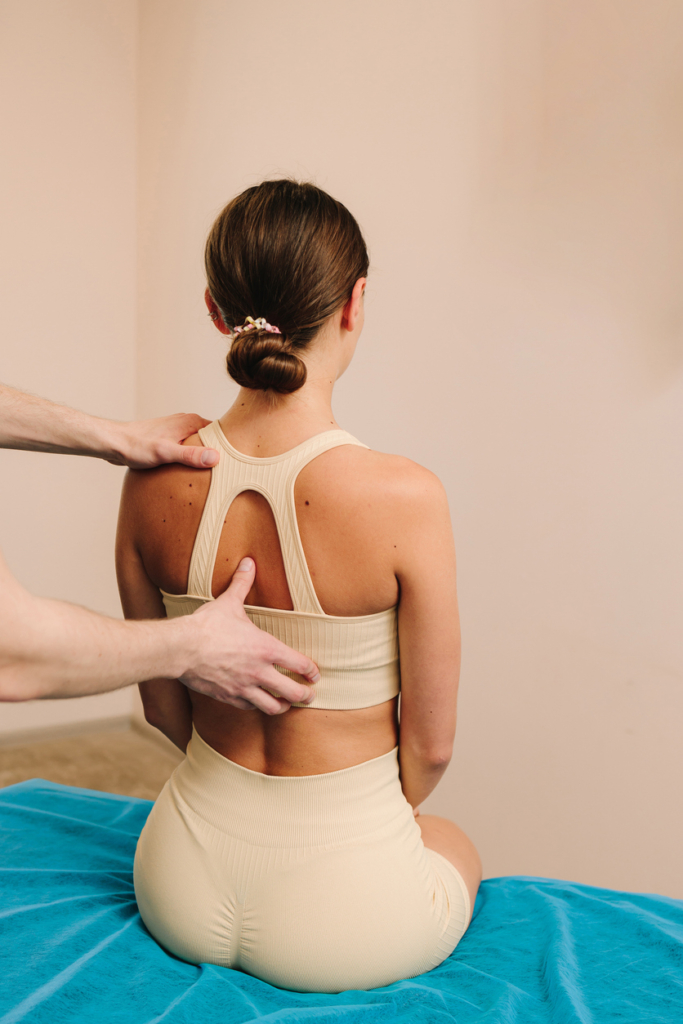
Physical therapy became part of my daily routine. Not because I "have to," but because I feel how much it helps. Thirty to forty-five minutes total, easy to do in front of the TV or while listening to an audiobook, and afterwards I feel like a new person. I also attend individual sessions three to five times a week as part of rehab, aiming to finish recovery with strengthening and maintenance exercises I can keep up for life to protect my spine.
I’ve long let go of intense workouts. Not because I didn’t want to keep going, but because I accepted that our bodies change and we need to adapt. For now, I enjoy home workouts, walks, and everyday movement. These become priceless when you can’t even walk for weeks! If I ever return to the gym, it will be very deliberately, with a personal trainer, always listening to my body.
What you should take to heart before it’s too late
The biggest lesson for me was that pain isn’t the enemy, it’s a signal. If your back hurts, it’s not weakness—it’s a cry for help. Few realize that disc hydration is crucial, and drinking water isn’t just a "good habit," it’s essential for musculoskeletal health.
We take our cars to the shop at the first warning light, yet somehow we wait until our bodies completely break down.
After surgery, I know for sure: prevention isn’t expensive—whether it’s time, money, or extra care. The real cost is pain, vulnerability, lost time, and the long rehab no one can avoid.