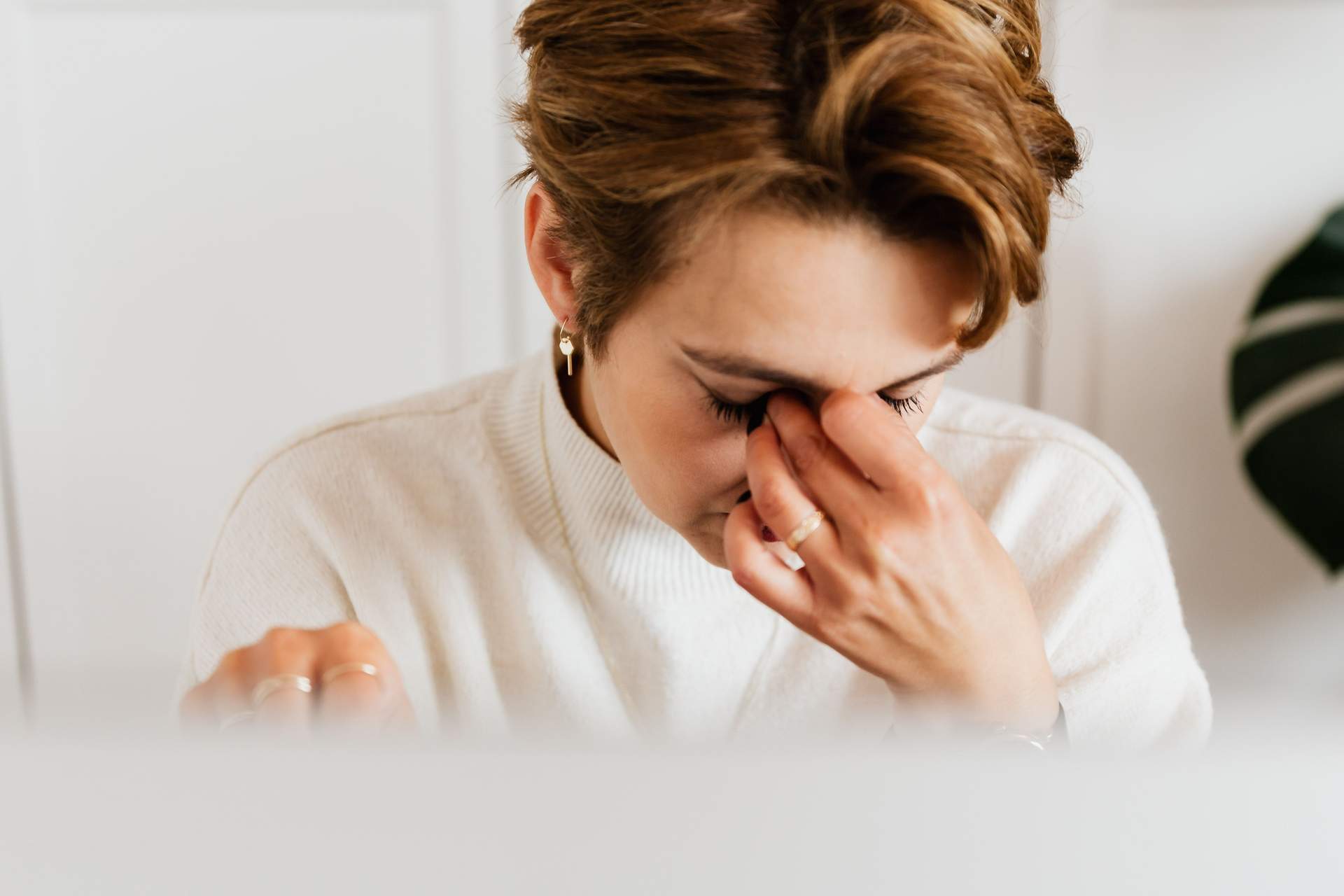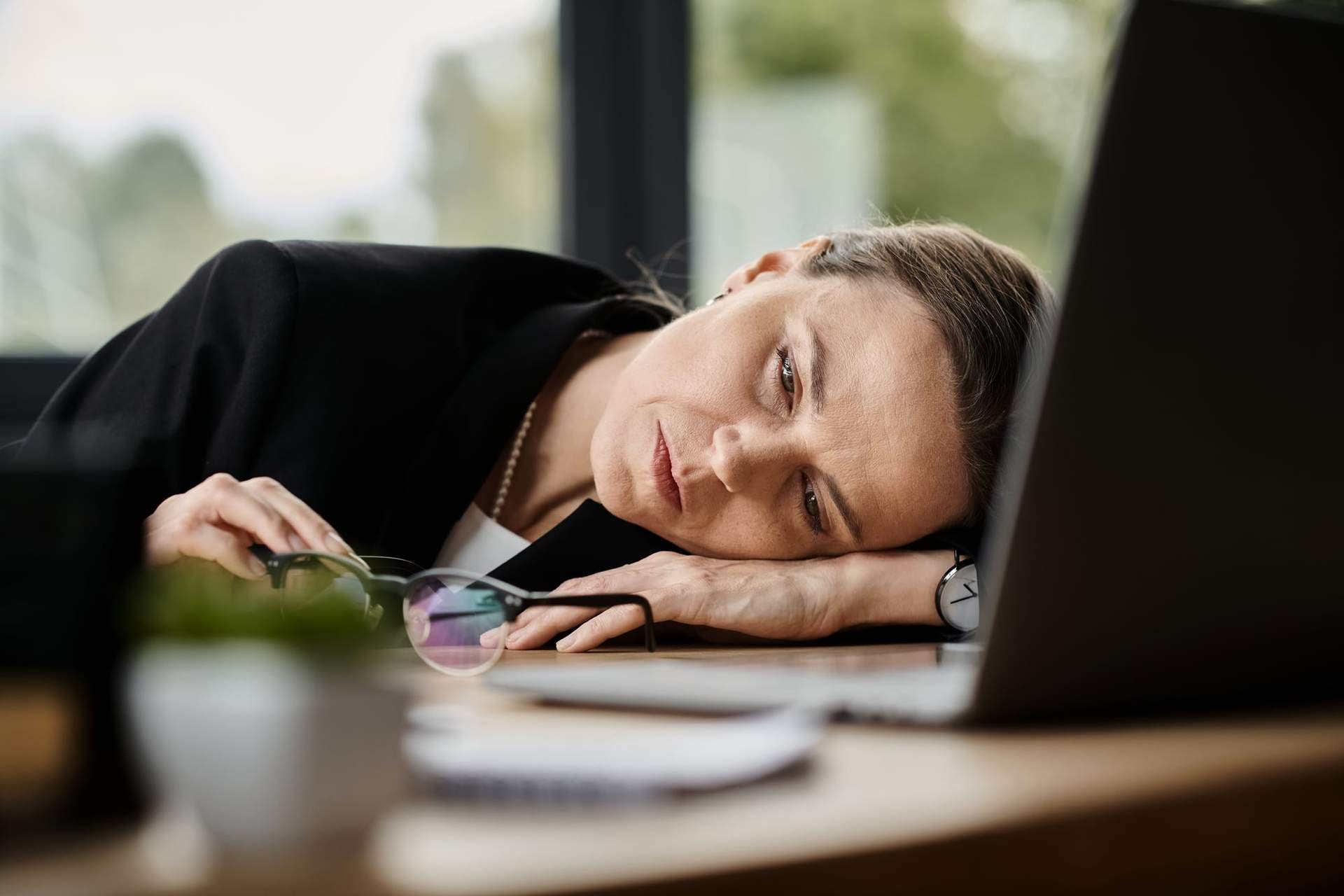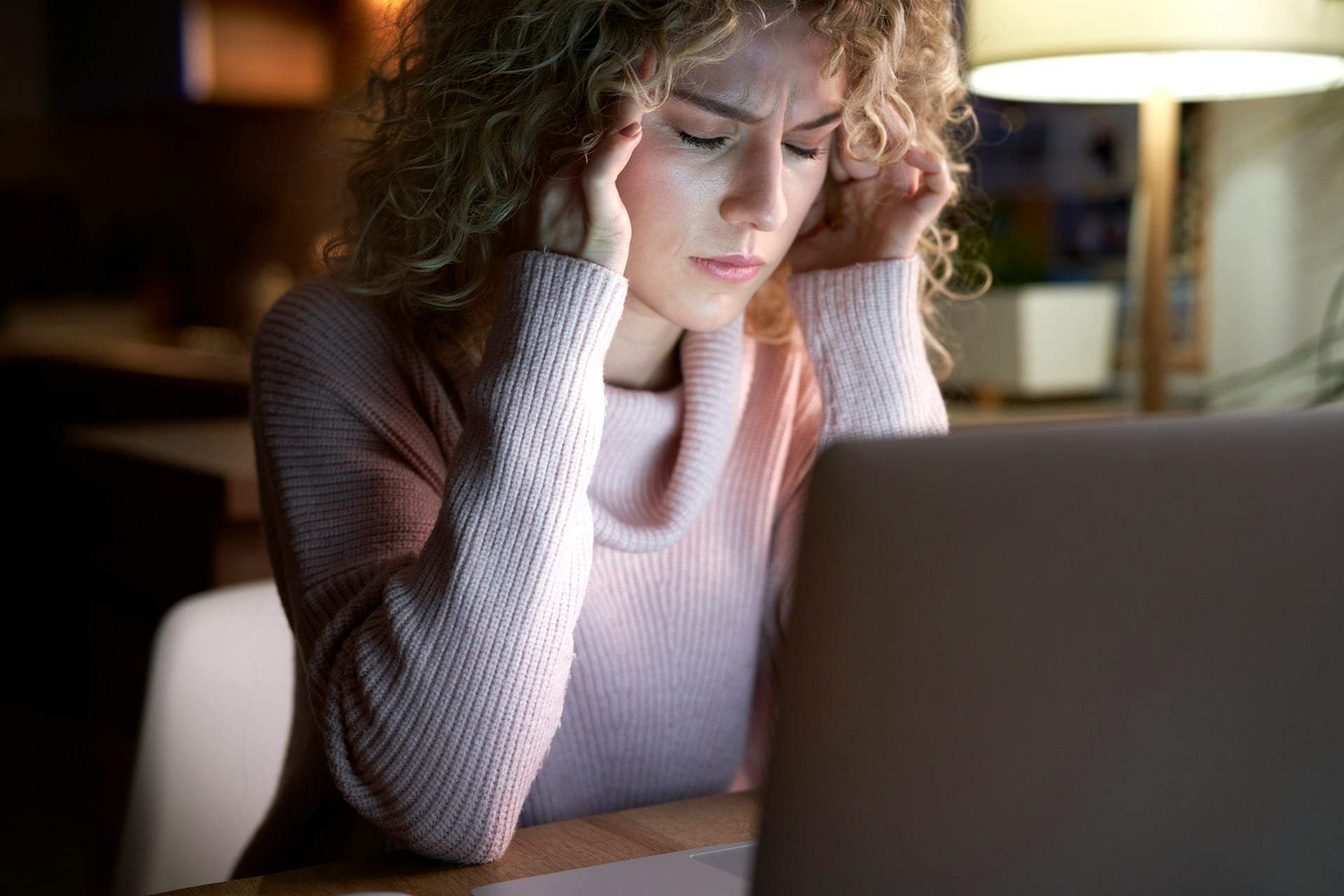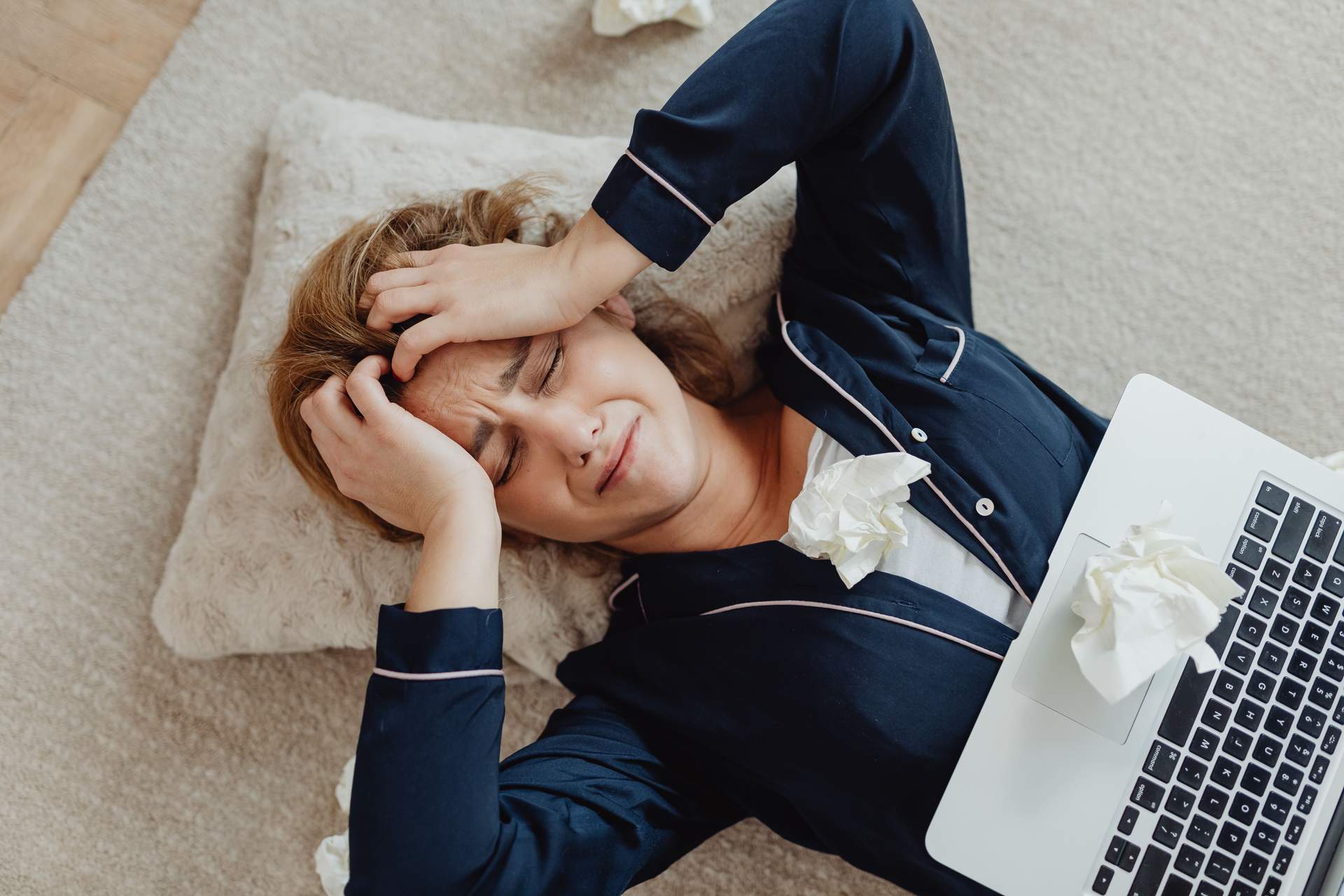
"Female fatigue" syndrome refers to a unique blend of physical, emotional, and mental exhaustion commonly experienced by women balancing multiple roles. Although the term might suggest it affects only women, the reality is more complex, with societal expectations and everyday responsibilities placing greater strain on them. This article aims to explore this condition thoroughly—highlighting its causes, symptoms, and possible solutions.
What Exactly Is "Female Fatigue" Syndrome?
"Female fatigue" syndrome isn’t a medical diagnosis but rather a complex state combining physical, emotional, and mental exhaustion. It’s especially common among women who juggle multiple roles simultaneously—like work performance, family expectations, household duties, and social commitments. Given this, it’s no surprise many women feel constant tiredness, low energy, and heightened stress.
Signals from Our Mind and Body: Symptoms Women Often Experience
The most common symptom is persistent fatigue that sleep or rest alone can’t fix. Along with physical exhaustion, many face reduced performance, trouble concentrating, irritability, and mood swings. Chronic stress may also lead to anxiety, sleep problems, or physical issues like headaches, muscle pain, and digestive troubles.

Emotional Factors and Social Pressure
The constant pressure to excel in every area can take a toll on women’s mental health. Unspoken societal and cultural expectations often demand women be both successful professionals and exemplary mothers, creating a heavy emotional burden. This perfectionism fuels anxiety as women feel compelled to meet others’ needs and expectations above all else.
How to Recognize It and What You Can Do
The key is recognizing your limits and not hesitating to ask for help when needed. Remember, rest and self-care aren’t luxuries—they’re essentials. Breaking free from daily routines, even for a short walk, can clear your mind and recharge your spirit.
Stress relief techniques like yoga, meditation, or breathing exercises can ease tension. Supporting a healthy lifestyle with balanced nutrition, regular exercise, and good sleep habits also lays a strong foundation.
Family and community support play a vital role in fighting "female fatigue" syndrome. Women should feel empowered to seek help from their loved ones and share daily responsibilities, lightening the load.
Finding life balance is essential—whether it’s between work and personal time or dedicating moments to activities that truly bring joy. Honest self-reflection and open communication with yourself and others help you focus on your own happiness.
Last but not least, women supporting each other through shared experiences and emotional encouragement can make all the difference. Remember, none of us face these challenges alone—we’re all in this together.