Stiff, formal gardens with their perfectly trimmed hedges and geometric flower beds are quietly losing their appeal. What landscape designers are reaching for instead in 2026 is something that feels wilder, warmer, and far more alive — the layered naturalistic garden style. It looks like nature did the work. In reality, it takes a little planning and a lot of intention.
What is the layered garden style?
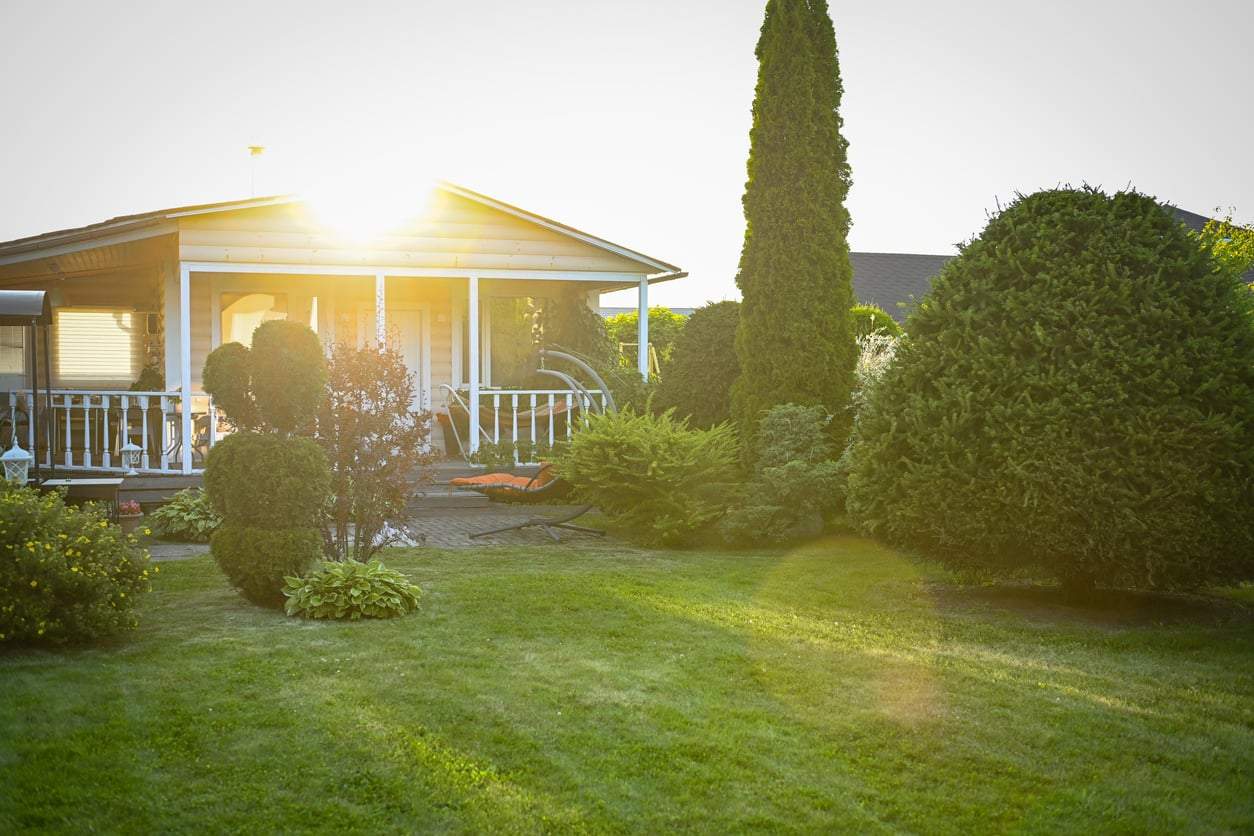
The idea is simple: instead of planting in neat rows or symmetrical patterns, you design your garden the way nature would — with different heights, textures, and plant types growing in harmony. Tall shrubs and trees form the backdrop, mid-height plants fill in the structure, and low-growing or shade-tolerant species carpet the ground beneath.
The result looks like it has been quietly evolving for years. That's exactly the point. Combining plants of different heights and textures is what gives this style its sense of depth and authenticity — something a flat, uniform planting scheme simply can't replicate.
Why this style is more than just beautiful
One of the biggest advantages of a layered garden goes beyond aesthetics. When plants grow in overlapping levels, they create a miniature ecosystem that supports biodiversity in a way that traditional gardens rarely do.
Each layer provides habitat for different insects, birds, and small animals — turning your garden into a living, functioning system rather than just a decorative space.
This matters especially now, when pollinators and garden wildlife are under increasing pressure. A layered garden doesn't just look good — it actively does good.
How to create a layered garden
You don't need to redesign everything at once. The layered approach works best when it's built up gradually, starting with the tallest elements and working down:
- Begin with taller plants, trees, and shrubs in the sunniest spots — these form the structural backbone of your garden.
- Add mid-height plants to fill in around them and create visual flow between the layers.
- Finally, introduce low-growing and shade-tolerant species at ground level to complete the picture.
Pay attention to colour harmony and staggered bloom times so the garden stays interesting across every season — not just in spring.
Inspiration from around the world
The layered style draws from several rich gardening traditions. Japanese gardens offer a masterclass in natural harmony and quiet restraint, where every element feels considered but never forced. English cottage gardens, on the other hand, celebrate the beautiful tension between order and wildness — structured enough to feel intentional, loose enough to feel free.
Both traditions share the same underlying philosophy: let nature lead, and guide it gently.
Practical tips before you start
Before you dig, take stock of what you're working with. Soil type, light conditions, and local climate all shape which plants will thrive in each layer. Choosing the wrong plant for the wrong spot is the most common reason layered gardens fail to deliver on their promise.
Most importantly — be patient. The naturalistic look doesn't happen overnight. It builds over seasons, as plants establish, spread, and find their own balance. That gradual unfolding is part of what makes it so rewarding.
The layered garden style isn't just a trend. It's a shift in how we think about outdoor space — away from control and towards collaboration with nature. And in 2026, that feels like exactly the right direction.