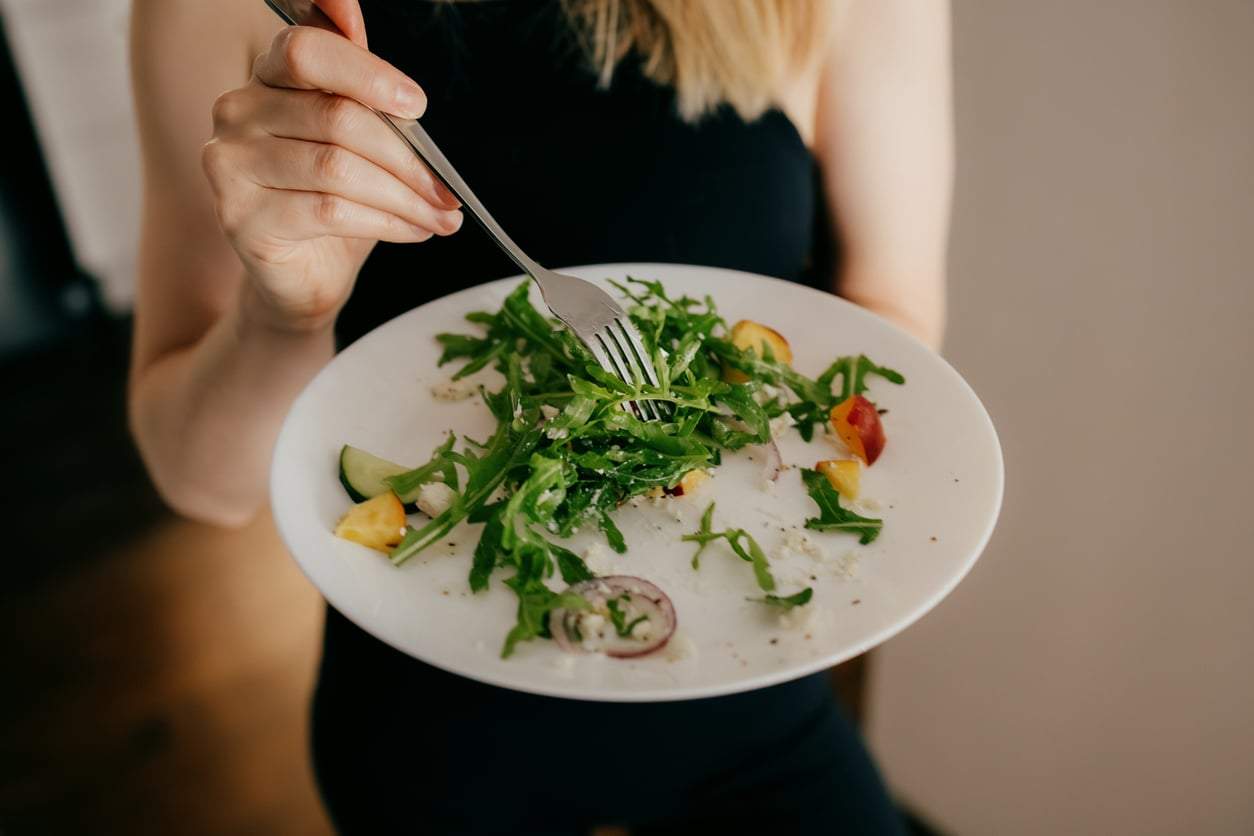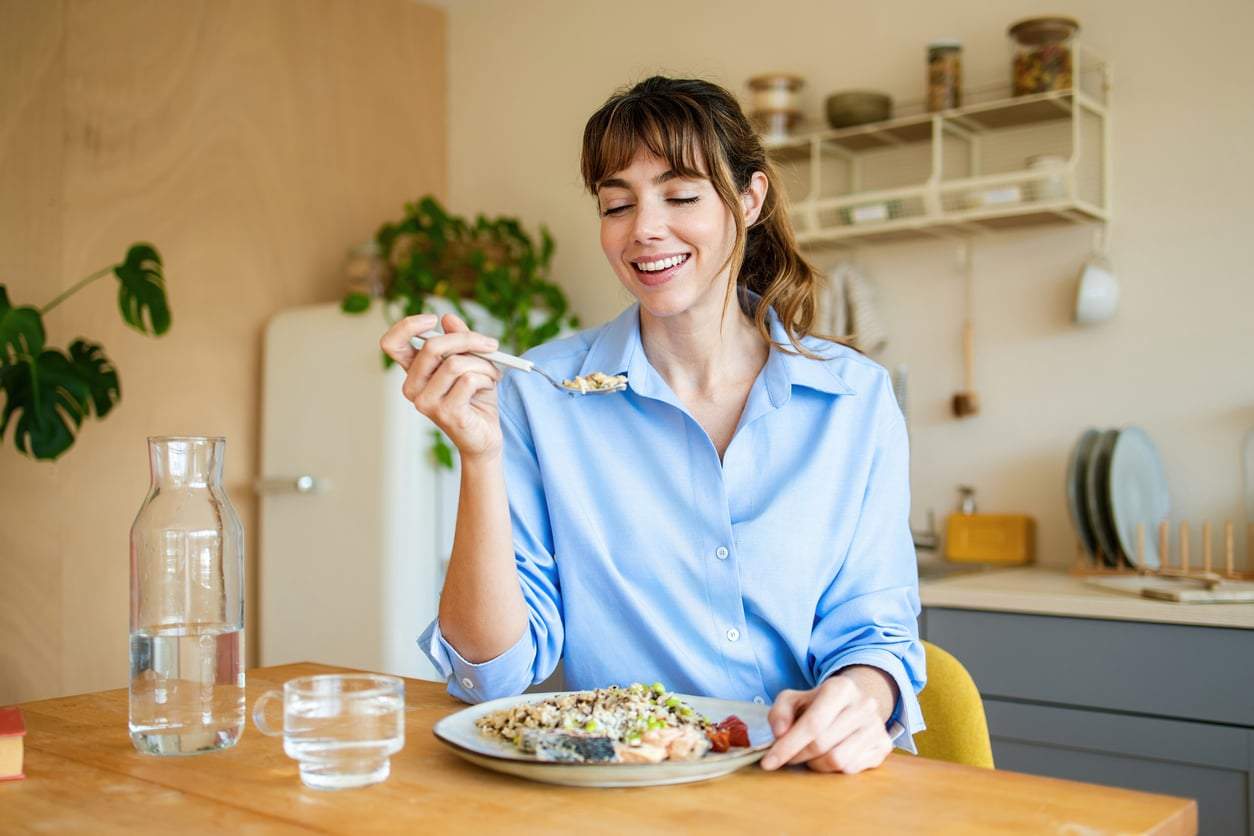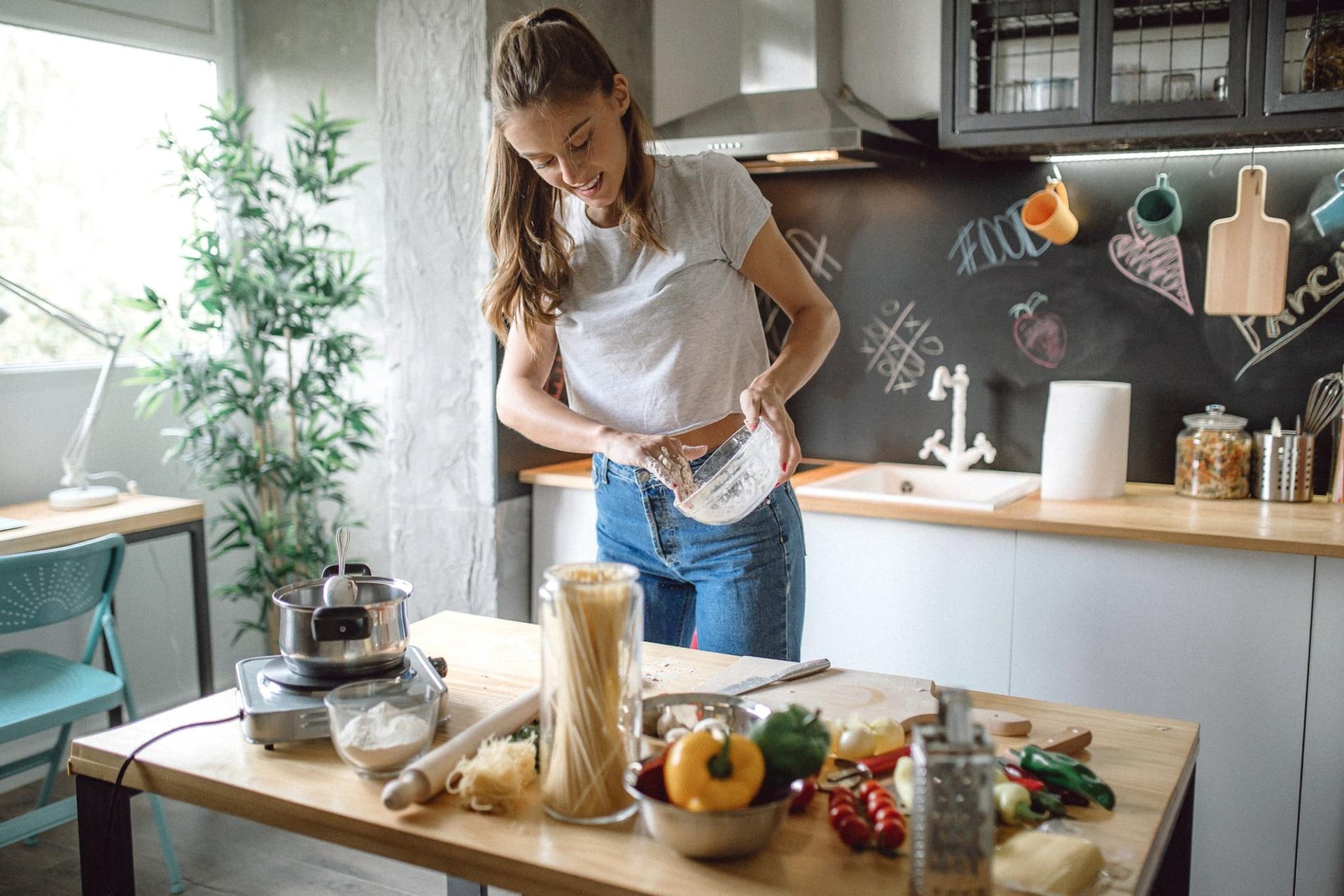
Most of us think of cooking as something we have to do rather than something we get to do. But what if that shift in perspective could genuinely change your mental health, your relationship with food, and even your patience? We sat down with gastro-psychologist Fruzsina Czecz to explore the surprising psychological benefits of spending time in the kitchen.
Can cooking actually be a form of therapy?
According to Czecz, the answer is yes — and in more ways than one. "When we're healthy, cooking gives us a productive outlet for stress. It's active, visible work with a satisfying result," she explains. "And when someone genuinely needs to heal, cooking can be a powerful complement to more formal therapy."
Through cooking, we experience both the joy of creating something and the warmth of caring for others — or ourselves. But perhaps the most compelling argument comes from science. The "gut-brain axis" is receiving growing attention in research circles, and the evidence is mounting that what we eat has a direct impact on our mental wellbeing. Recent studies have shown promising results linking diet to the prevention of depression and the reduction of existing symptoms.
What if you feel like you simply don't have the time?
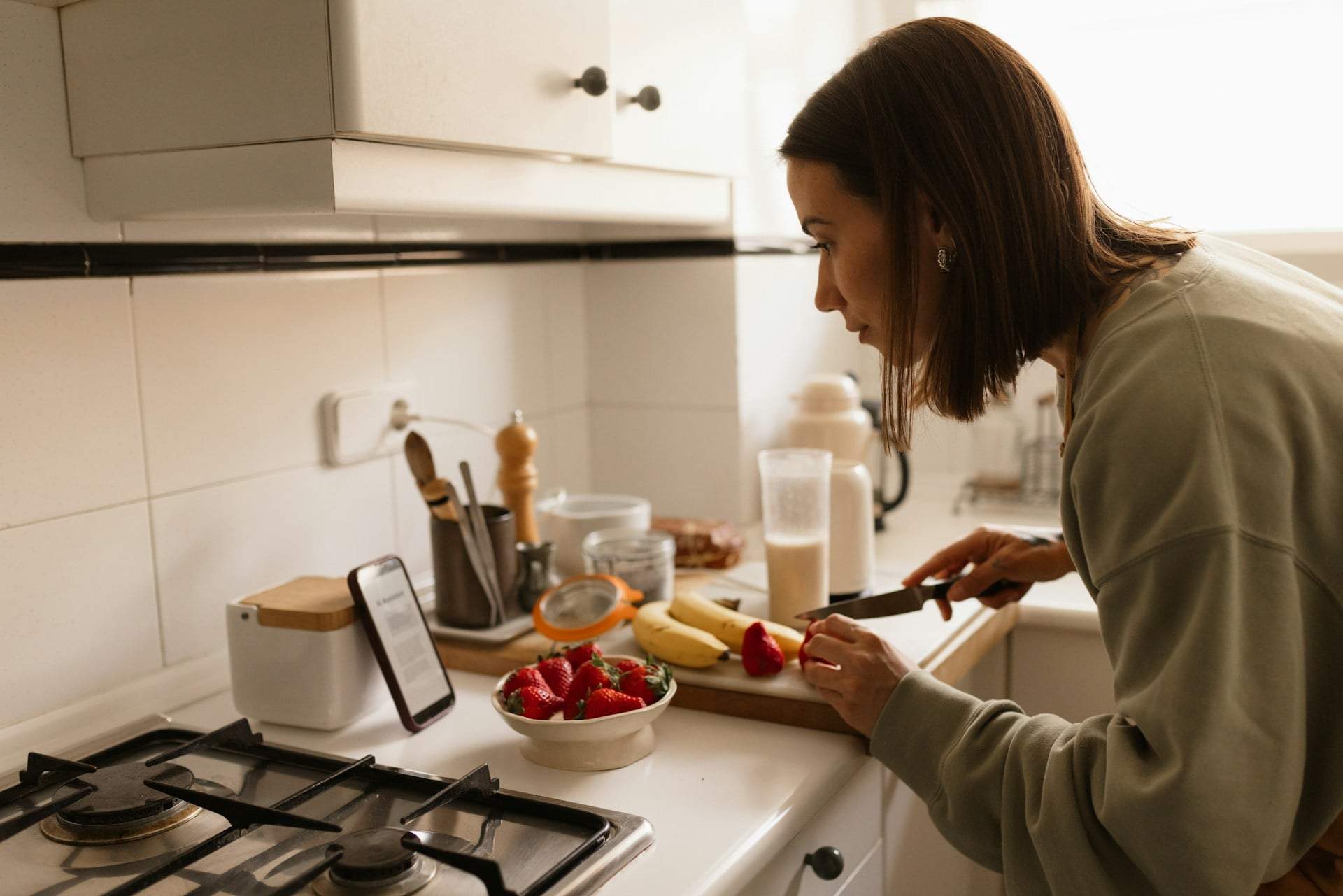
This is one of the most common barriers — and Czecz is refreshingly practical about it. If cooking feels like a burden, the worst thing you can do is set the bar too high. Unrealistic expectations lead to failure, which chips away at your motivation and, during more vulnerable periods, your self-esteem too.
The solution? Simplify wherever you can. There's no shortage of 5-ingredient recipes and 30-minute meals available in books and online. Low effort and speed are genuinely powerful motivators. And when you need an extra nudge, remind yourself: homemade food is one of the best things you can do for your health. You know exactly what's in it, how fresh it is, and how it was made.
How does cooking boost creativity?
When you cook, all five senses are engaged at once — colours, flavours, aromas, sounds, and textures surround you. That kind of rich sensory environment naturally puts you in a more creative state of mind.
Creativity in the kitchen doesn't only mean inventing a new dish or decorating an elaborate cake, though those things certainly spark it. It also happens in smaller moments — when you have to improvise with what's in the fridge, or make a quick decision about seasoning. Solutions appear that you wouldn't have thought of otherwise. That feeling is worth holding onto. It can carry over into other areas of your life, including work.
Can it really teach you patience?
Absolutely — and some people use it deliberately for exactly that purpose. Czecz has heard from clients who intentionally choose long, slow recipes as a kind of patience training. A slow-roasted joint of meat or a sourdough loaf simply cannot be rushed. You have to wait, and waiting — done right — becomes its own reward.
Even for those who don't approach it so consciously, patience, concentration, and focus tend to develop quietly in the background. The kitchen has a way of demanding your full attention without you even noticing.
Does it change your relationship with food?
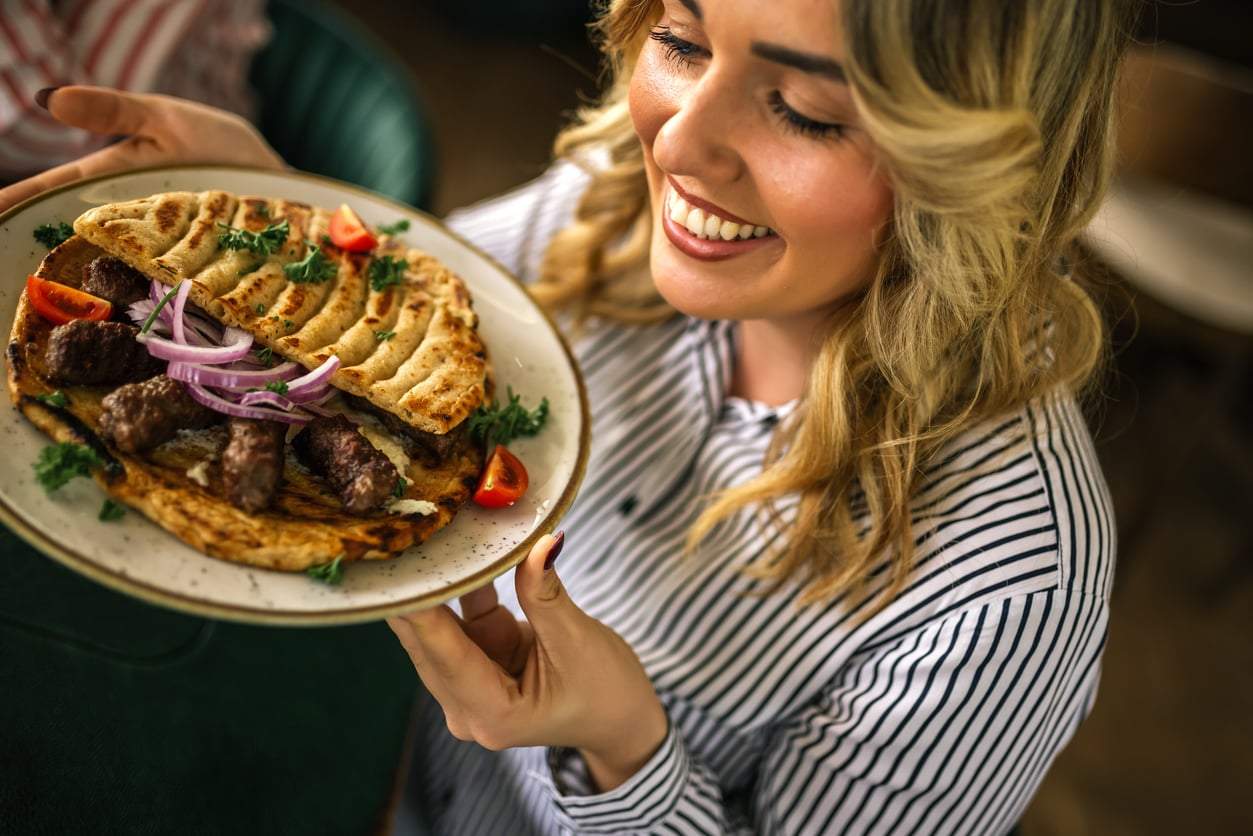
Eating brings us close to food — but cooking brings us even closer. When you're involved in the whole process, from planning and shopping to preparing and plating, you develop a real connection with what you're eating. If you're lucky enough to buy directly from a local producer, you attach a face and a story to every ingredient. You understand the journey from field to fork.
We always value things more when we've made them ourselves, and food is no different. A meal you've cooked feels more meaningful than a takeaway order, because you understand the effort behind it. That awareness can deepen a genuine sense of gratitude.
When is it worth cooking with others?
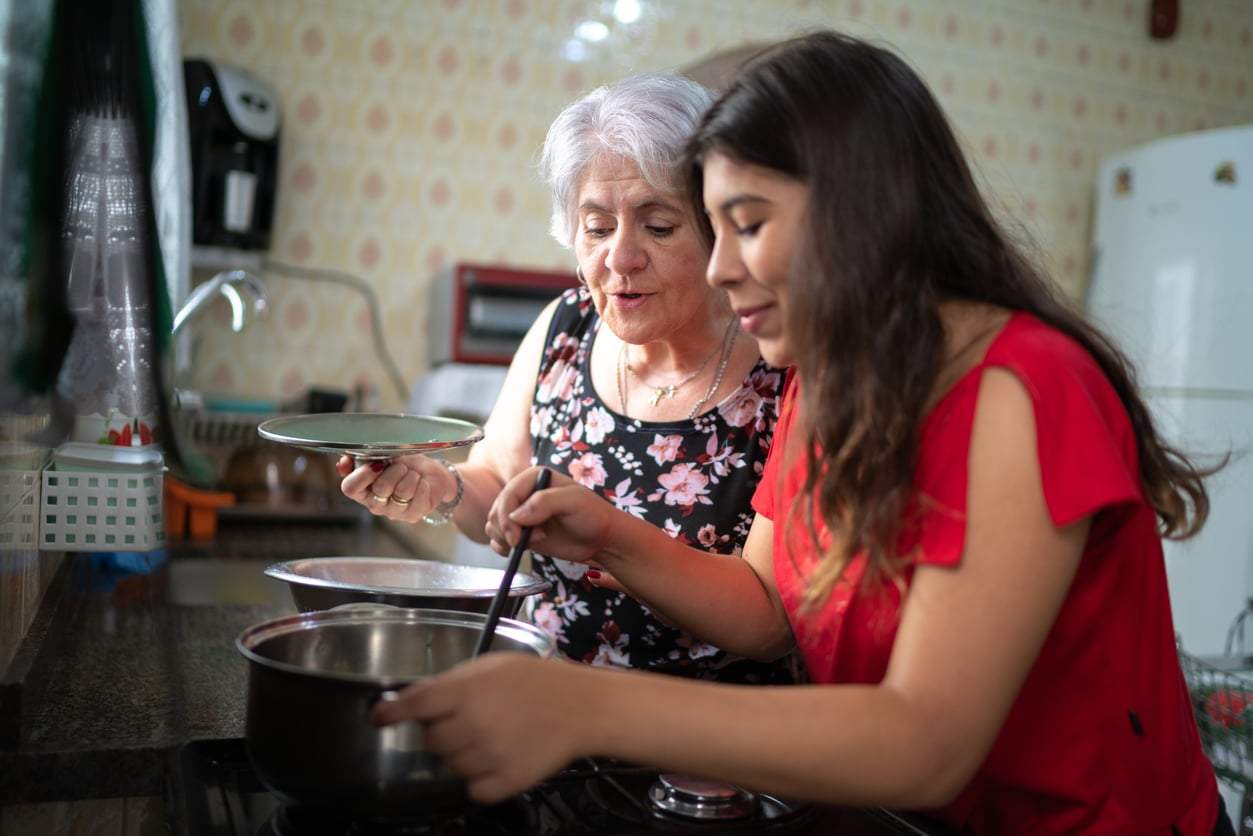
Whenever it would bring joy — to you or to someone else. Children are a great example. Yes, the meal would come together faster and more neatly without them, but if they want to be involved, nurture that enthusiasm. Give them a small task. Cooking together offers quality time and a real opportunity to learn.
For adults, a shared cooking session with friends or family can be a genuinely memorable experience. Everyone contributes something to the final result. That said, there are times when cooking alone is exactly what you need — just you, your thoughts, and the quiet rhythm of the kitchen helping you work through whatever's on your mind.
What are the longer-term benefits?
The positive effects extend well beyond the meal itself. Cooking for someone, or alongside someone, builds trust and adds new colour to a relationship. It lets you see another person — or yourself — from a fresh angle.
Cooking also encourages mindfulness and present-moment awareness in a way that feels natural rather than forced. And there's an environmental dimension worth mentioning too: processing, packaging, and transporting food consumes far more energy than growing it. A big pot of homemade soup generates almost no packaging waste. And when you get creative with leftovers, you find yourself looping right back to creativity and that deeper connection with your ingredients — which is where this whole conversation began.