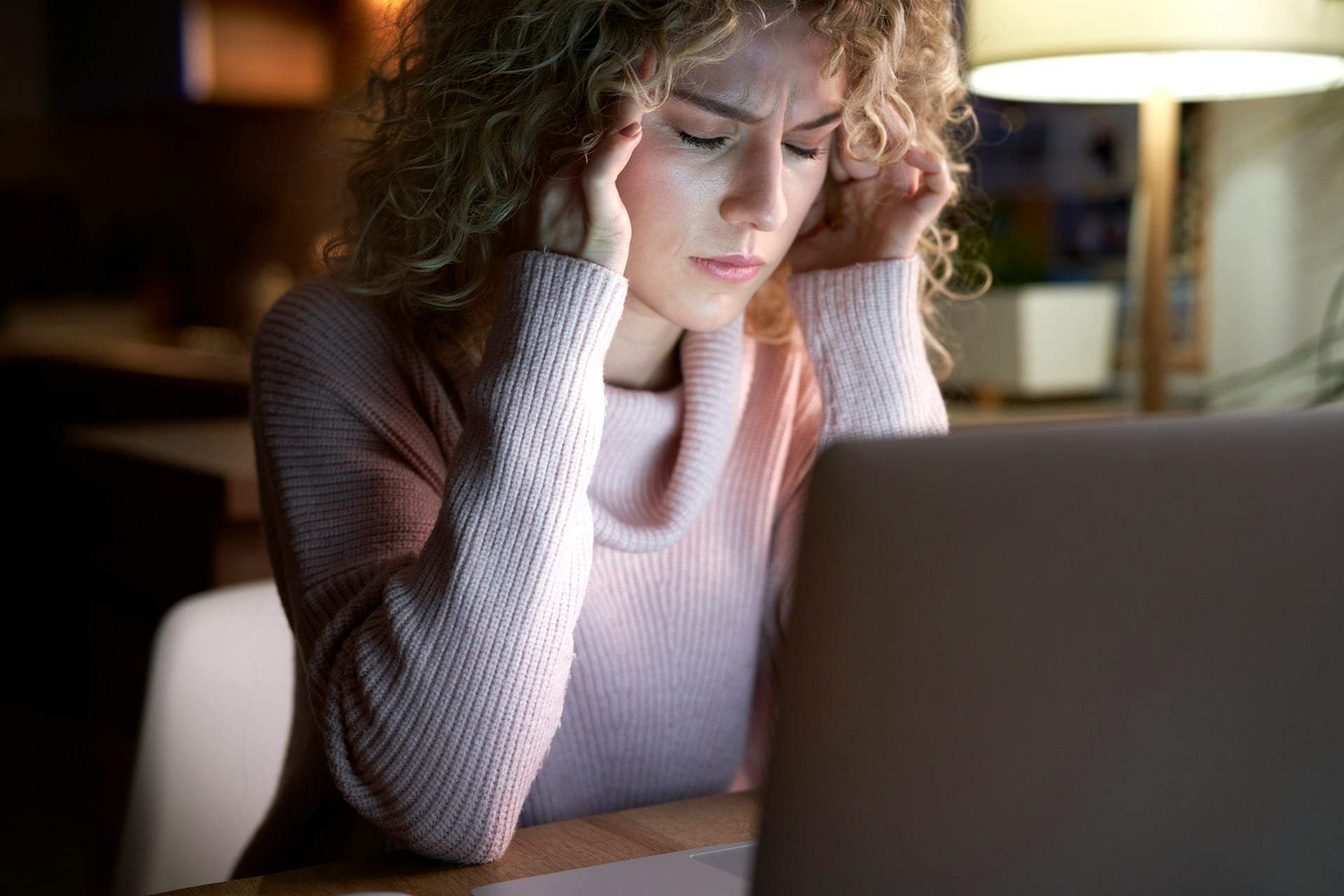
Ever had that feeling after a long day when you finally flop onto the couch, start scrolling your feed, and suddenly there she is? You know, the one whose style just gets under your skin…
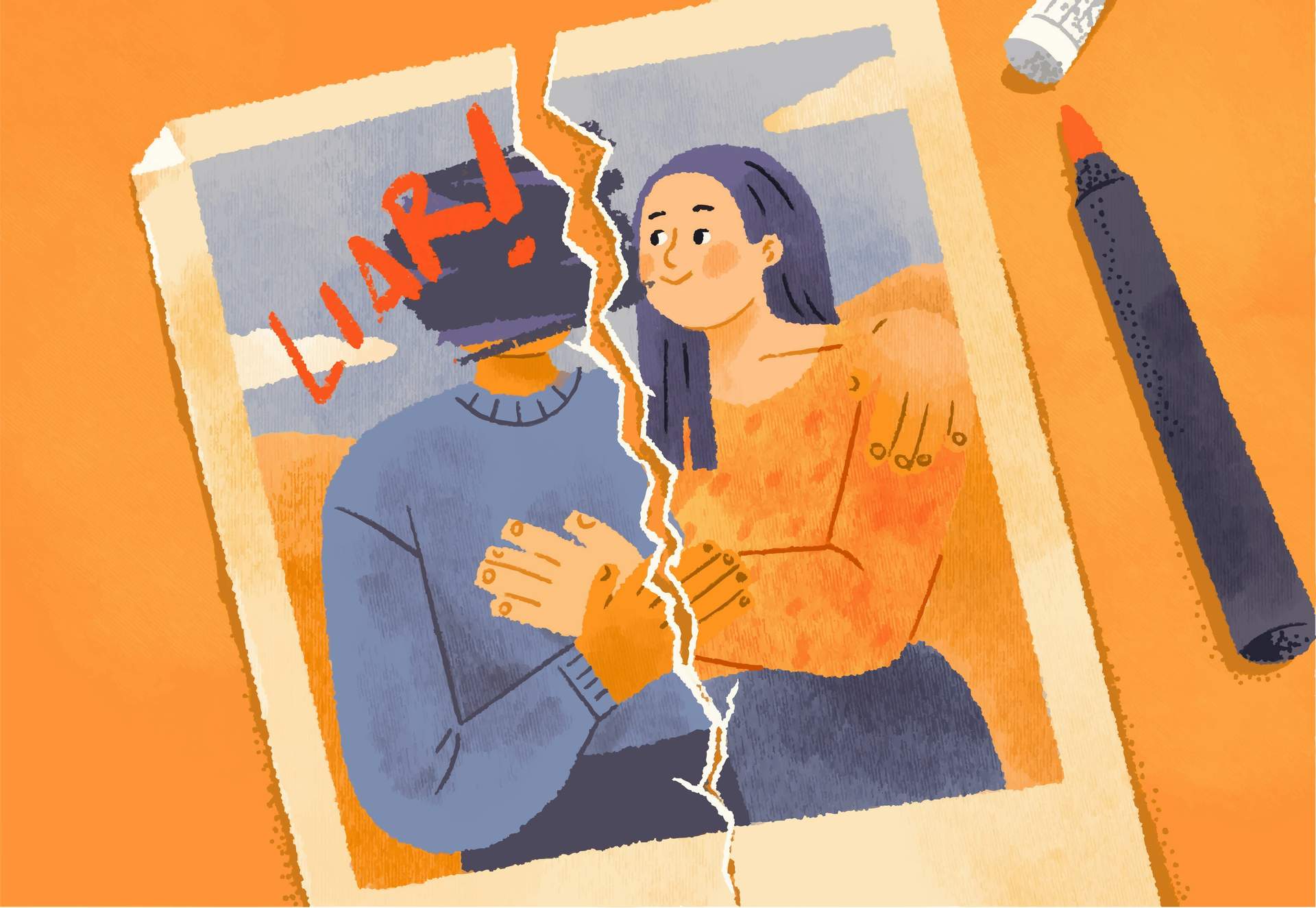
Yet you stay on her page. You watch her stories, read the comments, maybe even send a screenshot to your best friend saying “look at this, what is she up to now?” Psychologists call this hate-following — a kind of negative curiosity that feels almost compulsive. While “hate” might be a strong word, the impact is definitely real and draining.
Why do we do this to ourselves, and why do others do it to us?
As women, our daily lives are full of expectations, and we live in a time when social media is no longer just about staying connected. The online world has become a digital showcase where we can’t help but compare ourselves to others. Hate-following is actually a strange, inverted coping mechanism.
When we watch someone to find flaws in their life, we’re secretly trying to compensate for our own insecurities.
Seeing that the “annoying” acquaintance struggles too, or that their choices seem tasteless or wrong, gives us a fleeting illusion that we’re more valuable, stronger, or more stable.
But that feeling of catharsis is sadly an illusion. Research shows that this kind of passive, negative content consumption quietly raises our stress levels and harms our self-esteem. The more energy we spend analyzing someone we don’t even like, the less time and opportunity we have for what truly makes us happy.

When attention comes from suspicion: the “best friend effect”
I’ve also experienced being the target (and not always out of jealousy). Several times, married men started flirting in social spaces. At first, I wasn’t sure what their goal was, and I didn’t engage regularly, but I could feel them trying to keep the “connection” alive.
My childhood best guy friend explained it clearly: no matter what I replied, the reaction itself was an invitation to dance. I was naive, but after testing it, I found that the only thing that works with unwanted advances is total ignoring.
The most interesting part was that almost simultaneously, “the watchers” appeared: the men’s girlfriends sent friend requests within weeks.
I accepted them without suspicion since I had nothing to hide and even shared these messages with my own partner. One case was so revealing that I became stricter about who I accept and respond to. Instead of clarifying things with her own partner, the girlfriend thought it was a good idea to message me and my daughter’s dad — so we blocked everyone to avoid getting caught in a stranger’s drama.
Another time, I noticed a friend (we were barely acquaintances) was among the first to check every story I posted. I felt sorry when I heard how many women her partner had hit on — I could almost picture her desperation. Eventually, I cleaned up my feed and removed both of them. Since then, it’s been peaceful and quiet.
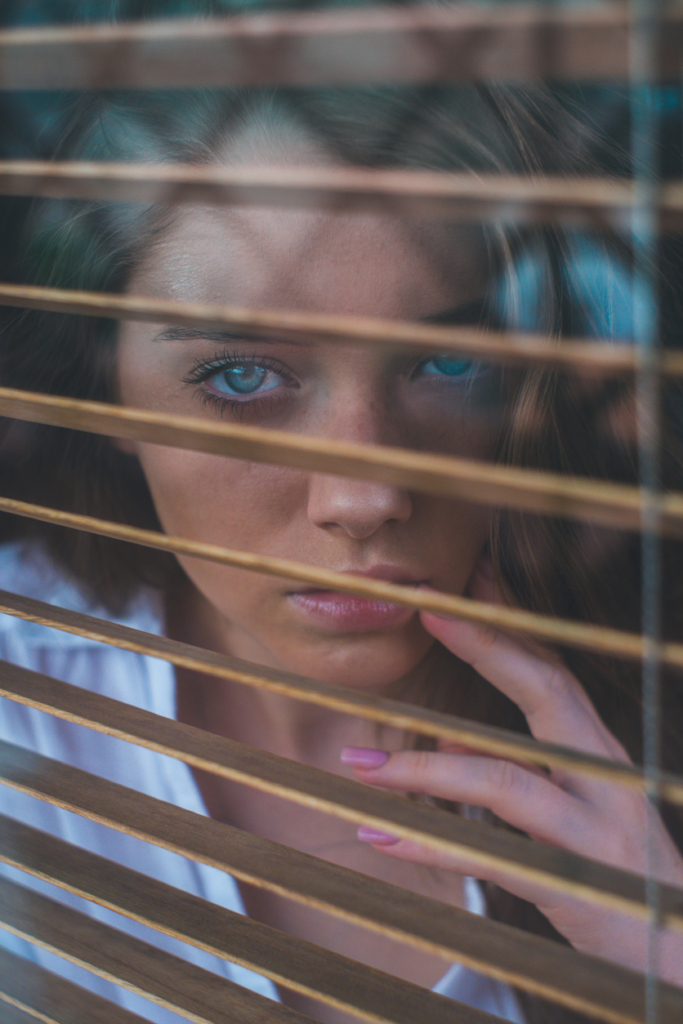
I’ve been on both sides of the fence
I’ve been a “watcher” and felt what it’s like to be followed by people I knew didn’t like me. The first time I caught myself regularly annoyed by someone, I paused and asked: “Why does this bother me so much?” I believe that when someone irritates us, it usually means we have some unresolved issues with what they represent.
My hate-following revealed no dramatic secrets — just that over the years, our values had drifted in opposite directions. When we first met, we shared common ground, but now we’re very different. I accept my own perspective, and they theirs — and realizing this was freeing. Once I said it out loud, unfollowing wasn’t painful at all.
Other times, technology (or fate?) helped me close the chapter. I once meant to mute someone so their posts wouldn’t appear, but accidentally unfriended them on Instagram. They could still see my posts, but I couldn’t see theirs. After a while, they unfollowed me — quickly, without any notification from my accidental click. Whether a mutual friend tipped them off or they just felt “done” with me remains a mystery. The important thing is: we both probably breathed a sigh of relief.
At the end of the day, here’s the takeaway: our attention is our most precious currency. While we waste it on irritation, others profit from our irreplaceable time. Do you really want to spend this valuable currency on people you wouldn’t even talk to in real life?