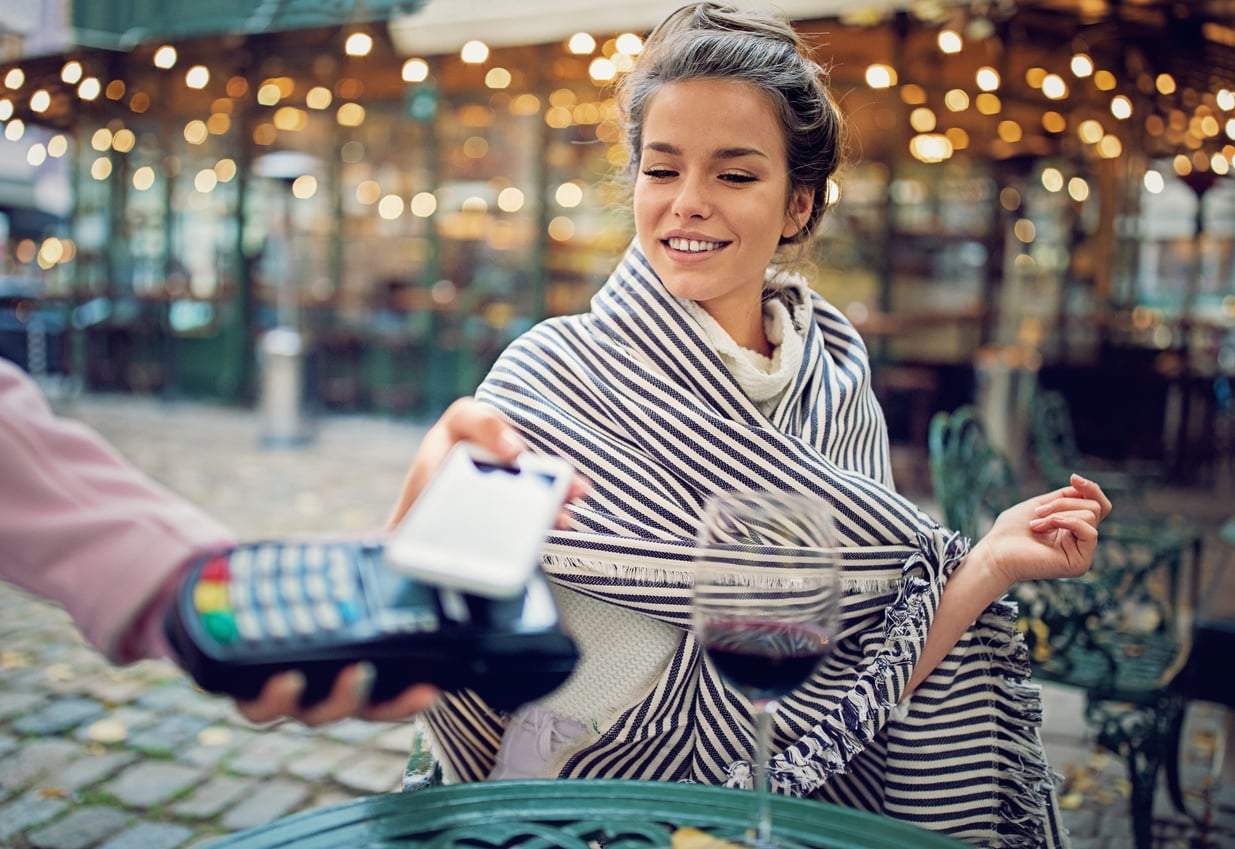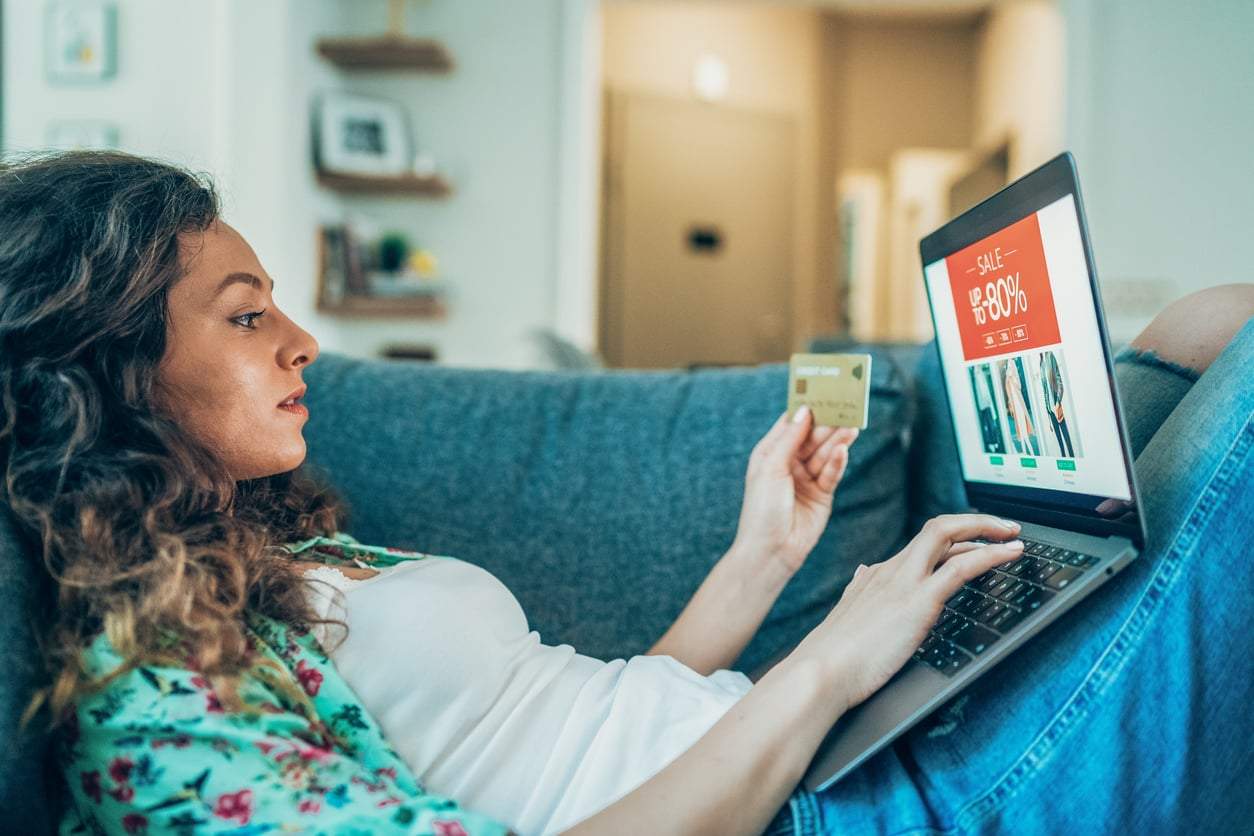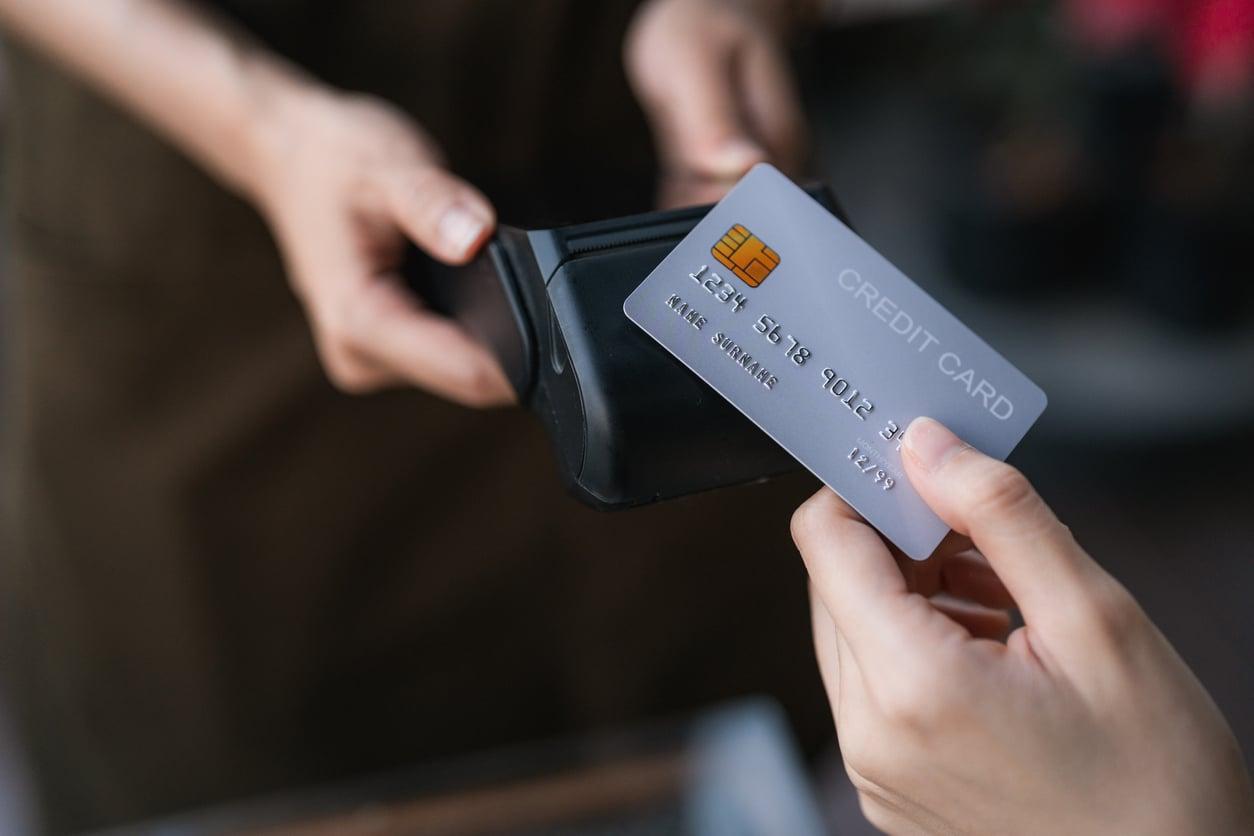
You buy a coffee, tap your phone, and two seconds later you're already walking away. No wallet, no counting change, no moment where you actually watch your cash disappear.
Behavioral finance researchers have spent decades studying why we spend more when we're not paying with physical money. There's even a name for it: the pain of paying. When you hand over a banknote, your brain registers the loss — a small but very real twinge of discomfort. Tapping a card or phone erases that feeling, which makes spending feel lighter, almost weightless.
Cash hurts, and that's actually a good thing
When you pass over bills or coins, the movement of your hand, the weight of the paper, the change you get back — they're all physical cues that confirm something: you just gave something up. That bodily feedback is exactly what's missing from digital payments. Swiping a card or tapping a phone feels no different from opening an app. Nothing sets it apart from the dozens of meaningless little gestures you make all day.
That's why many financial advisors suggest using a cash or envelope system for at least a few spending categories, like groceries or entertainment. When the envelope is empty, there's simply nothing left to spend for the rest of the month — an instant, tangible limit you can actually see.
Paying by phone takes it one step further
If the card already removed the sense of physical loss, mobile payment speeds that up even more. One touch, a quick fingerprint or face scan, and the transaction is done. No PIN to type, no signature, none of those extra seconds where you might reconsider whether you actually need the thing.
Frictionless spending is dangerous to your wallet precisely because it removes the tiny decision-making moment that used to stop you without you even noticing.
On top of that, mobile payment apps are often optimized for small amounts. A coffee, a pastry, a parking ticket — each one feels trivial on its own, yet together they can add up to a serious sum by the end of the month. And because there's no paper receipt in your pocket to flip through and face reality, these little expenses easily slip into the invisible zone.
If small everyday buys are where your money quietly leaks away, it's worth learning how to break the impulse-buying habit before it becomes automatic.
What to do if you don't want to go back to paper money
You don't have to give up cards or mobile payments entirely to take back control of your spending. A few simple habits can make a big difference:
- Turn on daily or weekly alerts in your banking app for every transaction, so you can at least see the money moving even if you no longer feel it.
- Track small, quick purchases like coffee or fast food in their own category, then review at the weekend how much they've quietly piled up to.
- Before bigger, planned purchases, take a short pause before you approve the payment — even if it's just the time it takes to wrap up the item.
- If you can, keep your monthly budget on a separate card used only for small daily expenses. When the balance runs out, you instantly see the limit.
Awareness is your best defense
Your card and your phone aren't the enemy — they make everyday life more convenient and more secure. The problem isn't the tool. It's that the payment process has become so smooth that we've lost those few seconds when we used to ask ourselves one simple question: do I really need this right now?
Why do I spend more with a card than with cash?
Paying with cash triggers a small, real sense of loss your brain registers as you hand the money over. Cards and phones remove that feeling, so spending feels lighter and easier — which makes it easier to overspend.
Is mobile payment worse than card payment for overspending?
It can be. Mobile payment is even faster and more frictionless than a card, removing the extra seconds where you might reconsider a purchase, especially for small, everyday amounts.
Do I have to switch back to cash to control my spending?
No. Simple habits like transaction alerts, tracking small purchases, pausing before big buys, and using a separate card for daily spending can help you stay in control without giving up digital payments.
How does the envelope system help?
By assigning cash to categories like groceries or entertainment, you create a visible, physical limit. When the envelope is empty, there's simply nothing left to spend for the rest of the month.