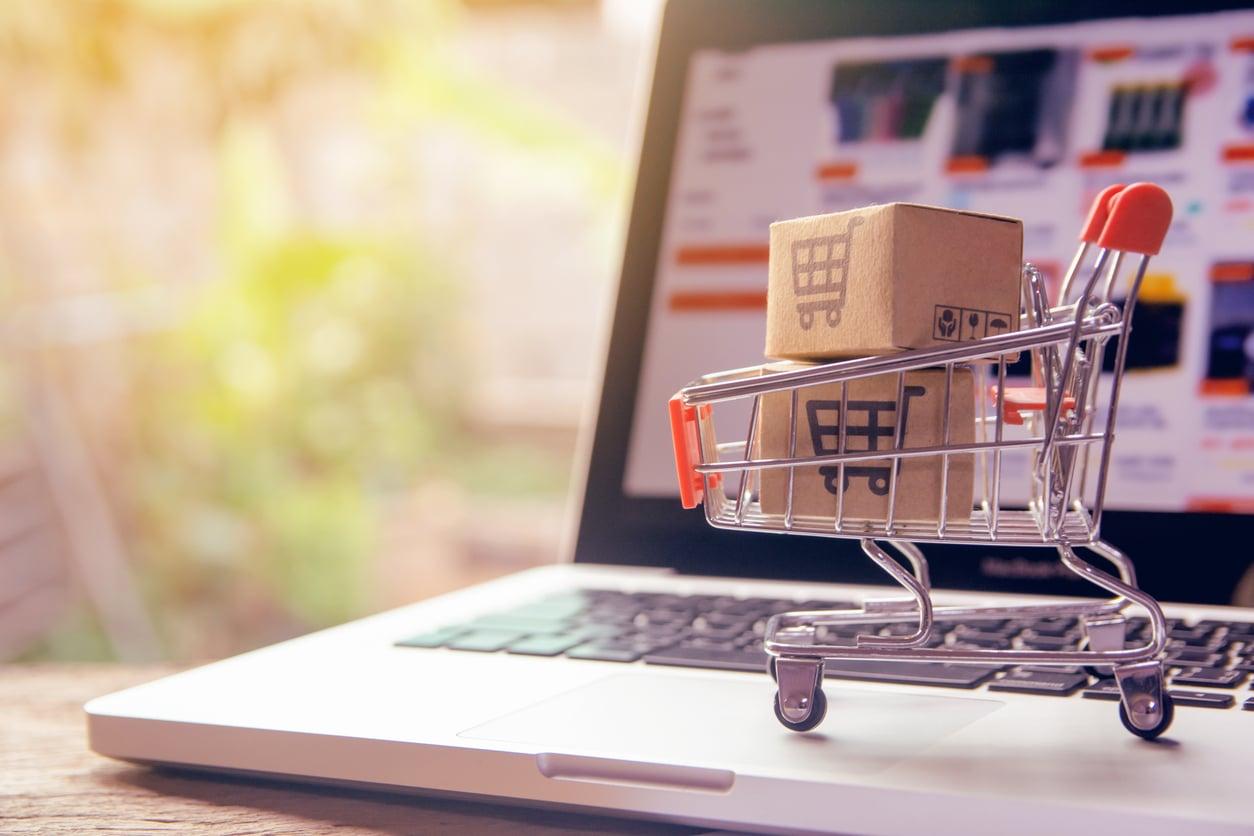
You already had everything you needed. You clicked through to your cart, glanced at the total, and then — somehow — found yourself scrolling back to "just take another look." A moment later, something new was in the basket. It happens every single time. And when the confirmation email arrives, a quiet little thought surfaces: did I actually need any of that? Here's the thing: that's not a personal weakness. It was designed to happen exactly that way.
The modern shopping experience — whether online or in a physical store — is not built by chance. Every element, from the layout and color palette to the recommendation engine, is carefully engineered around how your brain works. The goal is always the same: get you to spend more than you planned.
These techniques are so subtle, so deeply woven into our everyday shopping habits, that we rarely notice them at all. One moment you're buying one thing. The next, your cart total has doubled — and you still hit "place order."
Consumer psychology is a serious science, and the world's biggest brands, online retailers, and shopping malls spend billions every year studying exactly how your mind behaves before you press "pay."
The free shipping trap
One of the most effective tricks used by almost every online store is the free shipping threshold. You're so close — just a few dollars short. Your brain immediately switches into search mode: what else could you add? Something useful, something small, something that won't cost much. You'll find something. The store was counting on exactly that.
The promise of free shipping is such a powerful motivator that people routinely spend more on extra items to hit the threshold than the shipping fee would have cost them in the first place. You think you're saving money. In reality, you've spent more. This is not an accident — it's a carefully calculated tactic.
The same mechanism plays out in physical stores, too. Those small, cheap-looking products lined up right at the checkout? A pack of gum, a pen, a mini chocolate bar. Nothing major. But they're always there, and they always end up in your hand without much thought.
The power of scarcity and urgency
"Only 2 left in stock." "This offer expires at midnight." "Other people are viewing this right now."
If you've ever felt a flicker of anxiety reading those words, you already know how this works. Scarcity and urgency are among the most powerful buying triggers that evolution wired into us. Our brains respond very badly to the idea of potential loss — and research consistently shows that the desire to avoid losing something is roughly twice as motivating as the desire to gain something new.
The moment you feel like you might miss out, you want to act immediately. Retailers know this deeply, and they use it constantly. That little red badge saying "only 3 left" is often not even accurate — but the feeling it creates is very real.
Countdown timers on flash sales, "order today, receive tomorrow" promises, and those abandoned-cart emails warning you that your item is "almost gone" — they all target the same primitive neurological response: don't miss out, act now.
What you can actually do about it
The good news is that awareness is already half the battle. Once you know what's happening, it becomes much harder to fall for it automatically. Next time you feel that pull back toward your cart, pause for just a second and ask yourself honestly: was this something I came here to buy, or did it just seem like a good idea in the moment? If it's the latter, there's a very good chance a well-designed psychological nudge is doing its job.
One simple method that many people swear by: if something lands in your cart but you're not sure you need it, leave it there for a day. If you still want it tomorrow, it's probably a genuine purchase. If you've already forgotten what it was — well, there's your answer.
This doesn't mean impulse buys are always wrong. Sometimes you genuinely stumble across something you needed. But it's worth knowing the difference between you making a decision and the store making it for you. Because most of the time, when something ends up in your cart and you're not quite sure how it got there, someone else quietly pointed your attention toward it.
If you've ever wondered why online shopping sometimes leaves you feeling strangely hollow afterward, the answer often starts here — long before you ever reach the checkout.