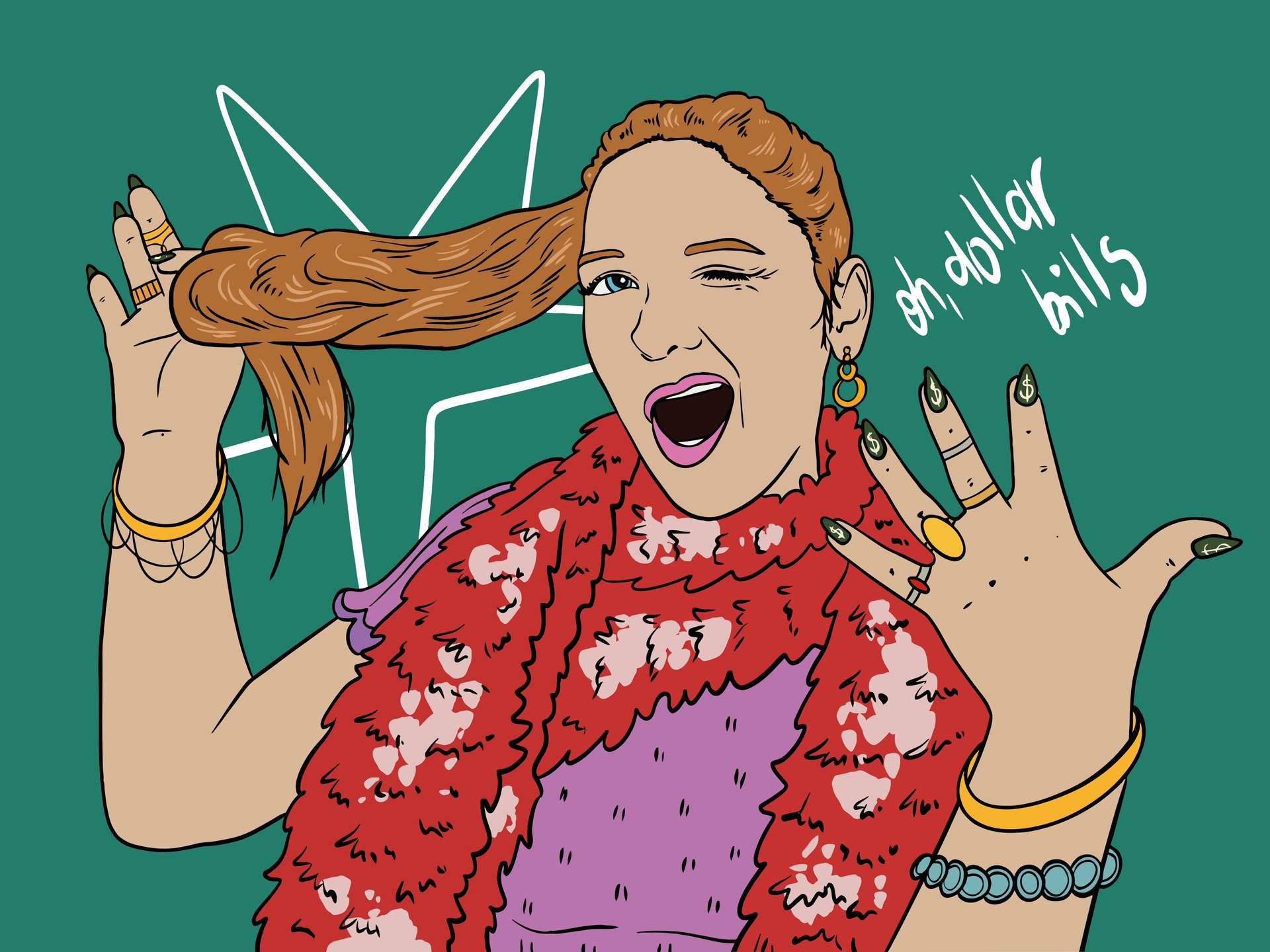
It doesn't show up in your job description. It's rarely acknowledged. And yet, somehow, it always gets done — usually by a woman.
Invisible labor in the workplace is real, widespread, and deeply gendered. From restocking the coffee to remembering everyone's birthday, these small but time-consuming tasks quietly pile up on women's shoulders. So why does this keep happening — and why do so many of us keep saying yes?
The coffee run nobody thinks about
Coffee is non-negotiable in most offices. People reach for their mugs without a second thought — but someone has to make sure there's actually coffee to reach for. That someone is almost always a woman.
It's rarely assigned. It just... happens. And it happens because of deeply ingrained gender role expectations that frame women as naturally nurturing, naturally attentive, naturally responsible for the small comforts that keep an office running smoothly. Nobody says it out loud. Nobody has to.
Birthdays, team events, and the emotional labor of celebration
Remembering that it's someone's birthday, organizing the card, arranging a small celebration — none of this appears on any official task list. And yet it takes real time and real energy.
Women often feel a sense of personal responsibility for keeping team morale alive. These gestures genuinely matter for group cohesion and a sense of belonging at work. But they're almost never recognized as work — even when they quietly function as an unspoken job requirement.
The effort is expected. The credit rarely follows.
Admin tasks: invisible but essential
Administrative work — scheduling, formatting, coordinating, following up — has a way of gravitating toward female colleagues. Part of this is rooted in the stereotype that women are more detail-oriented and organized. And while those qualities are genuinely valuable, they're also frequently exploited.
These tasks add enormous value to how a workplace functions — yet they almost never appear in a job description, and even more rarely come with recognition or reward.
The work is real. The acknowledgment, far too often, is not.
Why do women keep taking this on?
It's rarely a conscious choice. These responsibilities tend to accumulate gradually — so slowly that by the time anyone notices, they've simply become part of the routine.
A big part of it comes down to social conditioning. Women are raised to be caregivers, to anticipate needs, to smooth things over. That instinct doesn't disappear when you walk into an office. And when a task goes undone and everyone looks around the room, it's usually a woman who feels the pull to step in — not because she was asked, but because she's been trained to notice.
If any of this sounds familiar, you might also recognize the energy drain that comes from carrying more than your share at work — day after day, without anyone seeming to notice.
What would actually change things?
The shift starts with awareness and acknowledgment. Workplaces need to name this labor for what it is — real work, with real costs in time and energy — rather than treating it as a personality trait or a personal favor.
That means distributing these tasks more fairly, actively involving male colleagues, and building systems that don't quietly rely on women to hold everything together. When invisible work is made visible, everyone benefits — not just the individuals who've been carrying it, but the entire organization.
This isn't only a gender equity issue, though it is certainly that. At its core, it's about recognizing that the work that keeps a team human and connected is still work — and it deserves to be treated that way.