There are places where time genuinely slows down. Where the air smells different, the greens feel deeper, and a few hours feel like a full reset. The Jeli Magic Garden in Vas County, western Hungary, is one of those rare places — and it didn't come easy.
A dream that outlasted history
The garden's story begins with an extraordinary man: Count István Ambrózy-Migazzi, known affectionately as the "flower count." He had an unshakeable belief that plants from every corner of the world could thrive on Hungarian soil.
After losing his first arboretum in the aftermath of World War I, he didn't give up. In 1922, he started over near the village of Kám — on just a few hectares of land — and spent the rest of his life building something remarkable.
The garden he created nearly vanished during and after World War II, left neglected and slowly falling to ruin. The turning point came in the 1950s, when it was granted protected status and gradually brought back to life. Generations of dedicated work have shaped it into what it is today: a living, breathing botanical collection unlike anything else in the country.
A garden that circles the globe
What makes Jeli truly special is that it isn't just a park — it's a kind of living world map. Different sections of the garden represent different regions of the globe, so as you walk, you move through the flora of Asia, the Americas, and beyond, all without leaving western Hungary.
The species diversity here is staggering: rare conifers, deciduous trees, bulb plants, and hundreds of exotic specimens. The paths wind through it all thoughtfully — my personal favourite is the bamboo walkway — with benches and rest spots placed exactly where you need them. The whole place is designed to make you linger.
When the magic peaks: rhododendron season
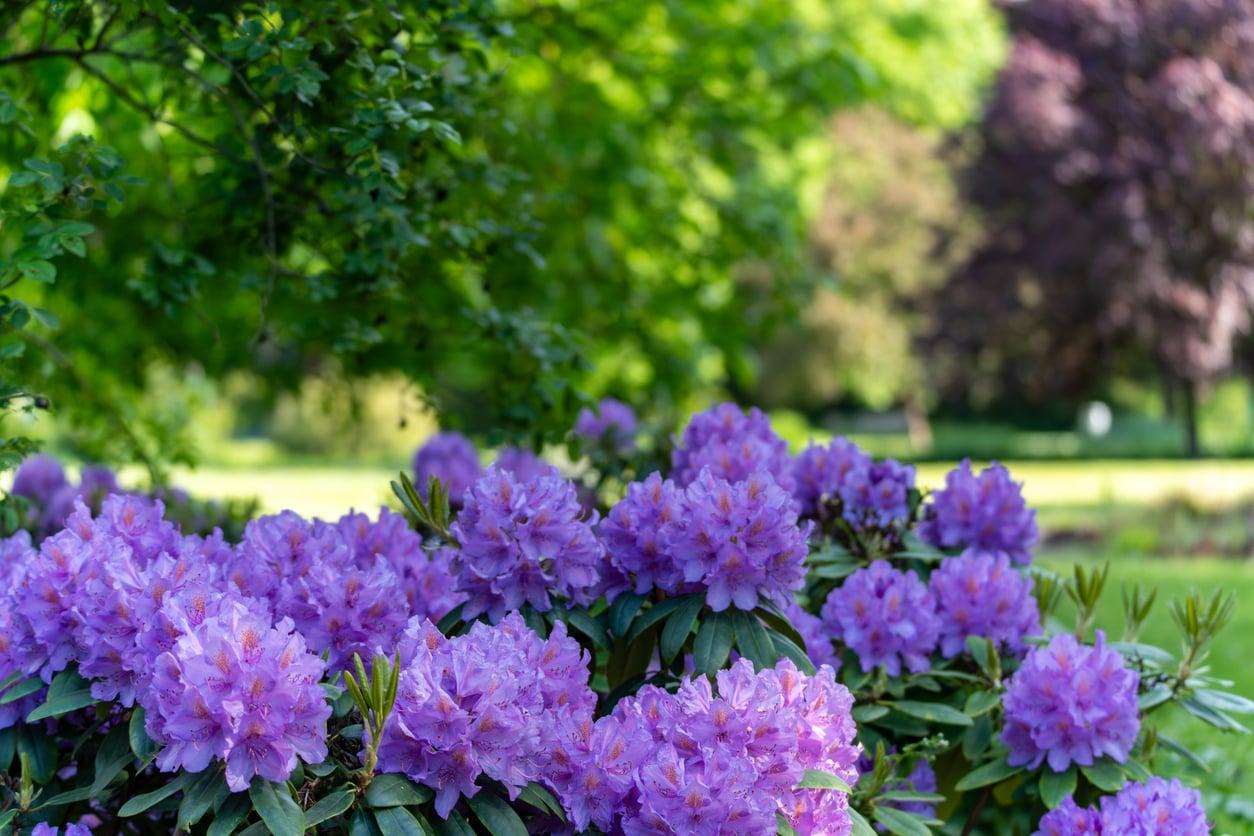
If there's one time of year to visit, it's late spring, when the rhododendrons bloom. The green shrubs transform almost overnight into an explosion of pink, purple, yellow, and white. The colour stretches as far as you can see.
It's not an exaggeration to say that during this period, Jeli becomes one of the most spectacular botanical sights in Europe. The blossoms don't just catch the eye — they fill the air with a scent that's almost impossible to describe until you've experienced it.
Secret life between the leaves
The garden is more than plants. Slow down for a moment and an entire hidden world reveals itself. Sparrowhawks glide between the trees, and the crested tit — with its distinctive tuft — flits through the pine sections. Patient visitors might spot the distinctive marks of a black woodpecker carving into bark, or even catch a glimpse of the goldcrest, Europe's tiniest bird.
Look closer still and you might find a hazel dormouse tucked among the shrubs, a pine marten moving silently through the canopy, or a smooth snake basking in a sunny clearing.
Trees that carry legends
Some of the individual trees are remarkable in their own right. A North African Atlas cedar greets you near the entrance with its imposing silhouette. Further in, the towering giant sequoias from the American West make you feel genuinely small.
One of the most fascinating specimens is the dawn redwood — a Chinese tree once believed to be extinct before it was rediscovered growing in the wild. Nearby, a Hinoki cypress brings the atmosphere of a Japanese forest, while the Nordmann fir will feel familiar to anyone who's ever decorated a Christmas tree.
A day that actually recharges you
For me, Jeli isn't just a day trip — it's a ritual. Growing up in Vas County, we came here almost every spring to see the rhododendrons bloom. That tradition has stayed with me, and every visit brings the same quiet sense of wonder.
The garden is large enough to fill an entire day without effort. Pack a proper picnic basket, find a bench by the lake, and simply be present. Recent additions — including a treetop walkway and a new lookout point — offer fresh perspectives on familiar ground, but the essence of the place hasn't changed one bit.
Practical information before you go
The garden is open from spring through autumn, with opening hours that shift by month — generally longer in spring, shorter as summer progresses. In 2026, adult admission is around 3,000 HUF, with discounted tickets available for students, seniors, families, and groups.
A few things to know before you visit:
- Dogs and bicycles are not permitted inside the grounds
- Picking or removing plants is strictly prohibited
- Tick protection is strongly recommended, especially in warmer months
- The treetop walkway may be closed in poor weather
Why it's worth the journey
Because the Jeli Magic Garden is more than an arboretum. It's a story about perseverance, about one person's vision, and about what happens when nature is shaped with genuine respect.
Some places don't need an explanation. Walk through the blooming rhododendrons just once, and you'll understand immediately — this is exactly the kind of place worth leaving the house for.