When the summer heat arrives, your home craves a refresh — something lighter, breezier, more alive. But going minimalist doesn't mean stripping everything out and living in a stark white box. The real trick is finding that sweet spot: a space that feels open and calm, yet still warm enough to actually want to spend time in.
Here are five simple but effective ways to get there.
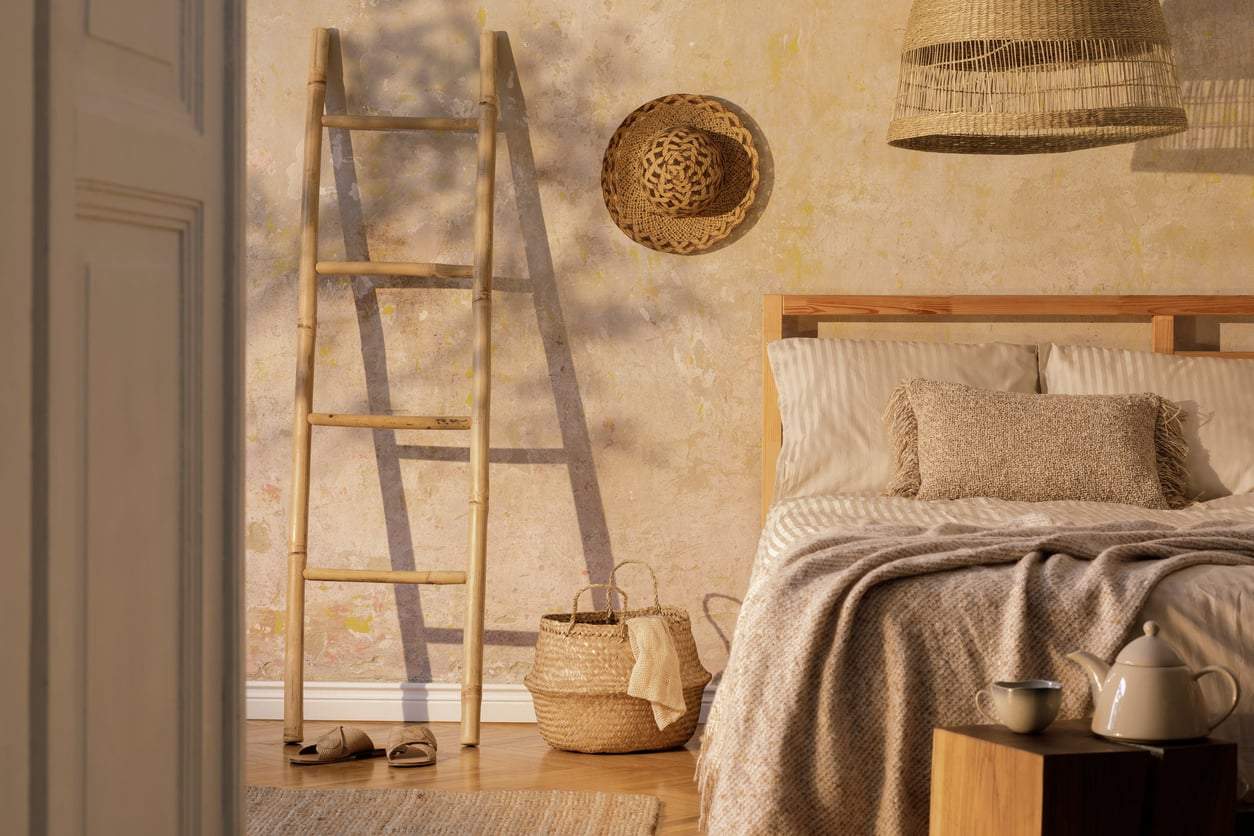
Muted colors and natural materials
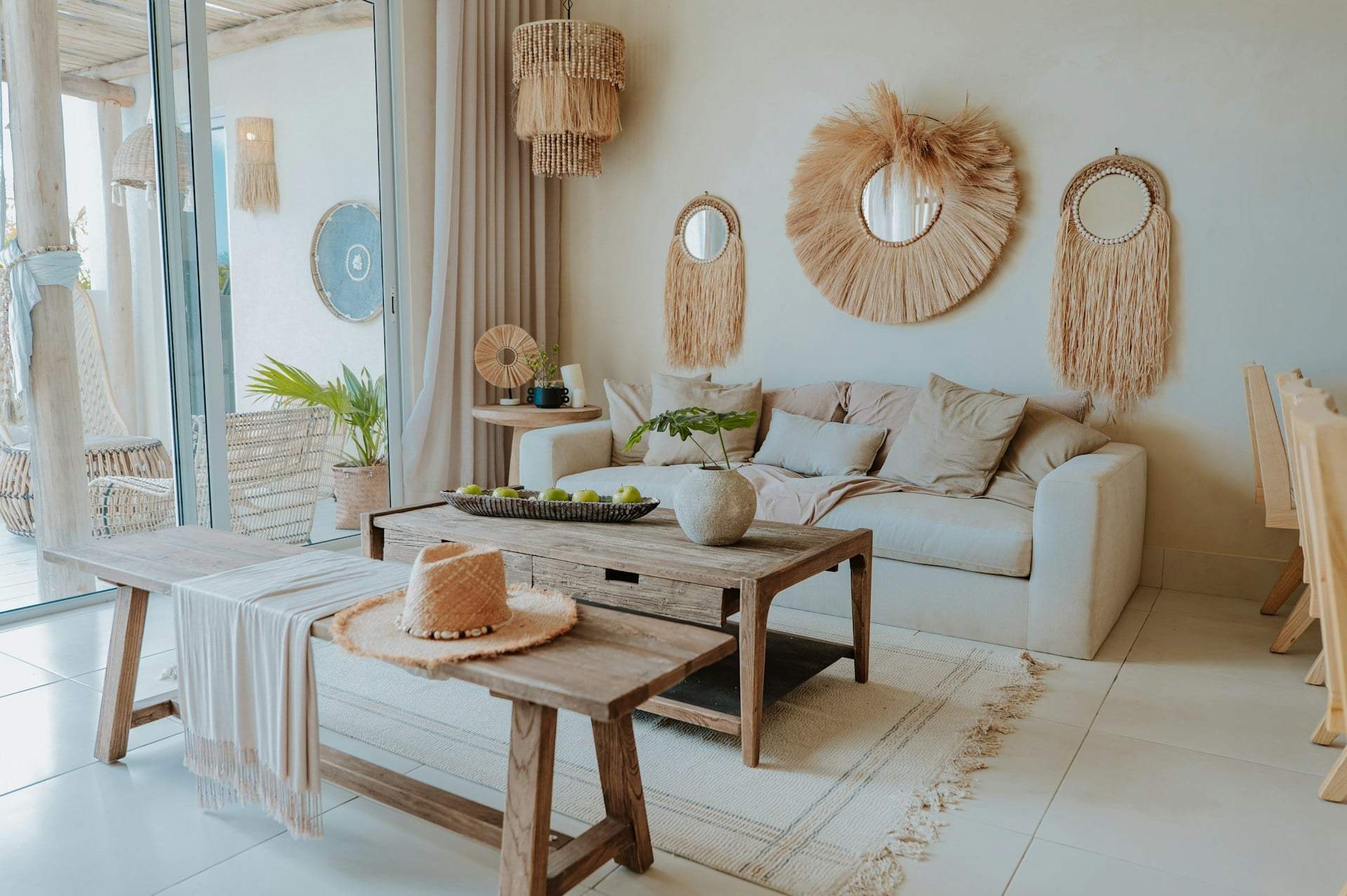
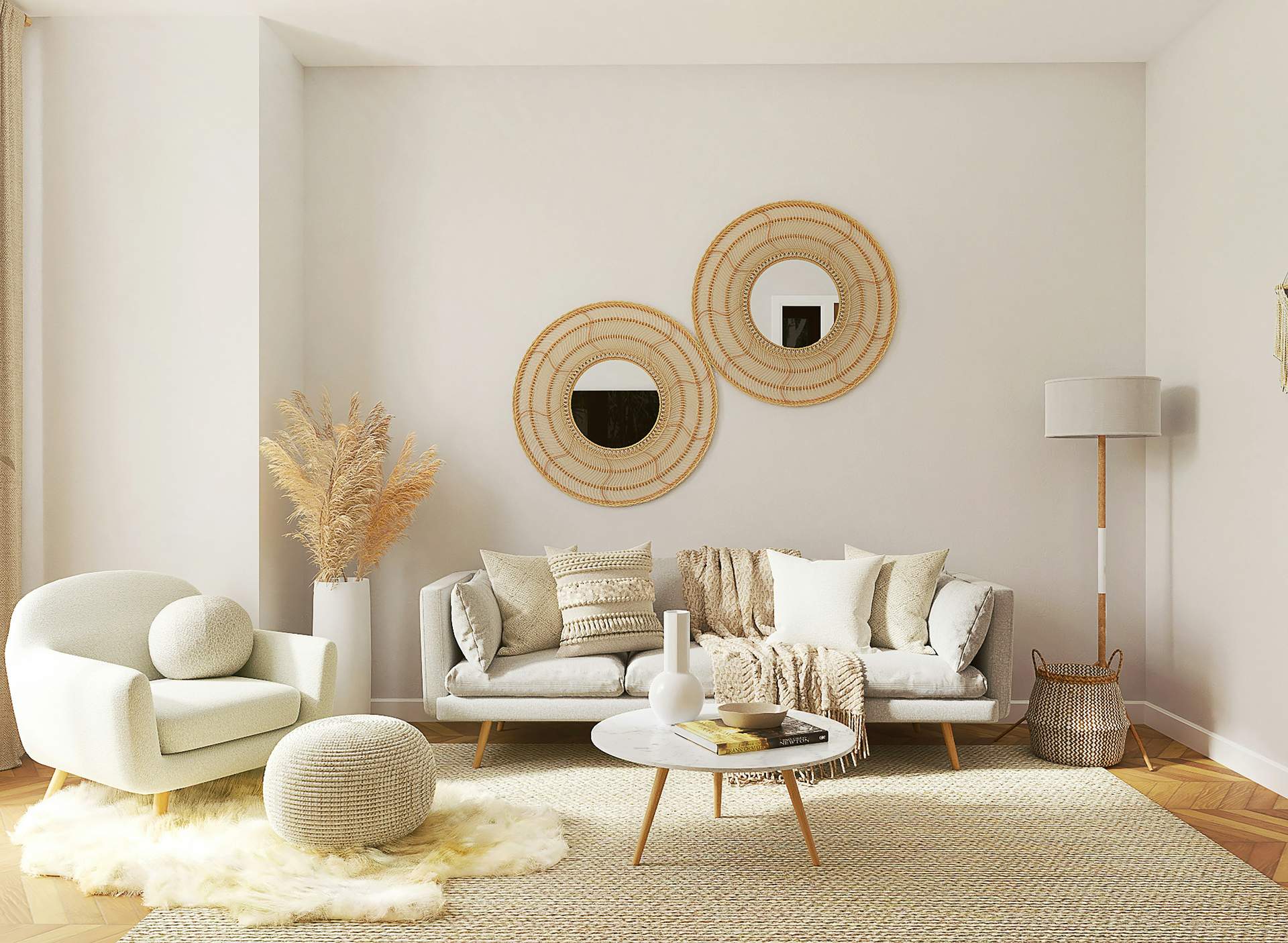
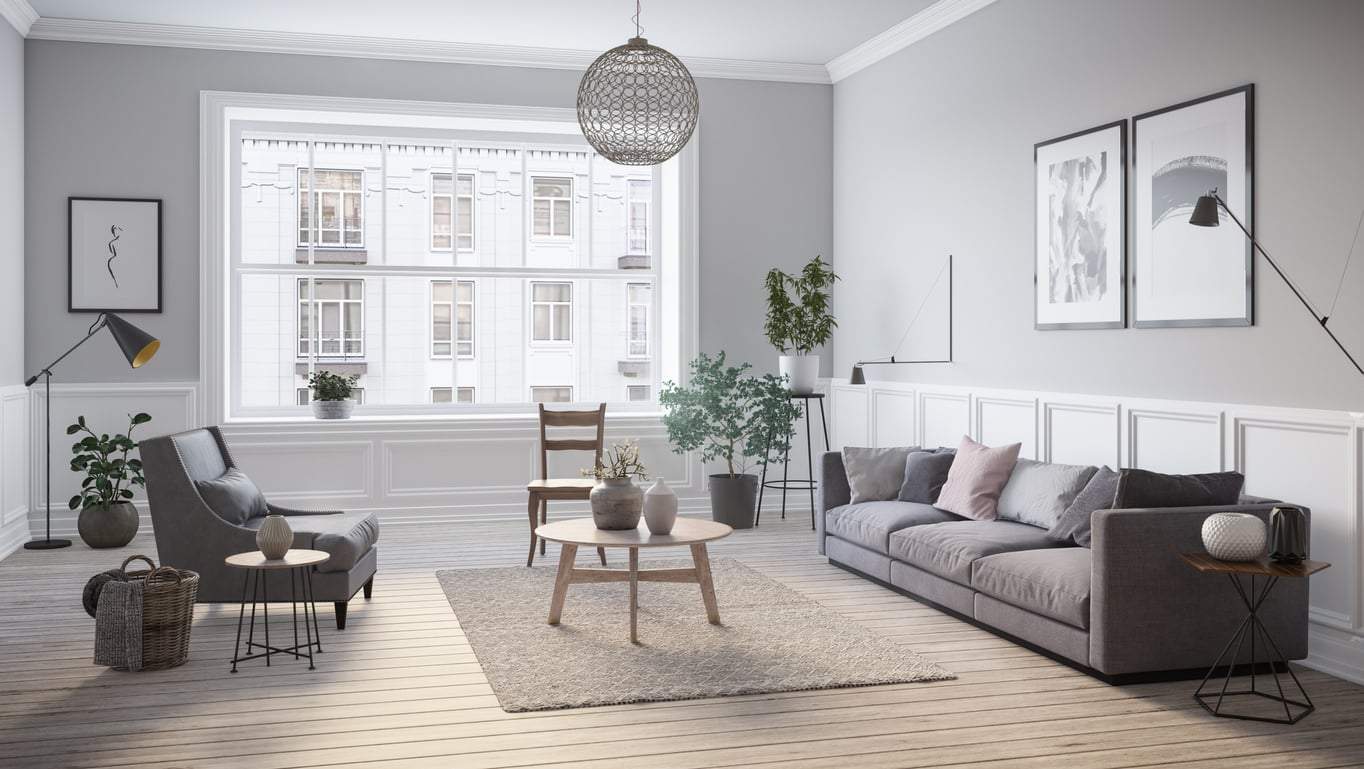
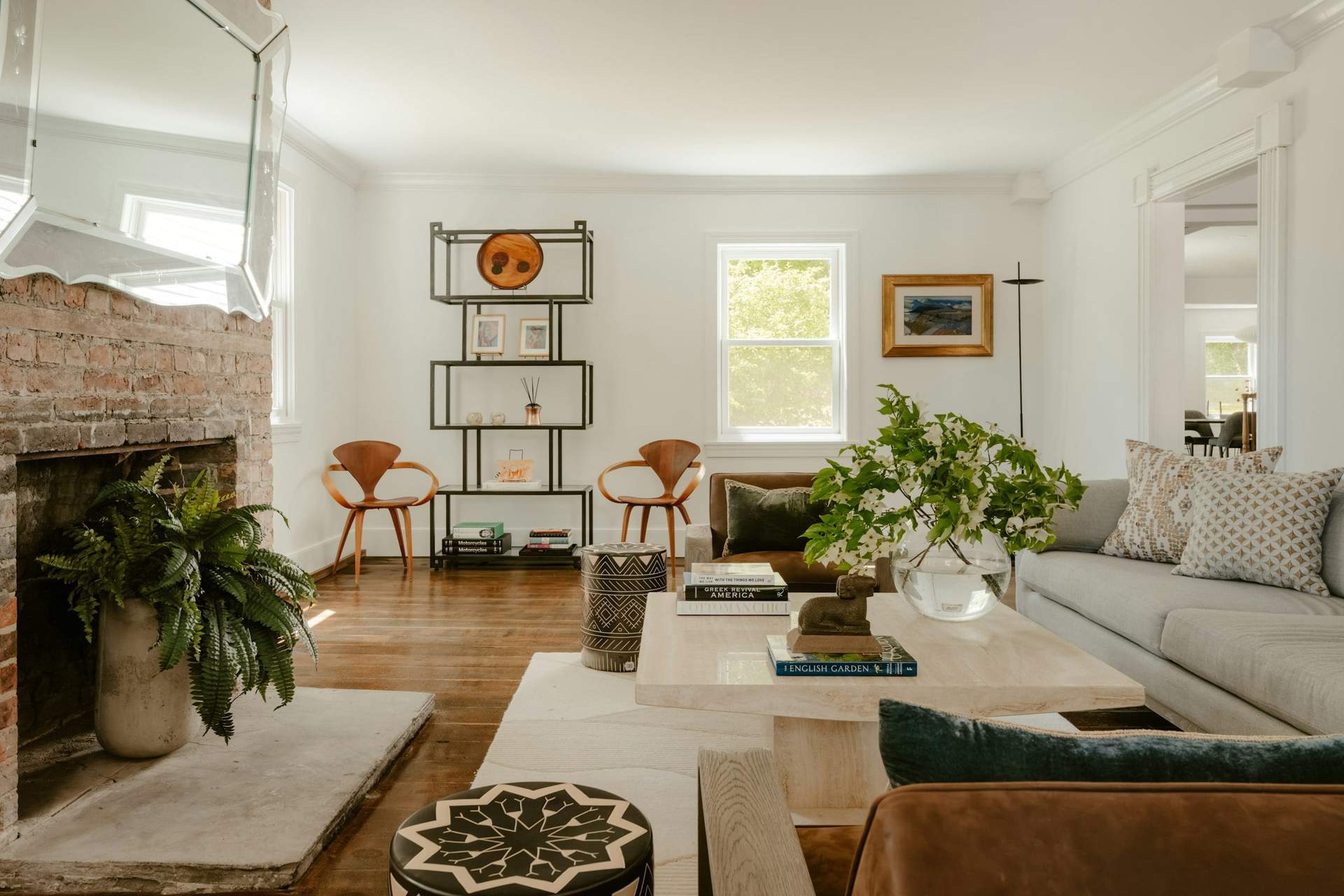
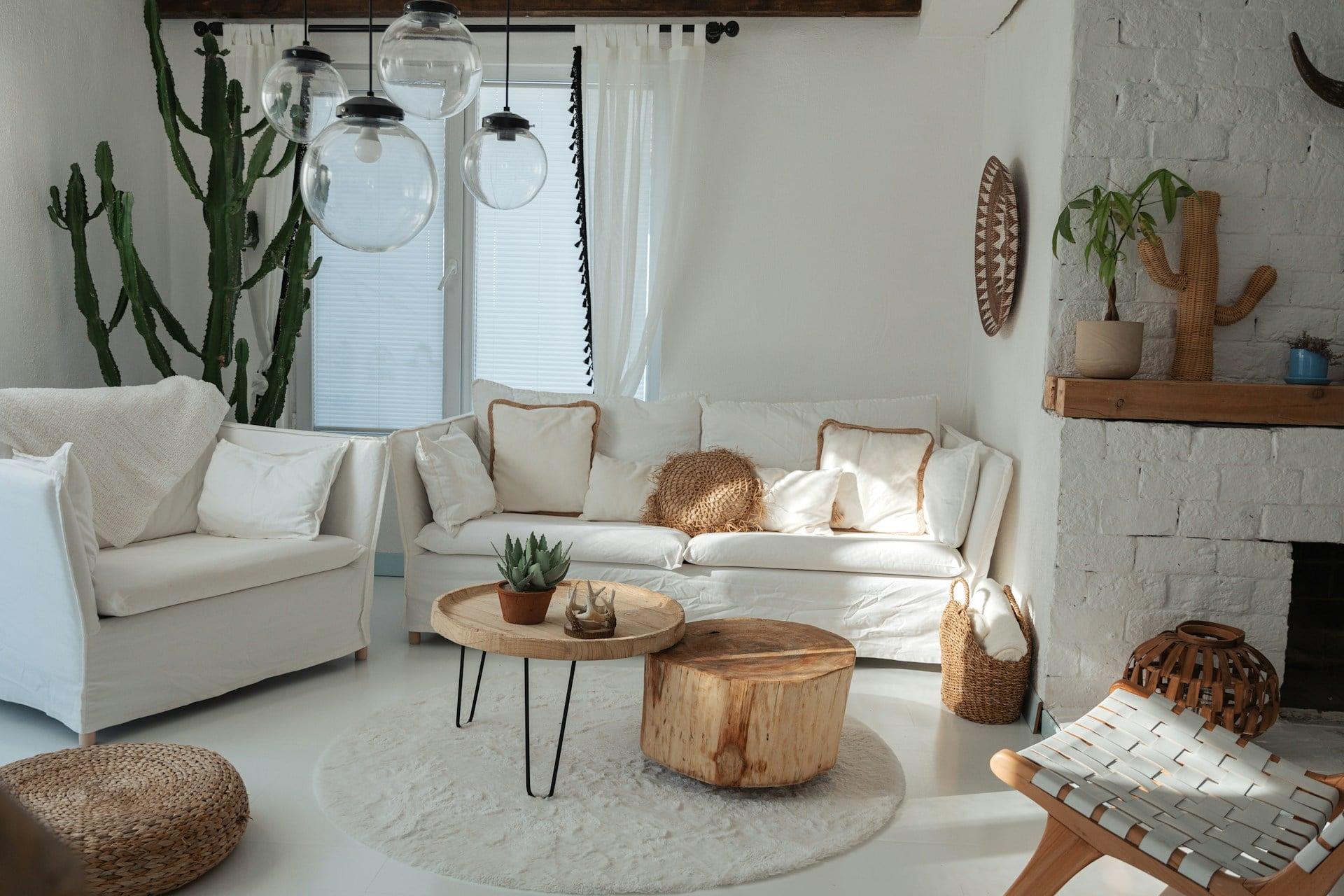
The foundation of any great minimalist living room is a restrained color palette. Whites, warm beiges, and soft grays open up a room visually while keeping it bright and airy — exactly what you want in summer.
Layer in natural materials like linen, wood, and rattan to stop the space from feeling clinical. A rattan armchair or a simple wooden coffee table brings an effortless lightness to the room while adding just enough warmth and texture to make it feel lived-in. Natural materials also have a subtle cooling effect — both visually and in terms of how they actually feel to the touch.
Play with light
Lighting can make or break a minimalist space. During the day, maximize natural light by swapping out heavy curtains for sheer linen panels that filter the sun without blocking it. The more daylight you let in, the more spacious and fresh the room will feel.
Once the sun goes down, floor lamps and wall sconces help maintain that same airy quality. Choose bulbs with a warm tone — cool white light tends to make a minimalist room feel cold and impersonal, which is the last thing you want on a summer evening.
Storage that earns its place
A minimalist room lives and dies by how well it handles clutter. The solution isn't to own less — it's to store smarter. Built-in shelving, multifunctional coffee tables with hidden compartments, and well-chosen baskets can keep everything tidy without making the room feel like a storage unit.
The key is consistency: choose storage pieces that match your overall aesthetic. A set of matching wicker baskets or neutral-toned boxes will look intentional and cohesive, not like an afterthought. When your storage is beautiful, it becomes part of the décor rather than something to hide.
If you're looking for inspiration, hidden storage ideas for the home are a great place to start.
Bring in some greenery
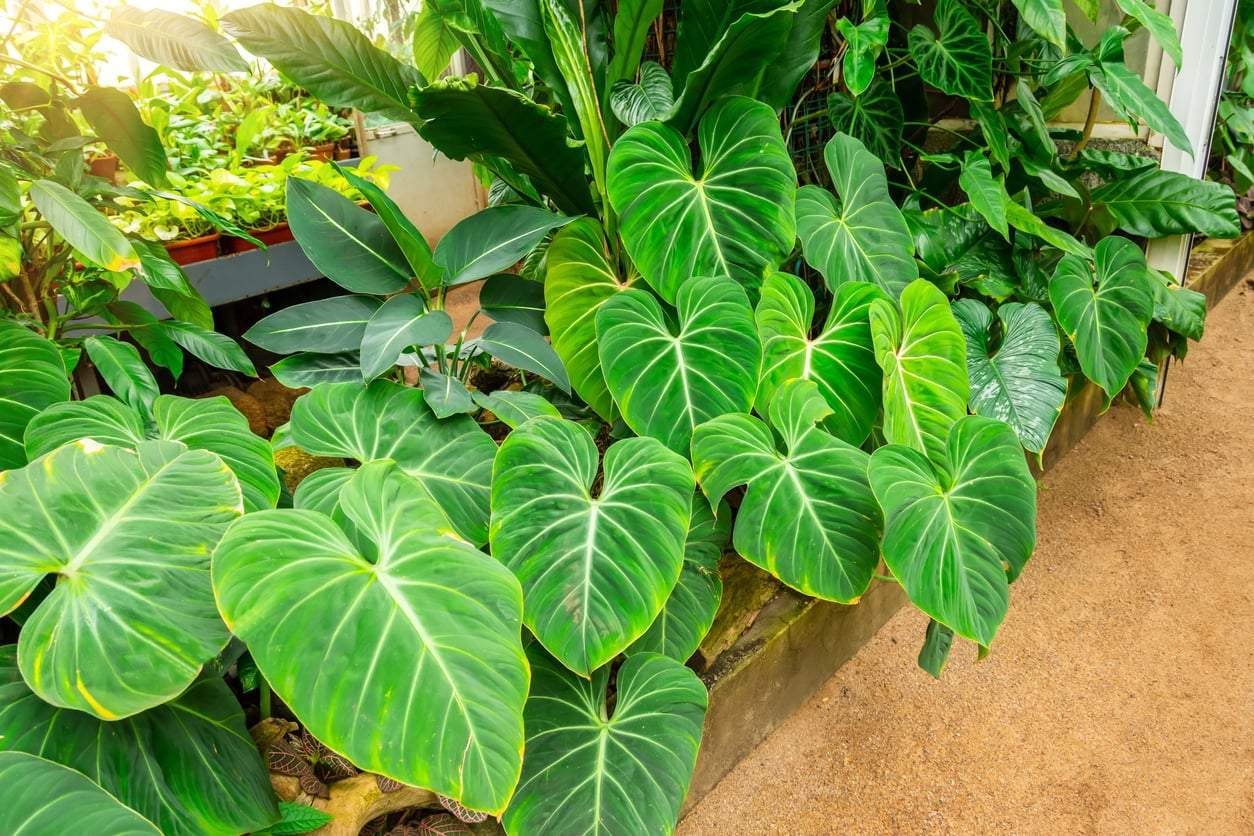
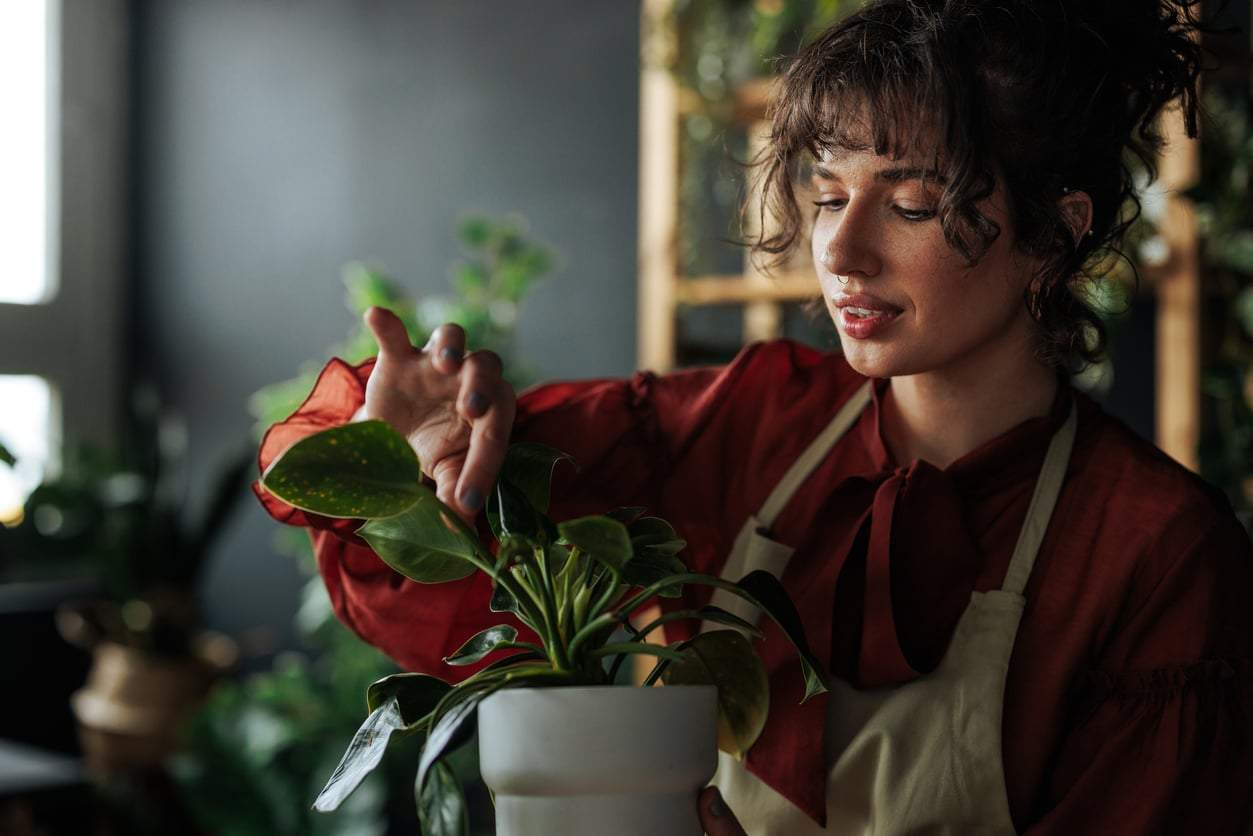
Plants are one of the easiest ways to add life to a minimalist space without disrupting its calm. A large fiddle-leaf fig or a monstera in the corner makes a quiet visual statement, while a few small succulents on a windowsill add a gentle organic touch.
Resist the urge to go for colorful or ornate pots — they'll compete with the simplicity you're building. Instead, stick to terracotta or plain white planters that blend naturally into your palette. The plants themselves provide all the color and character you need. If you want to go a step further, large-leafed houseplants can even help cool the room during the hottest months.
Layer textures to keep it interesting
Minimalism is about simplicity — but that doesn't mean everything has to be flat and featureless. Mixing textures is what keeps a pared-back room from feeling dull.
Think a soft cotton throw draped over the sofa, a few linen cushions, a jute rug underfoot. These layers add depth and a sense of comfort without introducing visual noise. The result is a room that feels thoughtfully put together — cozy enough to relax in, clean enough to breathe in. Perfect for long summer days when all you really want is somewhere calm to land.
None of these changes require a full renovation or a big budget. Pay attention to the details, and you'll quickly find that minimalist design is as practical as it is beautiful — especially when the temperature climbs. This could be the summer your living room finally becomes the calm, stylish retreat you've always wanted it to be.