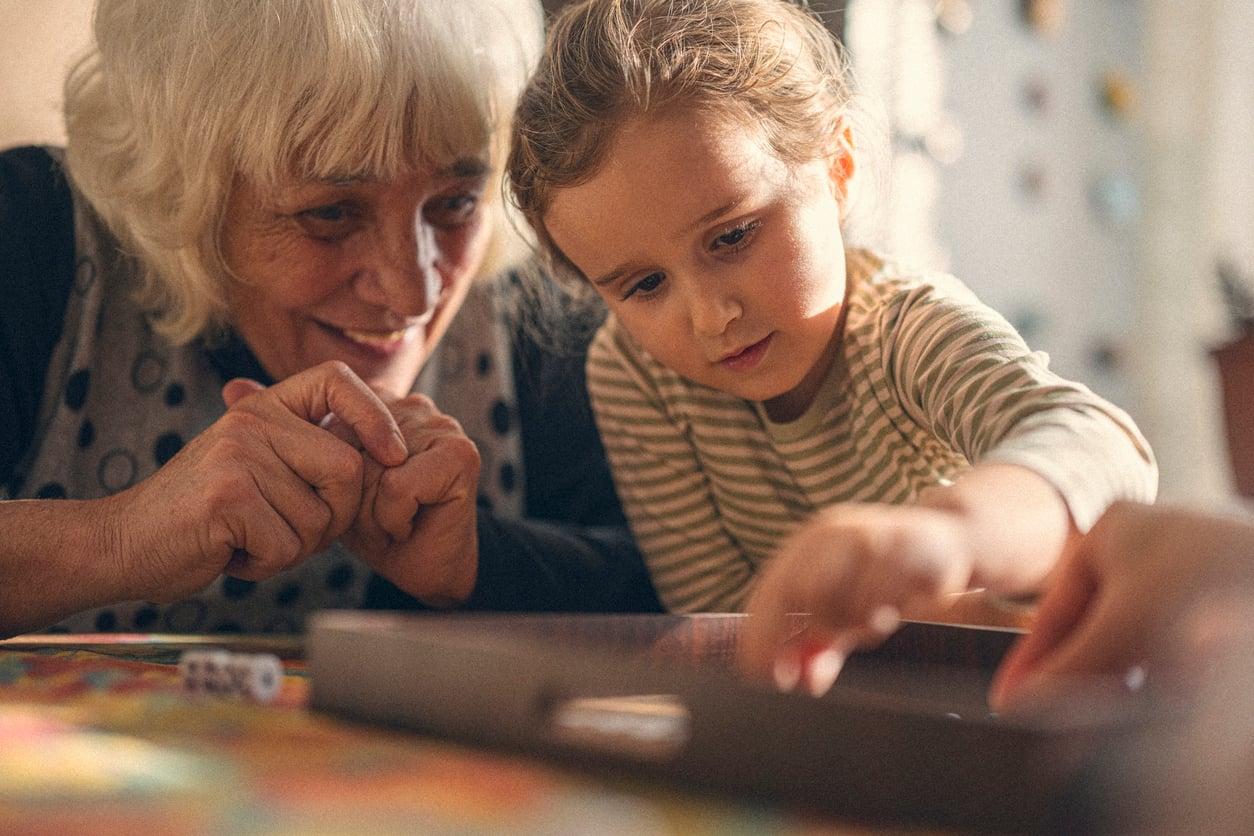
I feel the absence of grandmother energy on a collective level, too. It’s hard to put into words the feeling that’s been surfacing more often lately. It’s not classic nostalgia or rose-colored memories of the past.
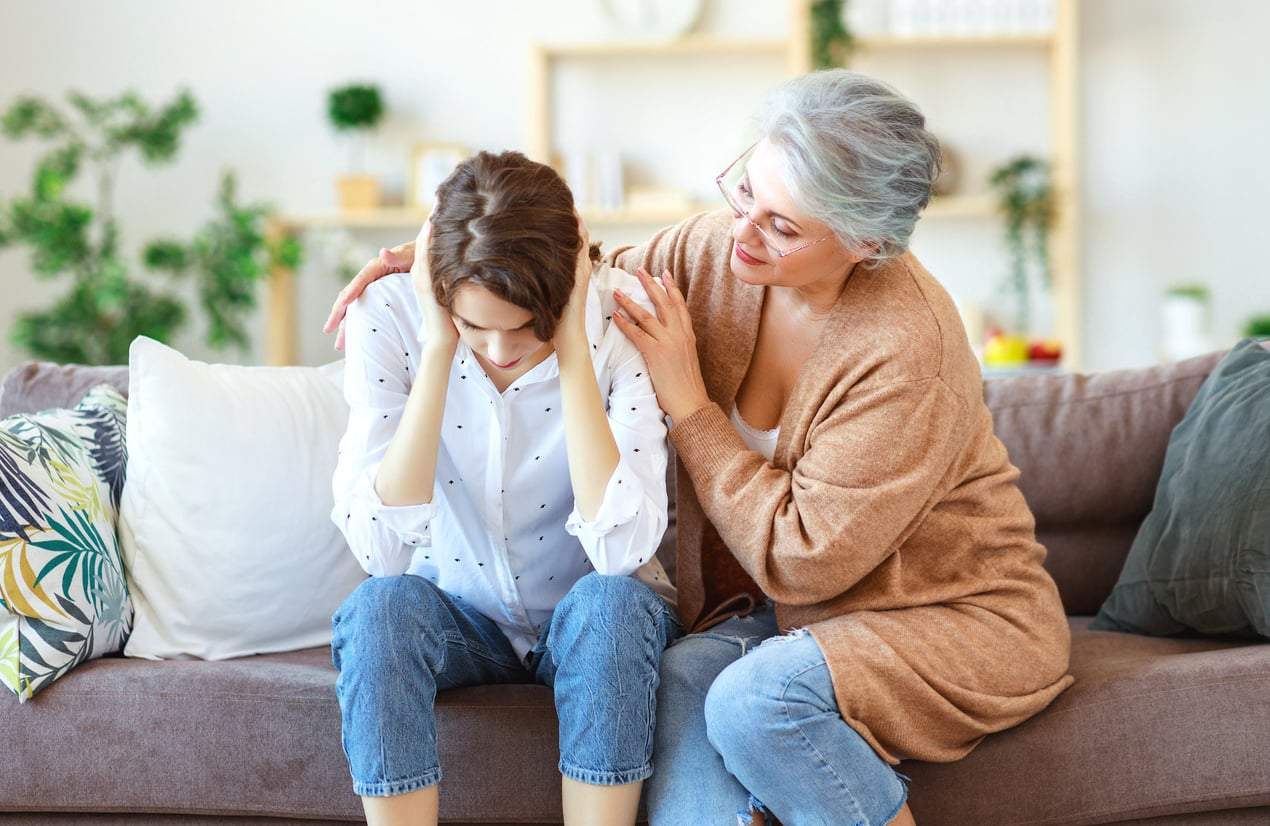
It’s more of a quiet longing that grows stronger when the world around me moves too fast, when I have to react, decide, keep up, and perform. When there’s no one to sit me down for a moment and say: “If it’s not okay now, it’s not the end yet.”
For a while, I thought it was just my sensitivity, triggered by a personal connection. After all, I lived under the same roof with my grandmother for nearly ten years, sharing a rhythm. But as I talked with others and noticed my own and their tensions, it became clear: this isn’t an individual loss. Something that used to be natural has quietly slipped away from our lives.
The Grandmother Energy We Long For
When we think of grandmothers, familiar images come to mind: rows of preserves in the pantry, handwritten recipes, Sunday dinners, packed cookies for the road. These warm memories are lovely, but the real essence lies elsewhere. Grandmother energy is more about an emotional quality. A presence where you don’t have to rush, explain yourself, or instantly feel better.
Looking back at my teenage years, I had so many things I could only share with my grandmother. Not because she agreed with everything—I remember times she clearly didn’t—but because I knew she wouldn’t scold or try to fix me. She listened and gave me space to speak. Looking back, she rarely gave direct advice or told me what to do differently. She was simply there, and somehow that made everything a bit more bearable.
This energy isn’t tied to a place or age but to an attitude toward time and life. It shows up where time isn’t the enemy, silence isn’t awkward, listening isn’t rushed, and not having a solution isn’t the end of the world.
Chasing a Lost Rhythm
Today’s world speaks a very different language. We expect efficiency, optimization, and constant growth—from ourselves and each other. Every conversation has a purpose, every challenge must teach a lesson, preferably fast. Grandmother energy, on the other hand, doesn’t push forward—it stops you in your tracks. It used to be natural to sit at a table with no agenda, no endpoint, no clear goal. It held us because it didn’t try to lead anywhere—yet everyone looked forward to it.
As we try harder to control everything, we lose the inner rhythm that once came naturally. We don’t trust our gut feelings; instead, we search for answers, scroll through lists, seek validation.
The wisdom that once flowed through generations in our daily lives has now quietly been interrupted.
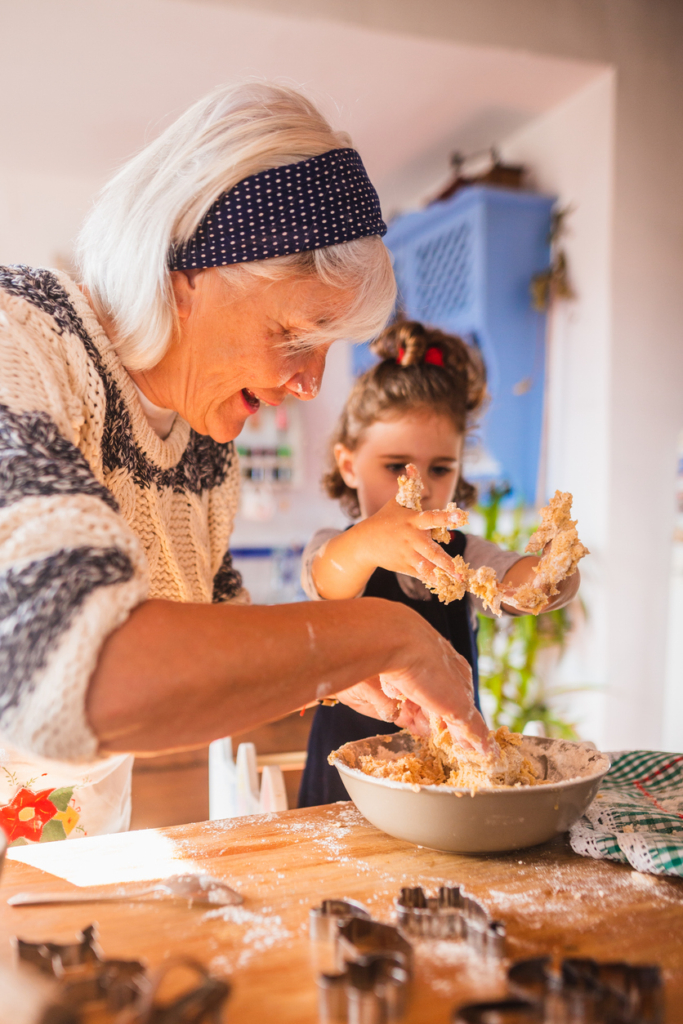
Active Grandmothers, the Sandwich Generation Left Alone
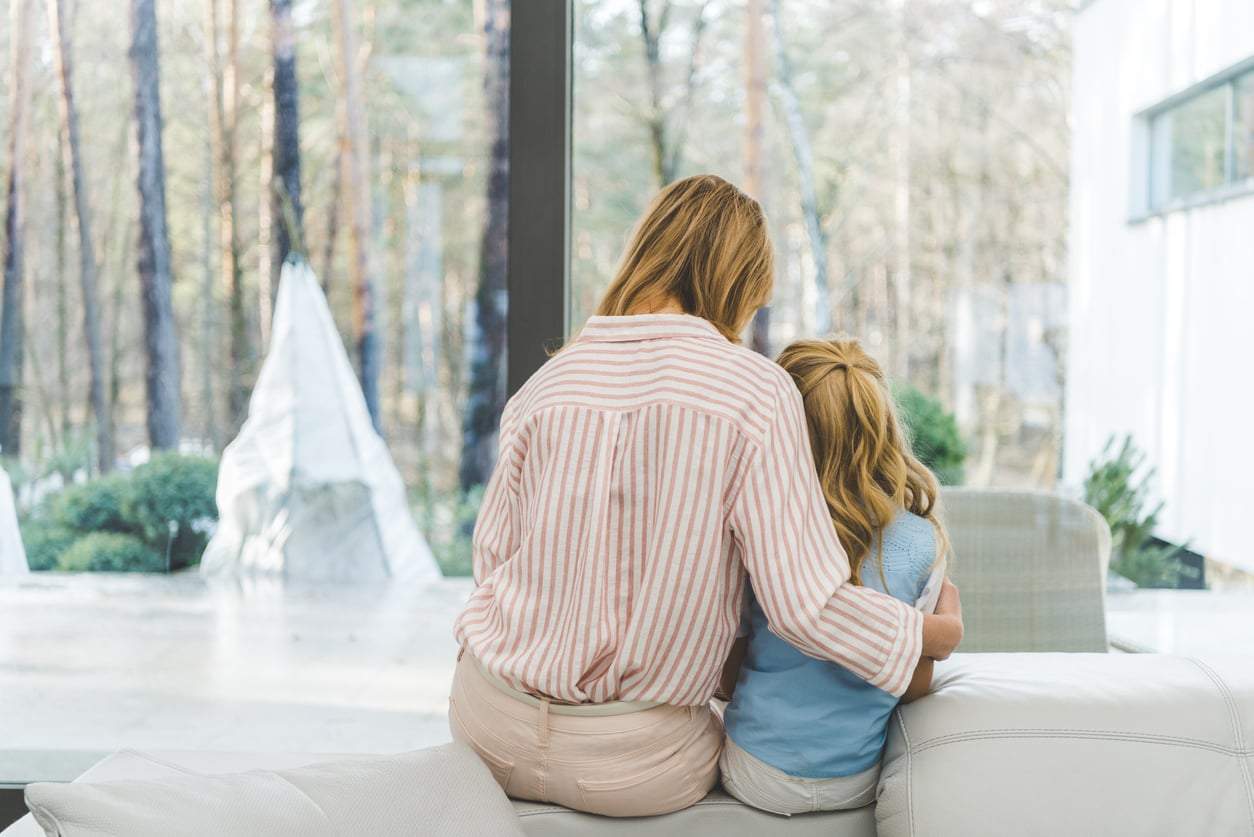
Grandmothers used to be a steady anchor in many families. Not because they didn’t have their own lives, but because they prioritized differently. Today’s active grandmothers work, study, exercise, travel, and live independently—a liberating and important shift. Yet, the always-available emotional and practical support that once held families together has faded.
The sandwich generation—those caring for both children and aging parents—often feel like there’s nowhere to set down their burden. They don’t need advice as much as simple presence that quietly lifts some of the tension. A bowl of soup, a slow gesture, a half-sentence that doesn’t fix anything but soothes and supports—these moments are now rare gifts.
When we say, “It takes a village to raise a child,” we’re really talking about this kind of energy.
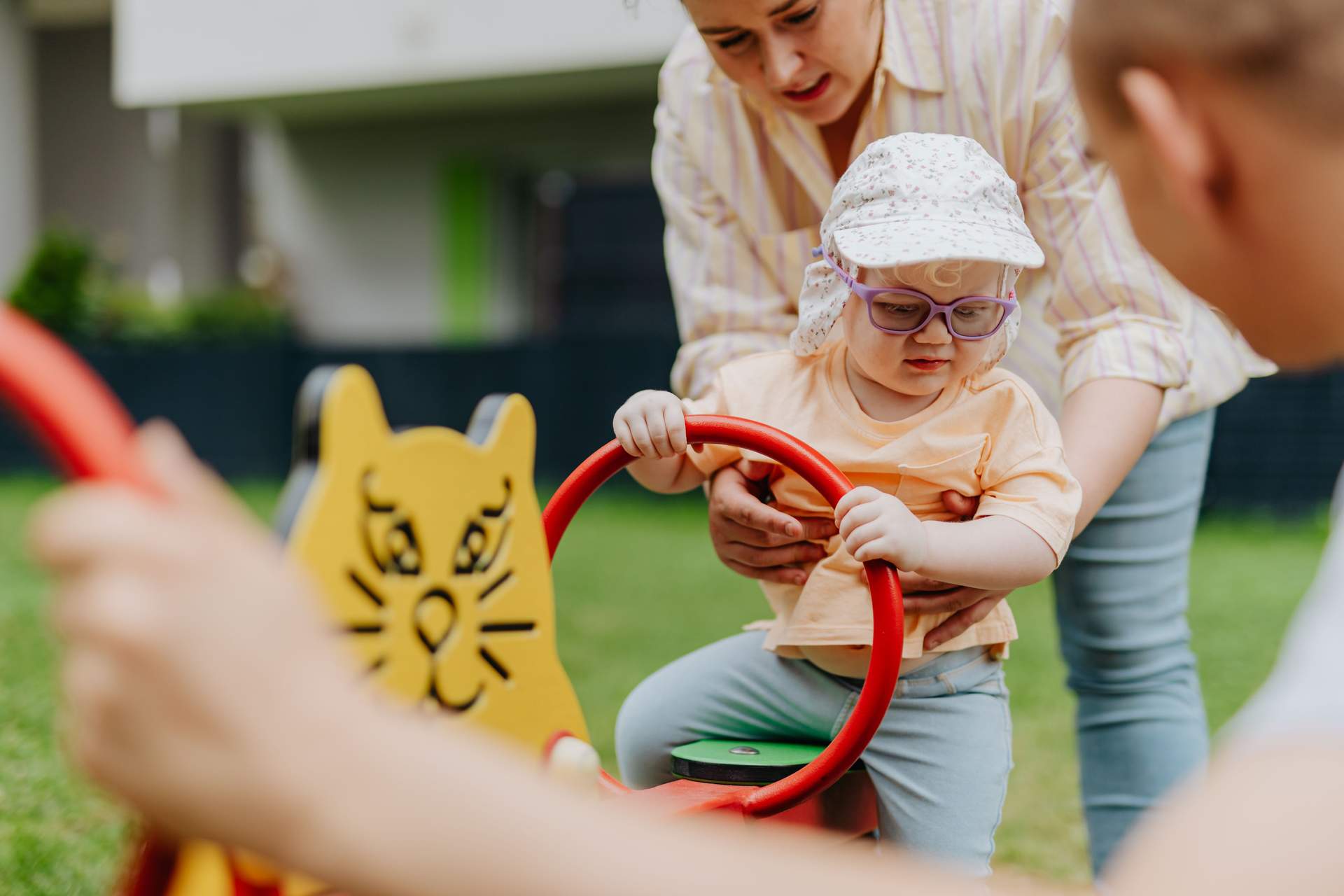
The village wasn’t buildings but people and connections. As the emotional and physical presence of older generations diminished—sometimes because younger ones moved abroad—roles narrowed. Parents became overwhelmed, and kids spent more time in front of screens because there was no one to patiently tell stories, play, and make room for questions.
What Biology Has Long Known
Humans are unique in that after their reproductive years, they often live long, active lives. The grandmother hypothesis suggests this isn’t a coincidence: in ancient communities, older women didn’t fade away (disappear because they were no longer attractive), but passed on stability, wisdom, and emotional security. They told stories, taught, and set examples by being present. When this chain breaks in modern society, we lose not only information but also trust in ourselves and natural rhythms.
Chances are, like me, you feel it’s unrealistic to expect today’s grandmothers to step back into a past role. Many don’t have that option, yet the sense of loss remains real. So the question is: how can we recreate this energy in new ways? Should we even try, or just go with the flow?
Right now, I believe our task isn’t to redistribute roles but to recognize:
What we’re missing isn’t a person but a quality.
Maybe grandmother energy isn’t born in the shadow of Sunday dinners anymore but when we slow down, when we simply want to be present. Seen this way, this energy isn’t lost—it’s just something we allow ourselves far less often than we should.