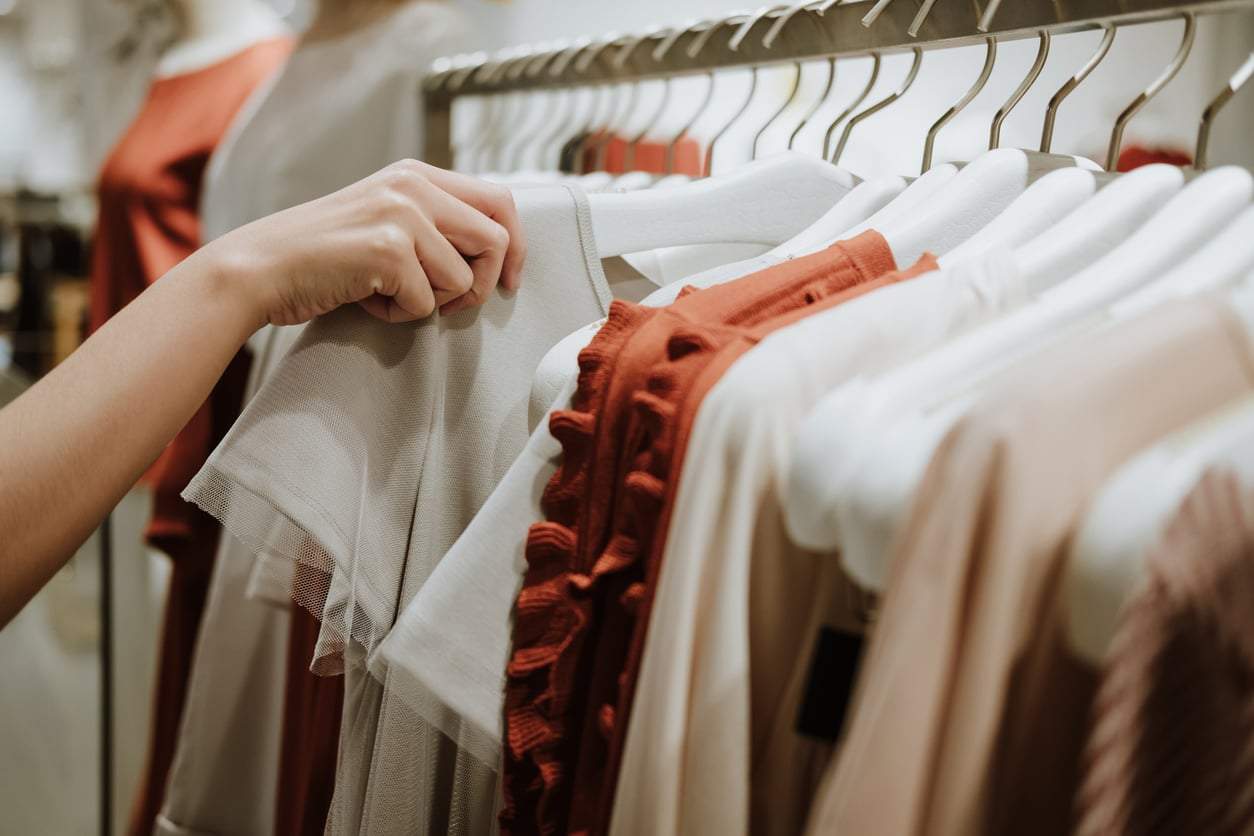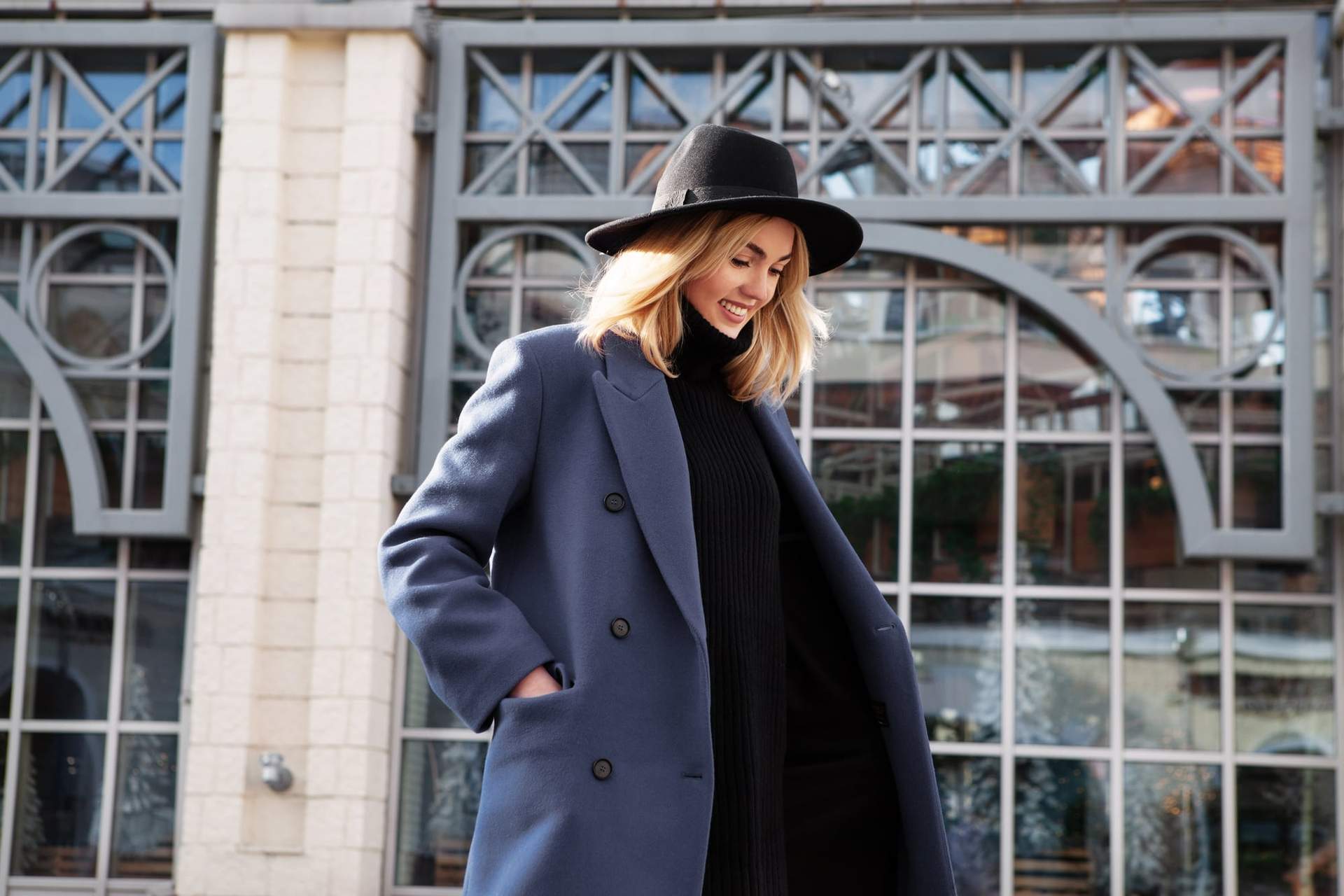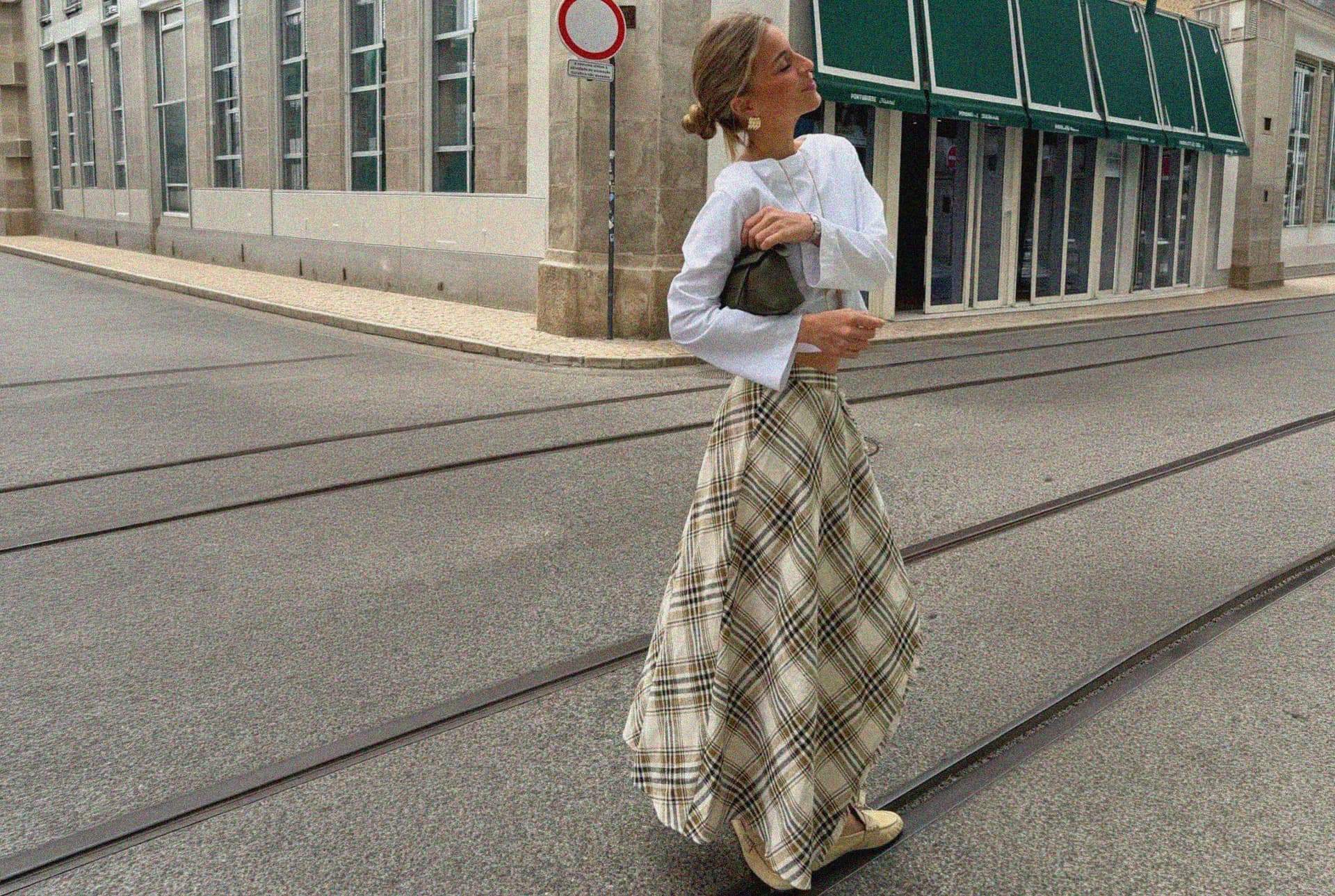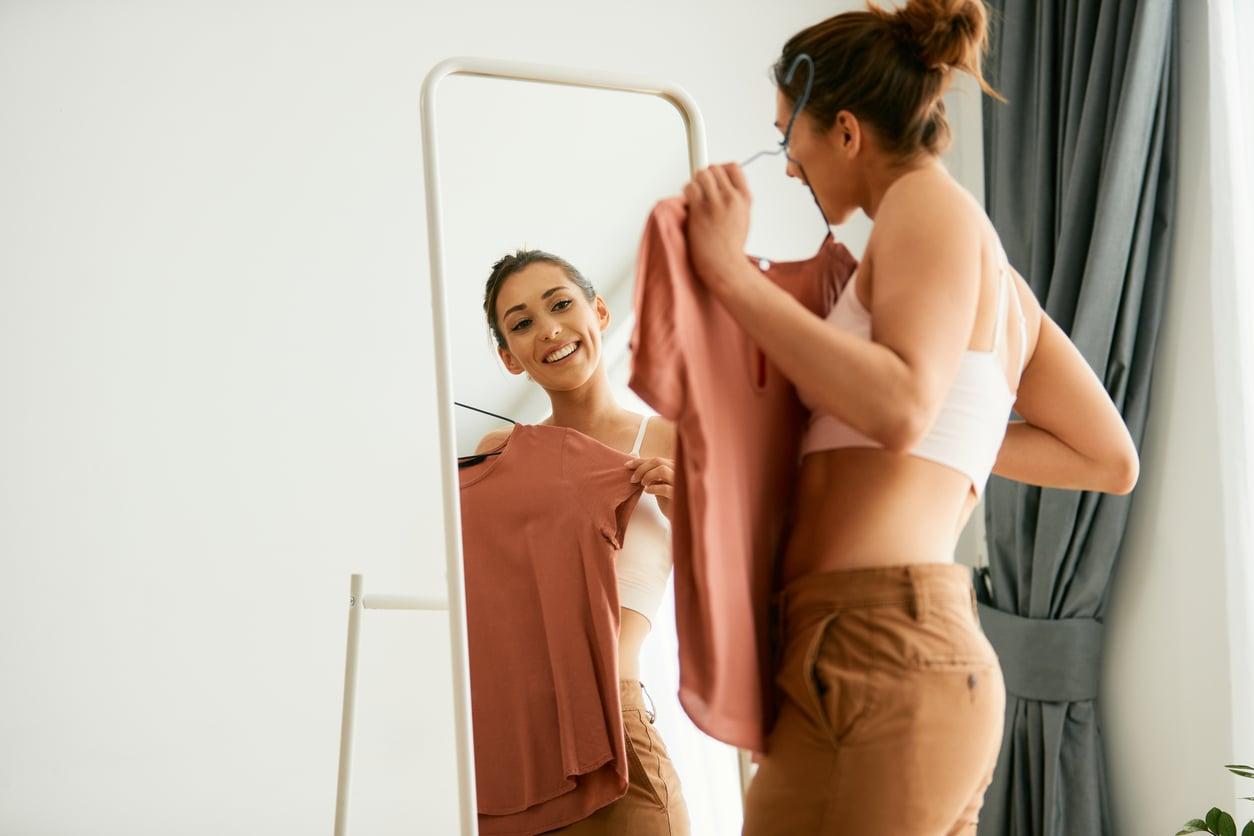
Have you ever gone to two similar situations wearing different outfits — and been treated completely differently? Served faster, taken more seriously, or on the flip side, quietly overlooked? It probably had nothing to do with what you said or how you said it. It had everything to do with what you were wearing. And that's not a superficial observation — it's psychology. Before you speak a single word, people have already formed an impression of you. Your clothes got there first.
You never get a second chance at a first impression
Research consistently shows that people form judgments about others in less than ten seconds — decisions about trustworthiness, competence, and likability that are remarkably hard to reverse. Those snap judgments are built from a combination of facial expression, posture, and clothing. And clothing carries particular weight, because it instantly signals status, intentionality, and how seriously someone is taking a given situation.
A well-dressed person in a meeting almost automatically commands more authority than the same person in a sloppy outfit. At a job interview, your appearance can seal the first impression before you've even sat down. That may feel unfair — but it's real. And once you know it, you can use it deliberately.
The silent language of color
Color is never neutral. Dark, restrained tones project authority and confidence. Pastels and lighter shades make you appear more approachable and open. Red communicates power and boldness; white suggests clarity and simplicity. These aren't random associations — they're deeply embedded cultural signals that operate whether anyone is consciously thinking about them or not.
This doesn't mean you should always reach for black when you want to be taken seriously. It means it's worth being intentional about your choices and reading what each situation calls for. In a relaxed, creative environment, overdressing can isolate you just as much as underdressing does in a formal boardroom. The goal isn't a uniform — it's awareness.
What you wear changes how you think and feel
The psychology of clothing isn't only about how others perceive you. There's a well-documented phenomenon called enclothed cognition — the idea that what you wear directly influences your own mindset and performance. People who dress more formally before sitting down to work tend to think more sharply and feel more confident. People who put on activewear feel more energized and motivated to move.
Clothing communicates inward as much as it does outward. What you put on in the morning quietly shapes the kind of day you're going to have.
It's a small shift with a surprisingly large effect. If you've ever noticed that you feel more focused in a neat outfit or more sluggish in yesterday's loungewear, that's not your imagination — that's your brain responding to the cues your clothes are sending it.
The detail that makes the biggest difference
The most powerful message your outfit sends isn't about style or price — it's about care. A clean, well-fitted, occasion-appropriate outfit leaves a stronger impression than an expensive piece that's wrinkled, ill-fitting, or out of place. People instinctively pick up on whether someone made an effort to show up well — even if they can't articulate exactly why.
This is not a question of budget — it's a question of attention. And it's the one thing you can improve most dramatically without buying a single new item.
A lot of people dismiss dressing well as something shallow, arguing that what matters is on the inside. That's true — but the two aren't mutually exclusive. What you wear shapes how people approach you: in a negotiation, on a date, in a chance encounter. And often, it shapes how you approach yourself. The most stylish people don't dress with intention because they're ruled by others' opinions. They do it because they understand that appearance is a tool — and a tool worth using well.