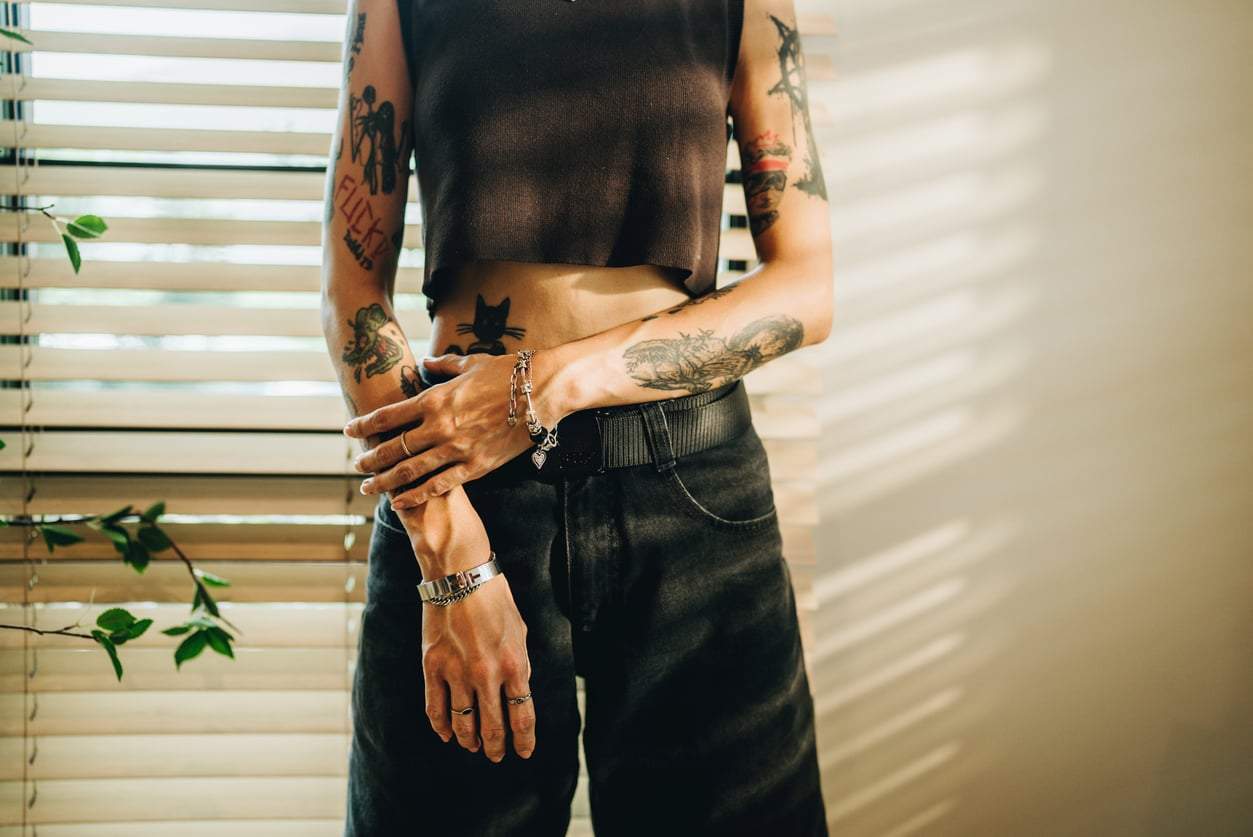
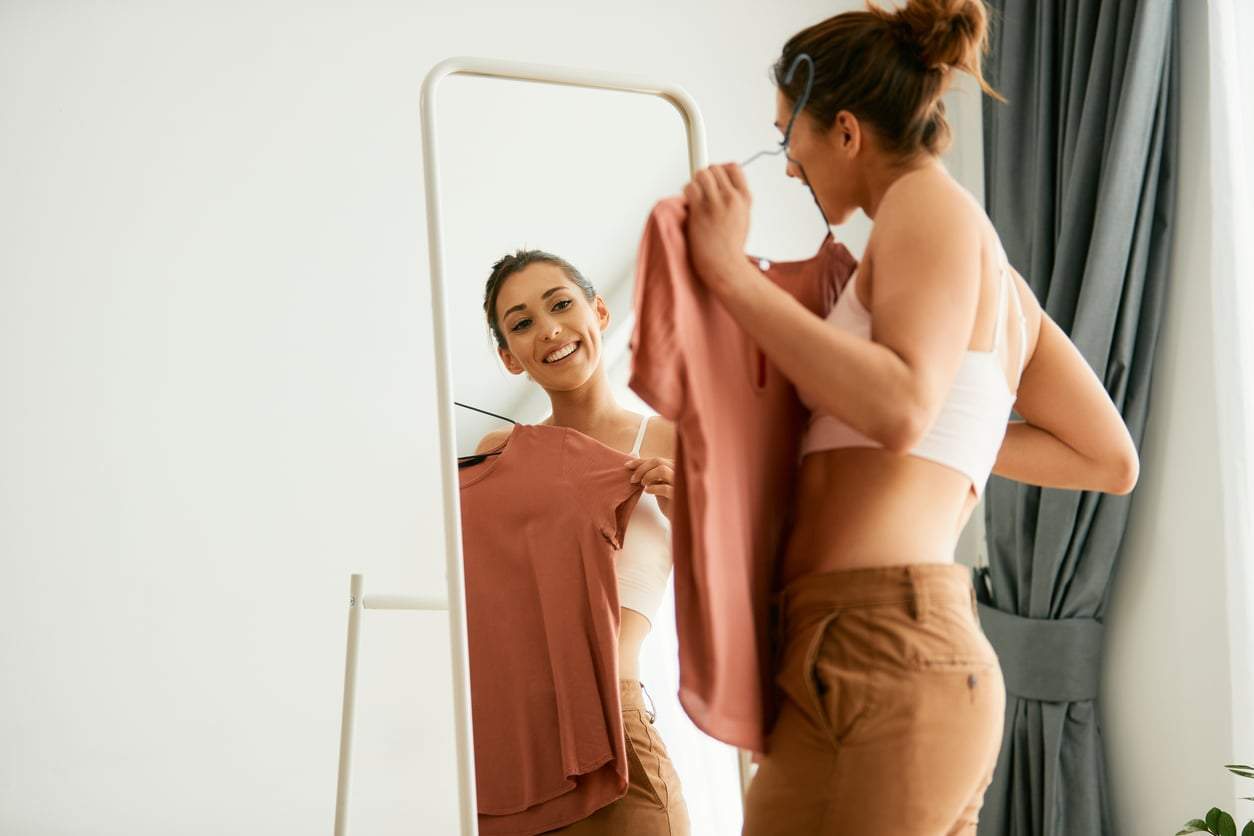
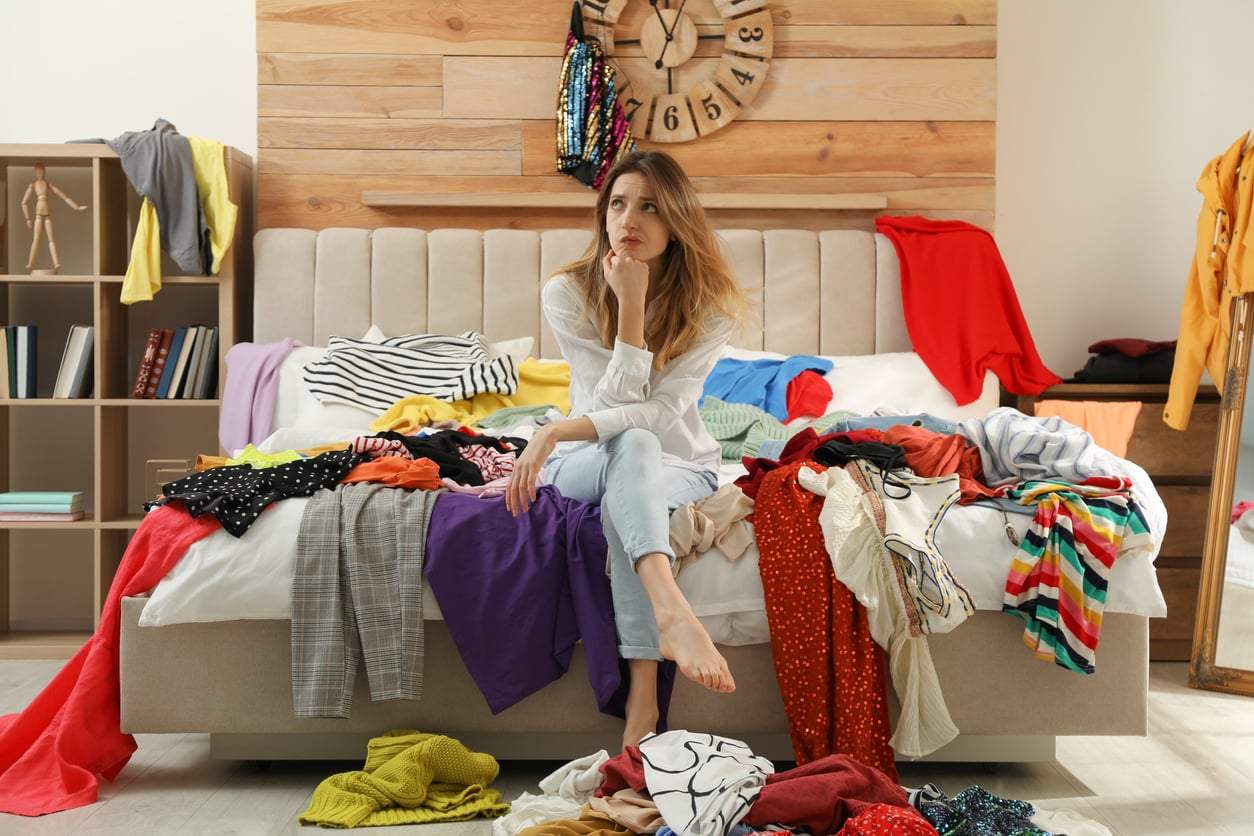
Over the past few years, the desire to disappear has quietly moved into our wardrobes. Not in a dramatic way, but gently. Loose fits, neutral colors, no logos. It’s as if we collectively decided not to send any messages today. Fashion has softened. And that’s no coincidence.
The Fatigue of Standing Out
For a long time, dressing was all about being seen. Not just putting on clothes, but communicating taste, status, and being up-to-date. Behind statement pieces and trend awareness often lay a quiet pressure to prove ourselves. Every outfit sent a message about who we are—or who we want to be. But over time, that became exhausting. Constant self-presentation doesn’t free us; it wears us down.
In this sense, low-key dressing isn’t just an aesthetic choice, but a mental response—a step back from over-the-top presence.
The Aesthetic of Silence
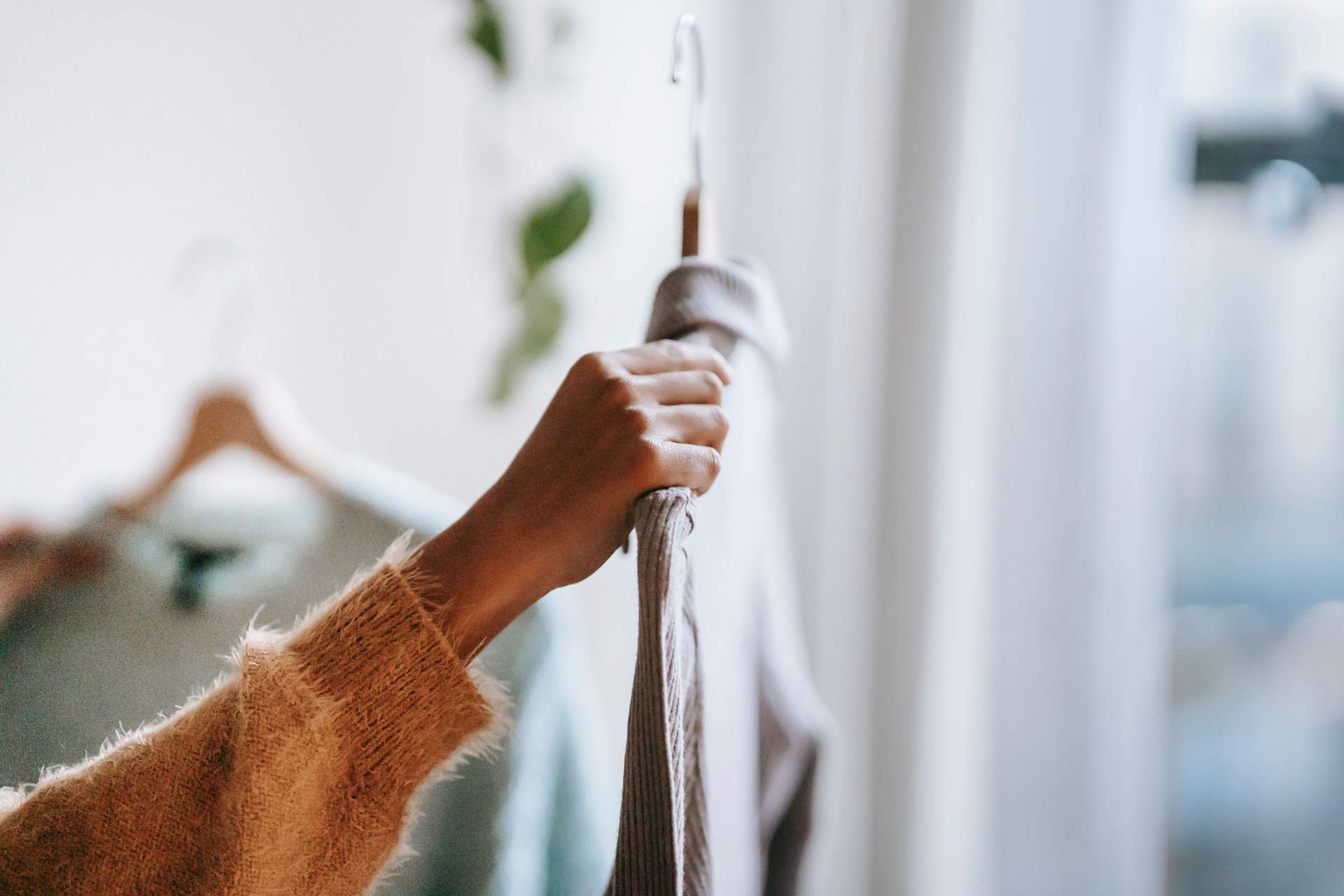
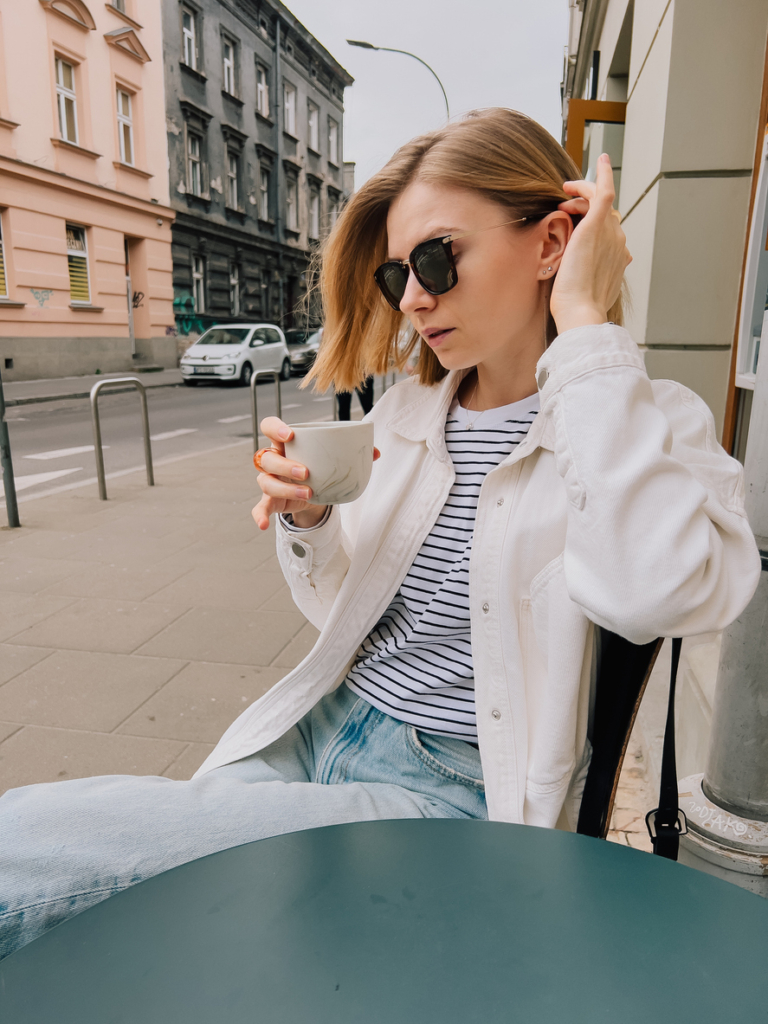
Low-key fashion doesn’t mean indifference. Quite the opposite. Good tailoring, quality fabrics, thoughtful proportions—just without the exclamation marks. This style doesn’t chase trends, yet it’s become one. It doesn’t shout status, yet it radiates confidence. It’s like saying: I’m okay with myself; I don’t need loud validation. Minimalism and the so-called “silent luxury” meet everyday reality here.
Invisibility as a Strategy
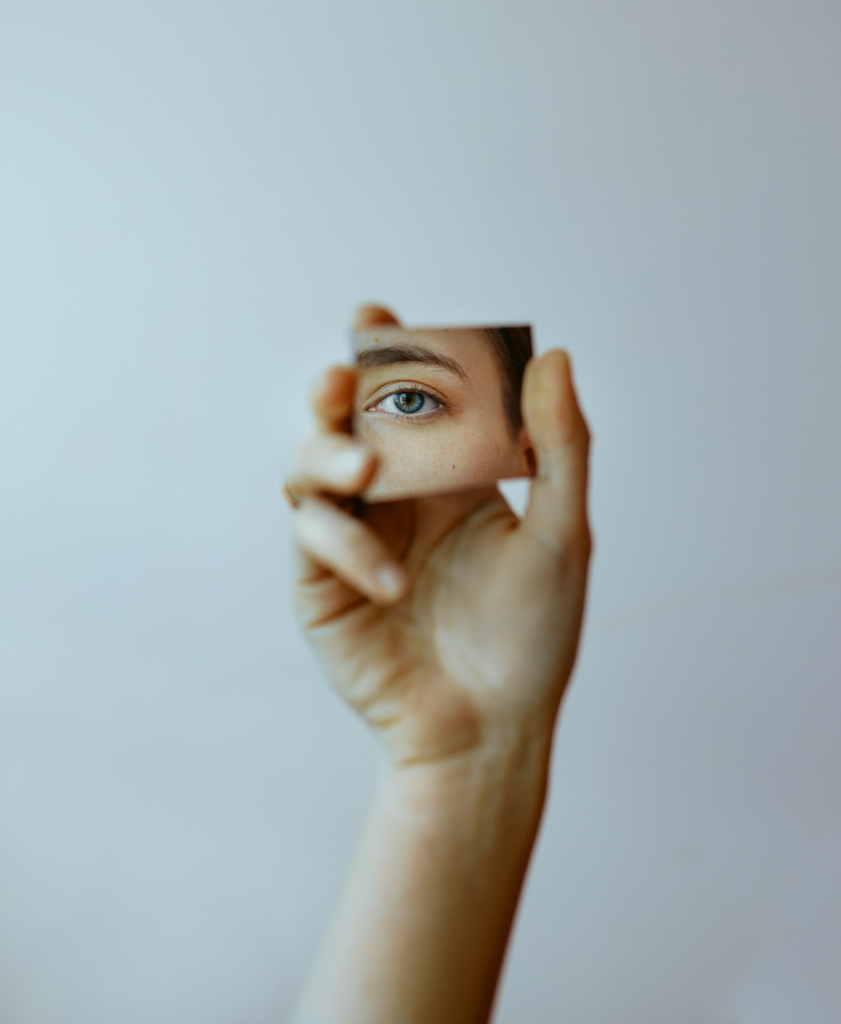
This phenomenon has a psychological side too. The world is noisy—everyone has opinions, everyone watches, everyone judges. In this environment, a restrained appearance can be a shield. If I don’t draw attention, there are fewer reactions, fewer expectations. Neutral dressing isn’t passivity; it’s control. I decide when to step forward. Clothes become less about self-expression and more about boundaries.
A Generational Mood, Not Just a Trend
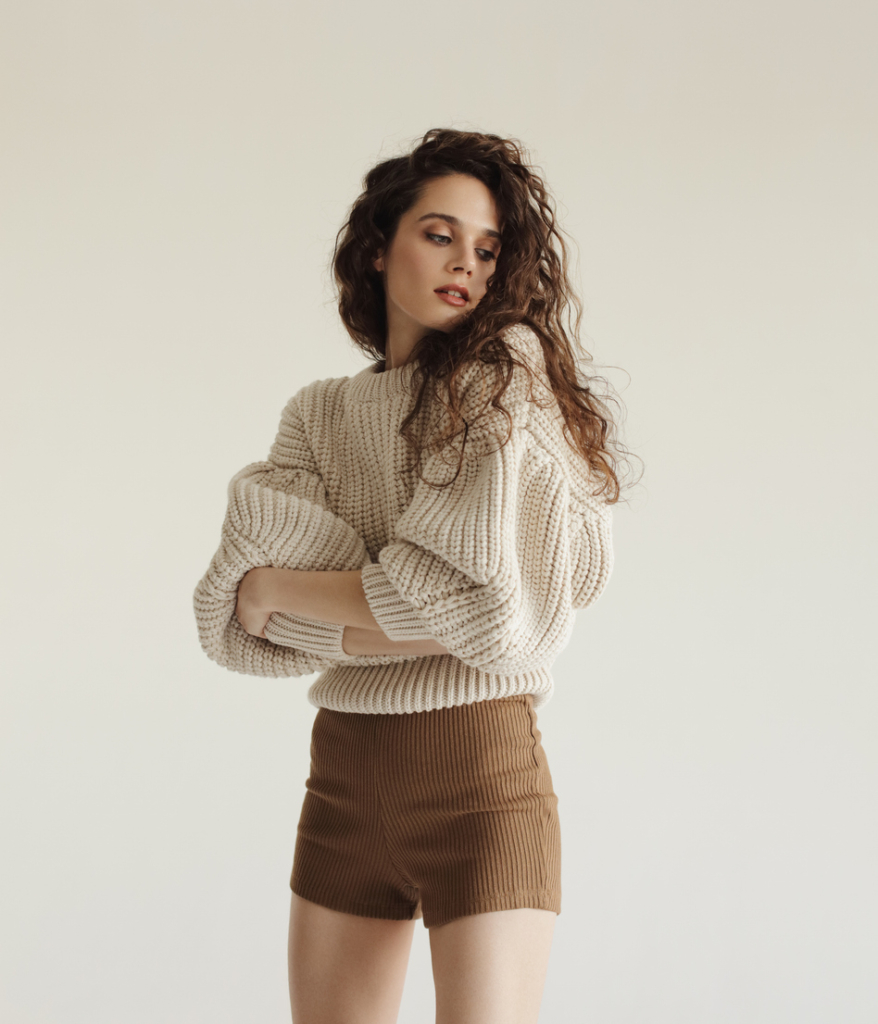
This isn’t just another fashion wave—it’s the vibe of an era. Uncertainty, overwhelm, and constant information noise have created a space where standing out isn’t always the goal. When everyone is always visible, visibility loses its value. For younger generations, style is less about status and more about self-protection. Comfort isn’t just physical; it’s mental too, easing the pressure to conform. When someone says, “I don’t want to be seen,” it’s often not about disappearing but a subtle resistance to outside expectations.
So, Are We Hiding or Showing Up?
Of course, hiding has become recognizable too. Monochrome outfits, oversized silhouettes, and logo-free looks are now clear style codes.
Invisibility has become visible.
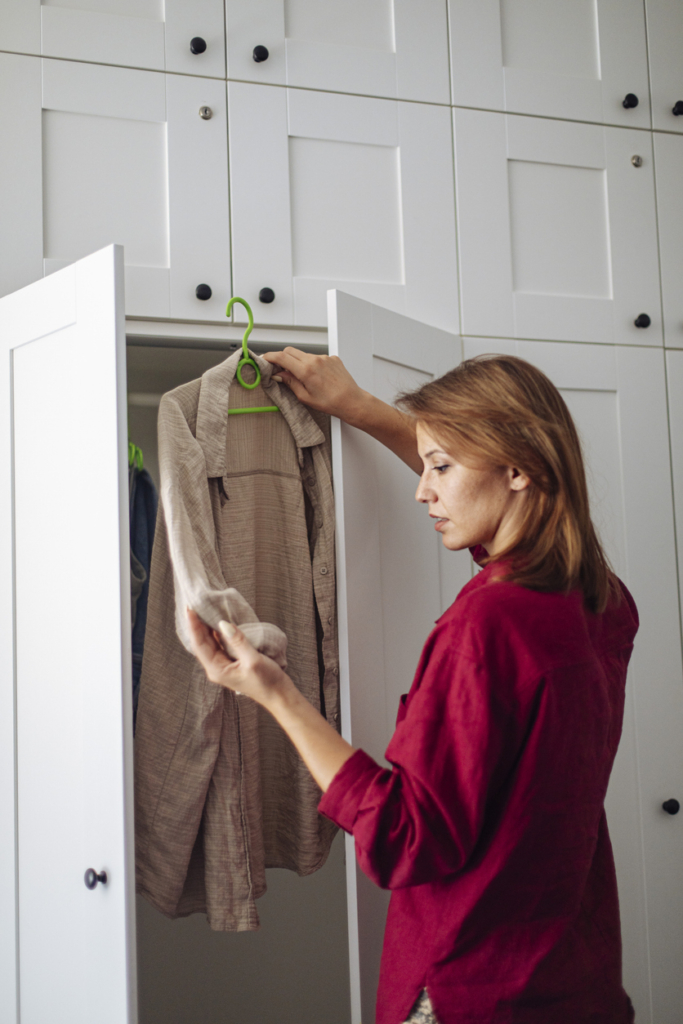
But maybe the goal isn’t to disappear—it’s freedom. The freedom not to always react, prove, or send a message. Low-key fashion isn’t giving up on style; it’s a new agreement with ourselves. Not every day needs to speak to the outside world. Sometimes, it’s enough that we feel good in what we wear. Maybe this is less about disappearing and more about managing our energy. About not having to turn our attention outward every morning or make a visual statement about the world daily. Quiet dressing opens space for other things to take center stage—our thoughts, our work, our true presence. We don’t dress like this because we don’t want to be seen, but because we finally decide when we do.