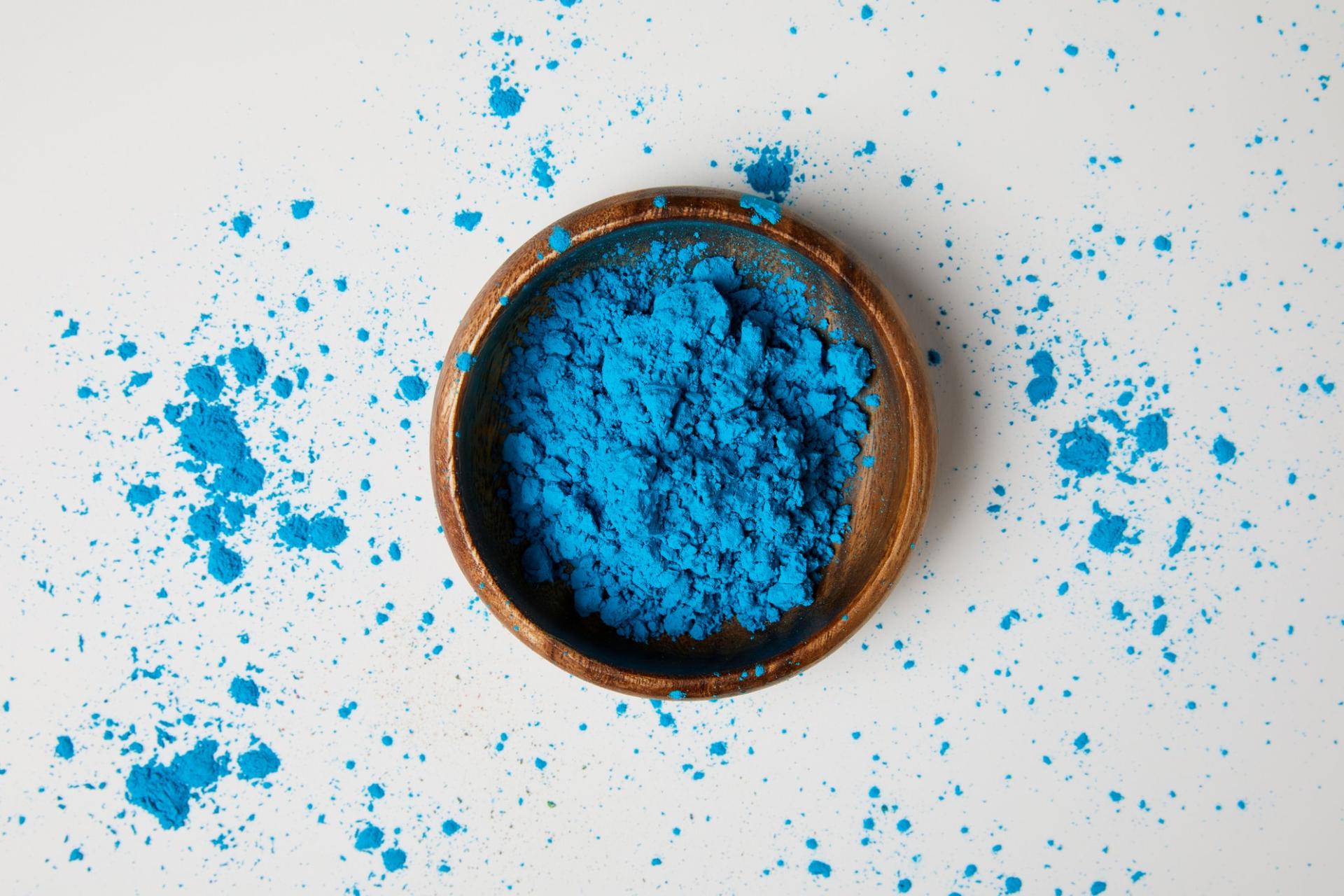
The Maya civilization, which flourished in what is now Mexico and Central America, created a truly unique shade known today as Maya Blue. This pigment stands out not only for its vivid color and beauty but also because it has withstood centuries of weather, moisture, and acidic exposure—all without modern chemistry tools.
Blue Was a Special Challenge in Ancient Times
Blue is rare in nature. While the sky and water appear blue, their color comes from light reflection or scattering—not actual pigments. Ancient people searching for blue pigment often had to rely on costly, hard-to-find sources like ultramarine made from lapis lazuli, imported from Afghanistan to Europe.
Yet, the Maya developed an incredibly durable, vibrant blue that has fascinated archaeologists and chemists for centuries.
The Origin of Maya Blue: A Sacred and Scientific Breakthrough
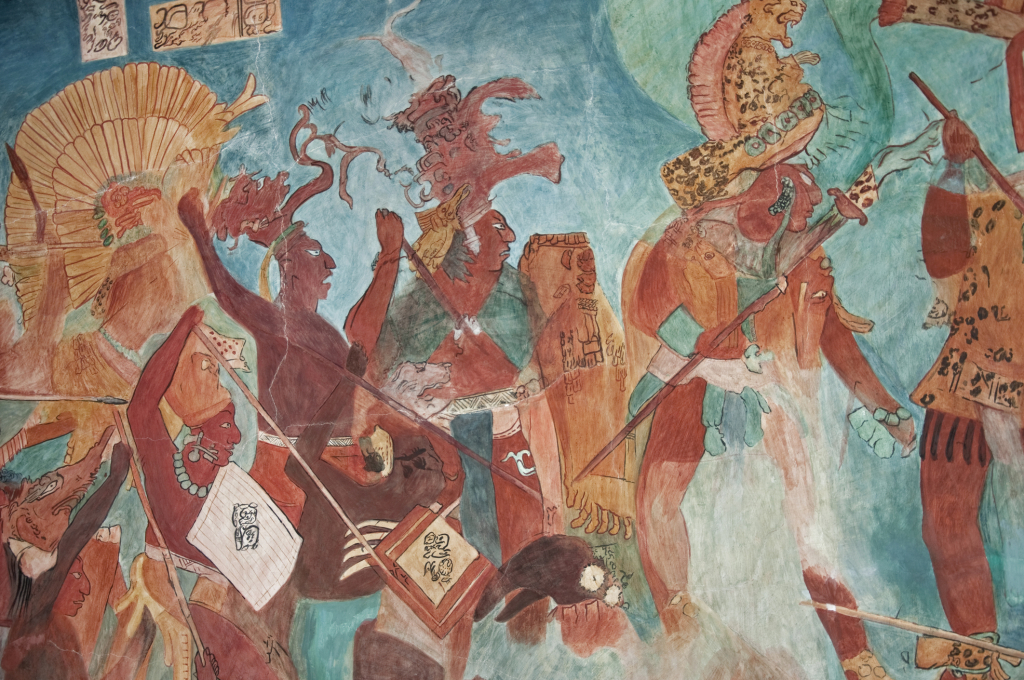
Maya Blue wasn’t just an artistic tool; it played a vital role in religious ceremonies. The pigment adorned temple walls, pottery, and even sacrificial rituals, where victims’ bodies were painted with this special blue—connecting the color directly to the divine and the spiritual world.
Behind its creation was impressive technological knowledge. Maya Blue combined two main ingredients: indigo plant dye and a local clay mineral called palygorskite. The real secret was how these materials were fused into a stable, lasting pigment.
A Chemical Marvel Powered by Nature
The pigment was made by heating. The Maya likely used slow, low-temperature firing to bond indigo with palygorskite. This process locked the pigment into the clay’s structure, creating a material that’s not only beautiful but incredibly resilient.
This technique predates modern synthetic pigments by thousands of years. Ceramics and murals decorated with Maya Blue still retain their original color despite exposure to heat, moisture, and acids—unlike many other ancient pigments that have faded or vanished over time.
The (Re)Discovery of Maya Blue
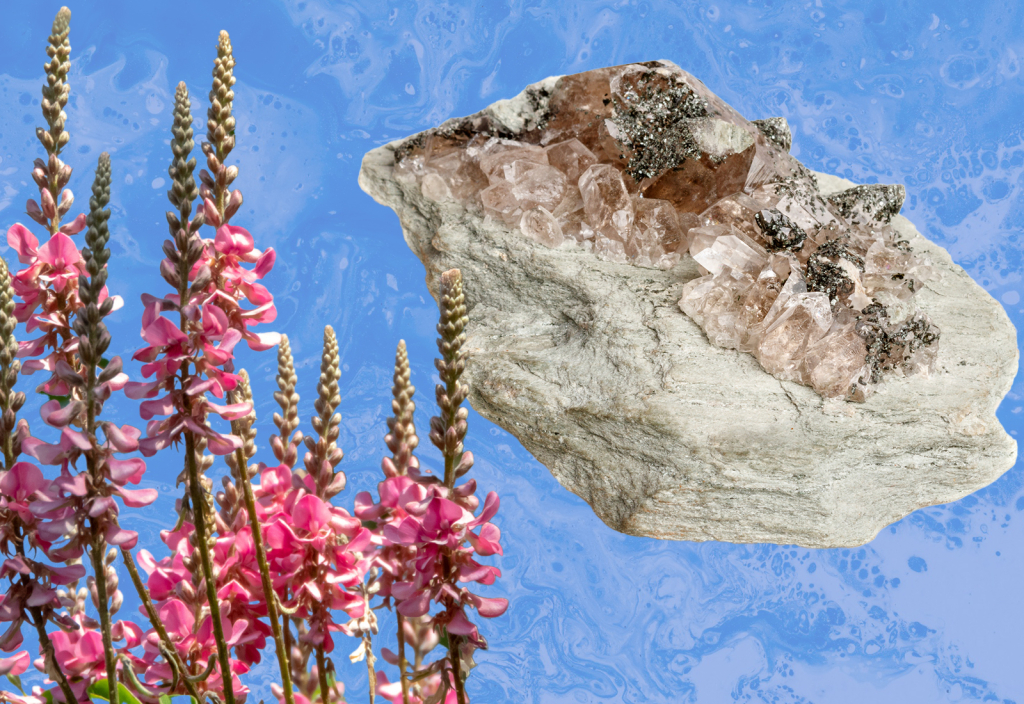
The exact composition of the pigment remained a mystery for a long time. While archaeologists and art historians suspected indigo was involved by the mid-20th century, palygorskite’s role wasn’t confirmed until modern spectroscopic methods identified the materials and their bonding.
This discovery is not only a scientific milestone but also inspires those interested in sustainable, natural pigments. Maya Blue points toward a new wave of durable, nature-based colorants.
Symbolism and Legacy
In its time, Maya Blue was valued not just for its beauty but for its meaning. Blue symbolized water, sky, rain, and the gods. In this cultural context, color was more than decoration—it was a language expressing worldview, faith, and connection to the divine.
Today, rediscovering this ancient color reveals not only a technical marvel but also a worldview where nature, belief, and human creativity are deeply intertwined.