Op-ed by Borka Schuster
It's hard to argue that self-love isn't important. In fact, it might be one of the most valuable things we can ever give ourselves. The ability to be patient and understanding not just with others, but with ourselves too, can literally change your life. Learning to value your wins, forgive your mistakes, and stop measuring your worth by your productivity alone might be one of the great goals of being human.
Lately, though, I keep feeling like something has gone wrong. It's not enough that self-love is something most of us never learned as children and now have to figure out as adults. On top of that, self-love has turned into an entire industry. A massive market selling us books, courses, workshops, supplements, journals, apps and lifestyle programs. The message looks positive on the surface: take care of yourself.
The problem is that these ads often imply one thing: if you don't buy this too, you haven't cared enough.
There's always one more habit to pick up. One more morning routine. One more vitamin. One more course. One more method that promises to make you a better, more mindful, healthier, more productive, more balanced version of yourself.
The trap we walk right into
And while we're trying to grow in the name of self-love, we don't even notice that we're walking straight into a trap. Because these companies don't actually want us to feel good and never need them again. Their goal is for us to keep longing for a promised better state, and to keep paying for it.
I was caught up in it for a long time too. I read the books, listened to the podcasts, followed the experts and the influencers. Everywhere I looked, there was something else to improve. I could be a more mindful mother. A more efficient employee. A fitter woman. A calmer person. A better partner. More organized, healthier, more balanced.
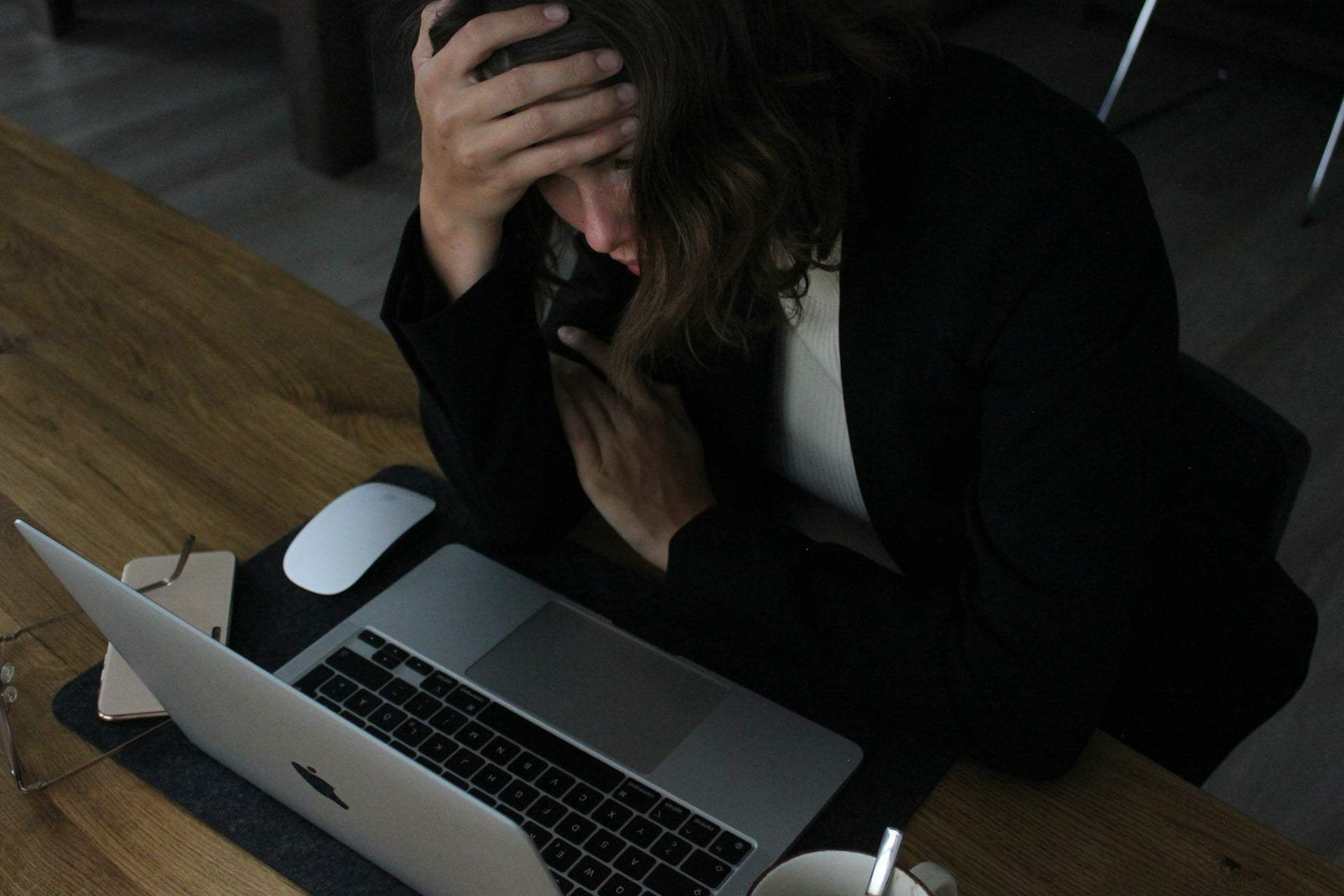
At first it felt inspiring. Then, at some point, I realized I wasn't growing anymore — I was just beating myself up. Every new piece of advice reinforced the idea that something was missing. That I was doing something wrong. That somewhere, I still wasn't enough.
When I was sad, I immediately wanted to fix myself. When I was disappointed, I went looking for the technique that would get me over it faster. When I was tired, I started wondering which new habit I was still missing that would finally leave me rested.
And yet it's completely fine to feel sad for a few days. To feel disappointed. To feel drained. Not every bad feeling is an error message that needs fixing right away. Sometimes they're simply human responses to whatever is happening to us.
But the self-love industry often operates as if the very existence of negative emotions were a problem. As if the goal were to feel good all the time.
Except life doesn't work that way
Self-love doesn't mean having a smile frozen on your face. It means letting yourself feel every emotion — the good and the bad — while trusting that you're resilient enough to climb out of the low moments too.
It took me a while to realize that, despite what the influencer posts say, there's nothing wrong with not taking eight different vitamins and supplements. That I can happily settle for making it to the gym twice a week between work and motherhood, without guilt for not counting my protein intake to the gram or keeping up with the latest fitness trends.
It took time to get here, but for me self-love is no longer another project to manage. It's much more about recognizing that I'm already good enough. That I can have bad days, shortcomings, half-finished plans and imperfect habits without having to see myself as someone who constantly needs fixing.
Growth is a good thing, and if you find something that genuinely helps you grow, that's wonderful. But the real goal should be this: to realize that we're already enough. Even without one more app or one more supplement.
Is self-love the same as always feeling positive?
No. According to this article, real self-love means allowing yourself to feel every emotion, including sadness and disappointment, while trusting that you're resilient enough to move through them.
Why can the self-love industry make you feel worse?
Because much of it is built on selling you a "better" version of yourself. Each new product or habit can subtly reinforce the idea that something is missing and you're not enough yet.
Does this mean self-improvement is bad?
Not at all. The article makes clear that growth is a good thing, and finding tools that genuinely help you is wonderful. The problem starts when improving turns into constantly criticizing yourself.
How do you know you've slipped from growth into self-criticism?
A telling sign is when every new tip leaves you feeling like something is wrong with you, rather than helping you. That's the moment the writer realized she wasn't growing anymore — she was just beating herself up.