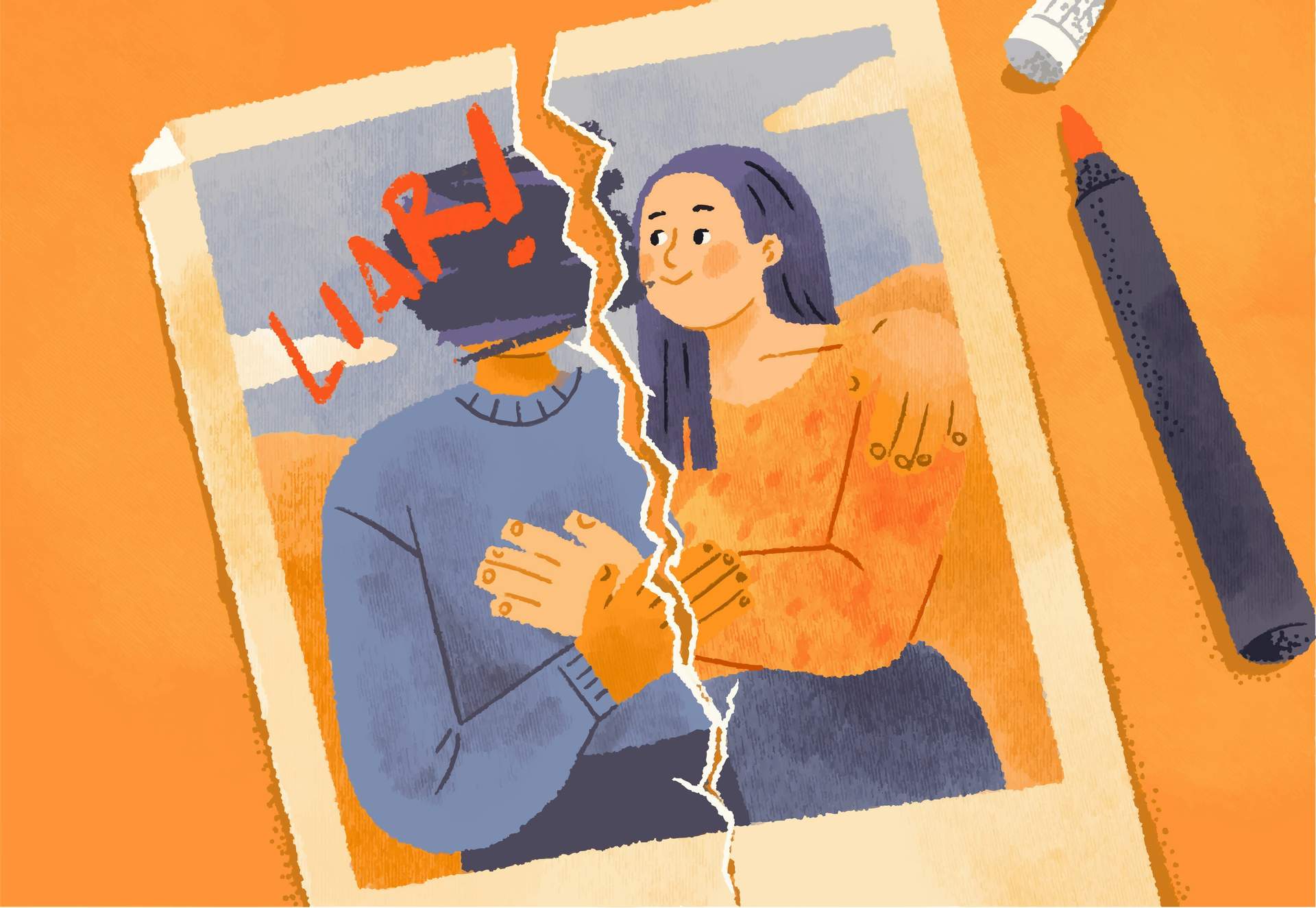
You've probably met someone like this. Life hits them hard — a loss, a failure, a season of pure uncertainty — and yet somehow they find their footing again, regroup, and keep moving forward.
It's not because trouble skips over them. And it's not because they feel things less than the rest of us. The real difference often comes down to one thing: how they process the hardest moments.
According to recent research, a big part of that comes from resilience — your psychological ability to bounce back. It's what keeps stressful periods from sweeping you away, and instead helps you adapt and move on.
The best part? Resilience isn't just something you're born with. With the right practice, it can be built.
What researchers discovered about resilience
In a recent small-scale study, 82 participants worked through thinking and decision-making tasks while researchers tracked their brain activity. The goal was to understand how the brain processes positive and negative information — and how that might connect to the way we cope with stress.
The results were telling. People with higher resilience were less likely to let negative information completely take over their decisions, according to Women's Health. That doesn't mean they ignored the bad stuff. It means they were simply better at controlling how much it affected them.
Researchers suggest this ability is linked to how well someone can spot opportunities, solutions, or a way forward in the middle of a difficult situation.
Resilience doesn't mean always being strong
A lot of people assume that mental strength means never breaking down, staying positive no matter what, and handling every problem with ease. Psychologists say that's a myth.
According to Dr. Thea Gallagher, resilience is really about being able to adapt and recover after stress, loss, uncertainty, or failure.
Resilient people still feel sadness, disappointment, fear, and anxiety just like everyone else. The difference isn't the absence of those feelings — it's that the feelings don't paralyze them for the long haul. They can accept hard emotions, adjust to changed circumstances, and slowly start moving forward again.
According to the expert, resilience is far more about emotional flexibility than simple "toughness."
Why a more balanced mindset helps in hard times
One of the study's more interesting findings? The brains of highly resilient people didn't necessarily react more strongly to positive things. Instead, they showed greater activity when processing negative information — specifically in the regions responsible for attention, self-control, and making sense of what's happening.
In other words, these people aren't simply "seeing the world through rose-colored glasses." They're better at managing negative thoughts. They don't let a single bad experience define how they view an entire situation.
Take a meeting at work that goes badly. Instead of spiraling into "nothing ever works out for me," they're more likely to think: "That was tough, but I got through it, and I can learn something from it."
How to actually build resilience
Some people naturally adapt to change more easily than others. But the good news bears repeating: resilience can be developed.
Psychologist Dr. Hillary Ammon points out that the basics of your daily lifestyle play a huge role in strengthening your mental health.
It also helps to consciously shift your inner dialogue. After a hard moment, try to steer away from sweeping thoughts like "bad things always happen to me," and reach for something more realistic instead: "That was hard, but I was able to get through it."
Even small challenges can strengthen you
Resilience doesn't appear overnight. Like a muscle, it's something you build gradually.
According to Dr. Gallagher, taking on small, manageable challenges helps you learn a powerful lesson: that you're capable of handling difficulty. Having an uncomfortable conversation, trying something new, setting a boundary, or taking a thoughtful risk — each of these can grow your confidence in yourself.
The goal isn't to never feel fear or uncertainty. It's to be able to act anyway, even when those feelings are present.
Naming your emotions is the first step
A key part of building resilience is learning to recognize and name what you're feeling.
When you can pinpoint that you're disappointed, overwhelmed, angry, or unsure, it becomes far easier to respond in a healthy way. Becoming aware of your emotions helps you catch the early signs of tension — so you can take care of yourself before stress fully takes over.
Hard times aren't always avoidable — but coping can be learned
Life will hand you difficult seasons: change, loss, failure, uncertainty. Mental strength doesn't mean none of it touches you.
What resilience does is help you keep your ability to make decisions even in the thick of it — to learn from what you've been through, and to find your way forward.
Can resilience really be learned, or are you just born with it?
While some people naturally adapt to change more easily, resilience is a skill that can be developed with practice. Everyday habits and mindset shifts play a major role in strengthening it over time.
Does being resilient mean you never feel upset?
No. Resilient people still experience sadness, fear, and disappointment. The difference is that those feelings don't paralyze them long-term — they can accept the emotions, adapt, and keep moving forward.
What daily habits support resilience?
Good sleep, balanced nutrition, and regular movement all provide a steadier foundation during stressful periods. Adjusting your inner dialogue toward more realistic thoughts also helps.
Why does naming your emotions matter?
When you can clearly identify what you're feeling, it's easier to respond in a healthy way and to notice early signs of tension — so you can take care of yourself before stress fully takes over.