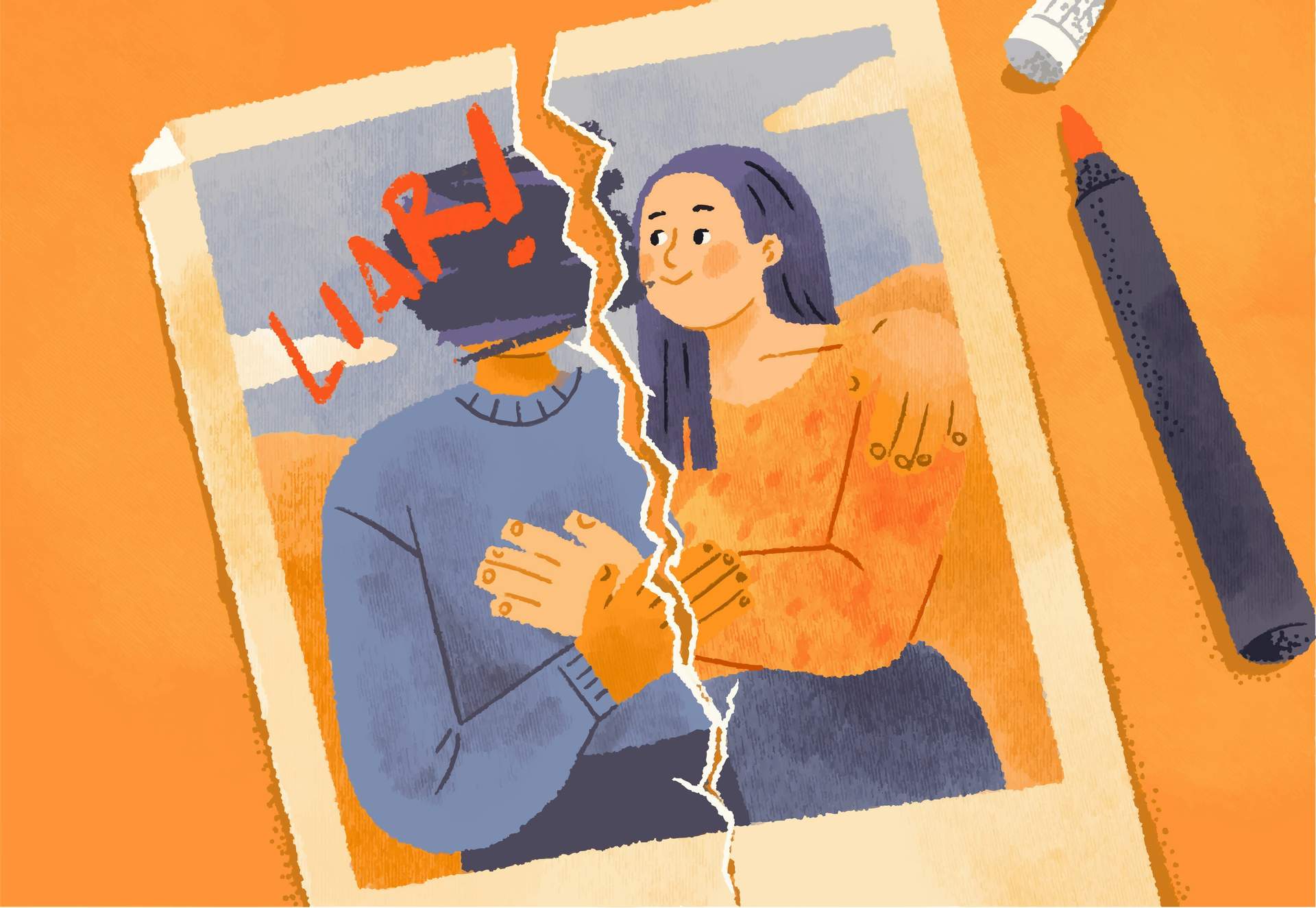
A truly toxic boss doesn't just make your job harder — they make you question yourself. And based on the stories readers have shared with us, these kinds of managers are far more common than most people would like to admit.
The three women below all worked under different bosses, in different industries. But their experiences share a familiar thread: the slow erosion of boundaries, the creeping feeling that something is deeply wrong, and the moment they finally decided enough was enough.
"He called me at 7 a.m. on a Sunday and screamed at me"
Nora, 31, worked at a small marketing agency when a new manager took over her team. At first, she actually liked him.
"He was energetic, confident, and genuinely seemed to know his stuff. It took a while before I realized that for him, nothing could ever wait until Monday."
It started with late-evening messages. Then weekend emails. Before long, Nora felt like she had to be available around the clock. The breaking point came on a Sunday morning.
"It was 7 a.m. My phone rang and it was him. I picked up thinking it was an emergency. Instead, he started screaming at me because the images in a presentation I'd sent on Friday were in the wrong order."
Nora tried to calmly explain that she understood the mistake — but the presentation wasn't even being reviewed until Monday afternoon, so fixing the images could easily wait until Monday morning.
"He told me that if I couldn't keep up with his pace, I should find another job."
The next morning, Nora went into the office and handed in her resignation.
"Not because I couldn't handle criticism. But because I realized I was working for someone who believed that my paycheck entitled him to my entire life."
"He wanted everyone to be afraid of him"
Kata, 38, worked at a larger company where her boss had a well-known reputation for being "tough." At first, her colleagues treated it as just part of the culture.
"Everyone said you just had to survive the first year and then you'd get used to it. I told myself it was just his management style."
But the issue wasn't toughness — it was humiliation. He regularly shamed employees in front of others.
"Once, in a meeting, someone misread a row in a spreadsheet and gave the wrong number. The boss spent five full minutes sarcastically explaining how to put your finger on the screen if you can't follow what you're reading. In front of everyone."
Kata stayed silent for a long time, afraid to lose her job. Then one day, it happened to her — she entered a figure in the wrong column of a report.
"He called me into his office, closed the door, and told me that if I made one more mistake, he would make sure I never found work anywhere else."
That was the moment Kata decided to leave.
"I knew he was wrong. I knew I was good at my job and that I'd be valued somewhere else. That threat wasn't really about a data entry error — it was about control."
A few months after resigning, Kata started a new job. The strangest moment came when her new manager pointed out a small mistake — and Kata burst into tears.
"That's when I understood how much stress I'd been carrying. And how different it feels to work in a normal environment, with people who are actually on your side."
"He assigned me tasks while I was on vacation"
Réka, 27, worked at an accounting firm where the workload crept up so gradually she almost didn't notice. There were no blowups or dramatic confrontations — just a slow, quiet suffocation.
"He always framed it as if it was nothing. 'Just take a quick look at this.' 'Send this over before you go to sleep.' 'Since you're already in there, you may as well handle this too.'"
Réka completed every extra task without question, telling herself she was proving her worth.
Then she took a week off.
"On the first morning of my vacation, an email arrived with six tasks. The subject line said: 'Urgent.'"
Réka didn't reply. That afternoon, her boss called to ask why she wasn't working.
"I told him I was on vacation. He said that in a position with this level of responsibility, you can't just disappear."
It was the first time Réka said out loud that this wasn't okay.
"There was no big scene. I didn't quit on the spot or raise my voice. I just came back from vacation and started looking for another job."
Three months later, she resigned.
"The hardest part was convincing myself that I wasn't lazy for not wanting to work after hours. The problem wasn't that I was too sensitive — the problem was a workplace that didn't respect boundaries."
Is your boss crossing the line?
All three of these women eventually reached the same conclusion: the situation wasn't about their performance. It was about a boss who had confused authority with ownership — over their time, their energy, and their sense of self-worth.
If any of these stories feel uncomfortably familiar, it may be worth asking yourself not just how to cope, but whether it's time to stop coping altogether.
Frequently asked questions
How do you know when a boss is truly toxic — not just strict?
A strict boss sets high standards but still respects your time and dignity. A toxic boss uses humiliation, threats, or the expectation of constant availability as tools of control — the way the managers in these stories did.
Is it normal to feel guilty for not responding to work messages on vacation?
No — and that guilt is often manufactured by a workplace culture that doesn't respect boundaries. As Réka's story shows, that feeling is a sign something is wrong with the environment, not with you.
Can a toxic work environment affect your mental health even after you leave?
Yes. Kata's experience — bursting into tears when a normal manager gave constructive feedback — illustrates how deeply prolonged workplace stress can affect a person, even once they're in a healthier situation.
What should you do if your boss threatens your future career prospects?
As Kata realized, such threats are almost always empty and designed to create fear. Recognizing the threat as a control tactic — rather than a realistic warning — was what gave her the clarity to leave.