If you've ever stared at the ceiling at 2 a.m. wishing sleep would just come, the answer might already be in your kitchen. Certain foods gently nudge your body toward rest — calming a racing mind and helping you drift off faster.
None of these are magic pills. But eaten in the evening, they can support deeper, more restorative sleep, so you wake up feeling clearer instead of groggy. Here are seven worth reaching for tonight.
Almonds: nature's little sleep aid
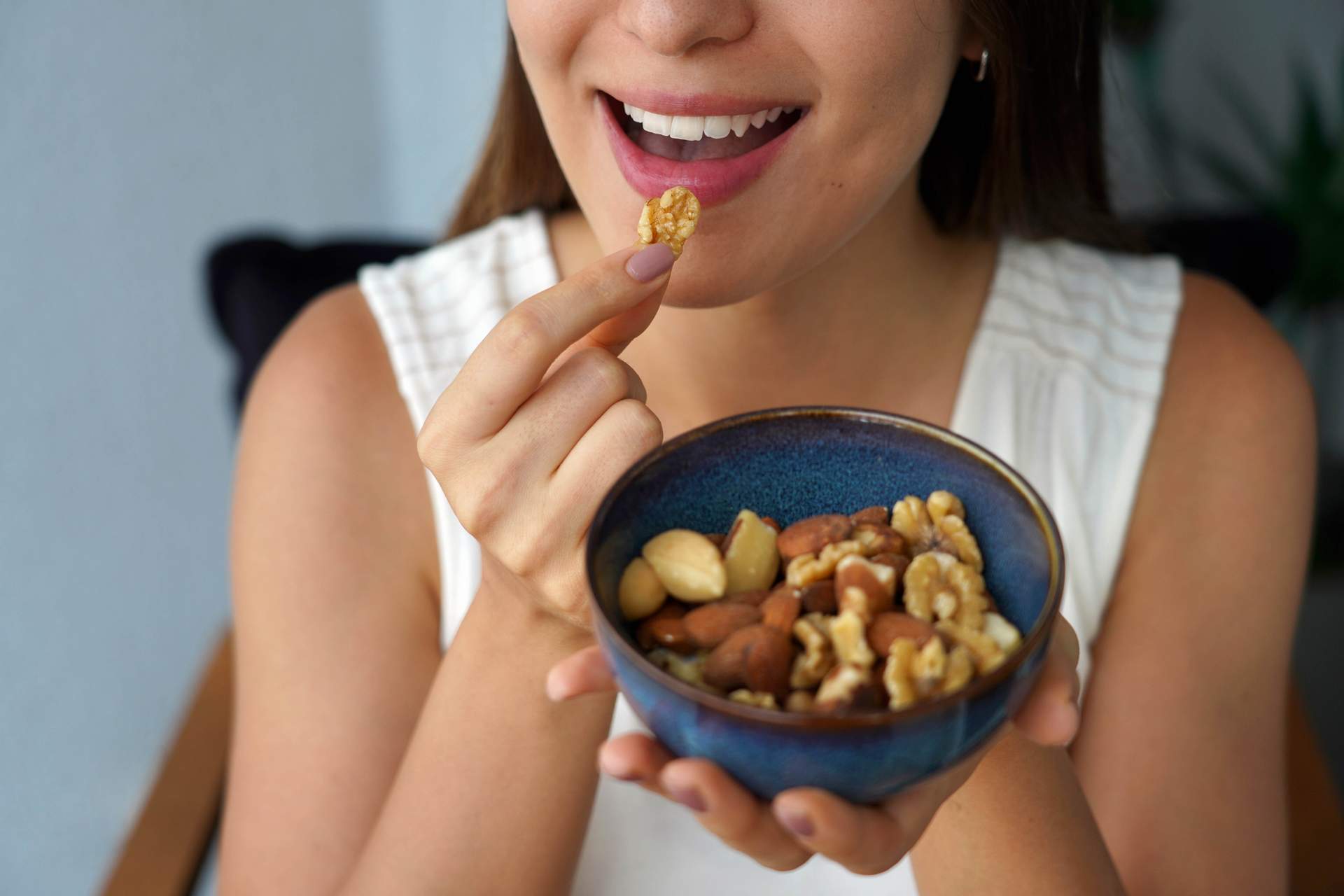
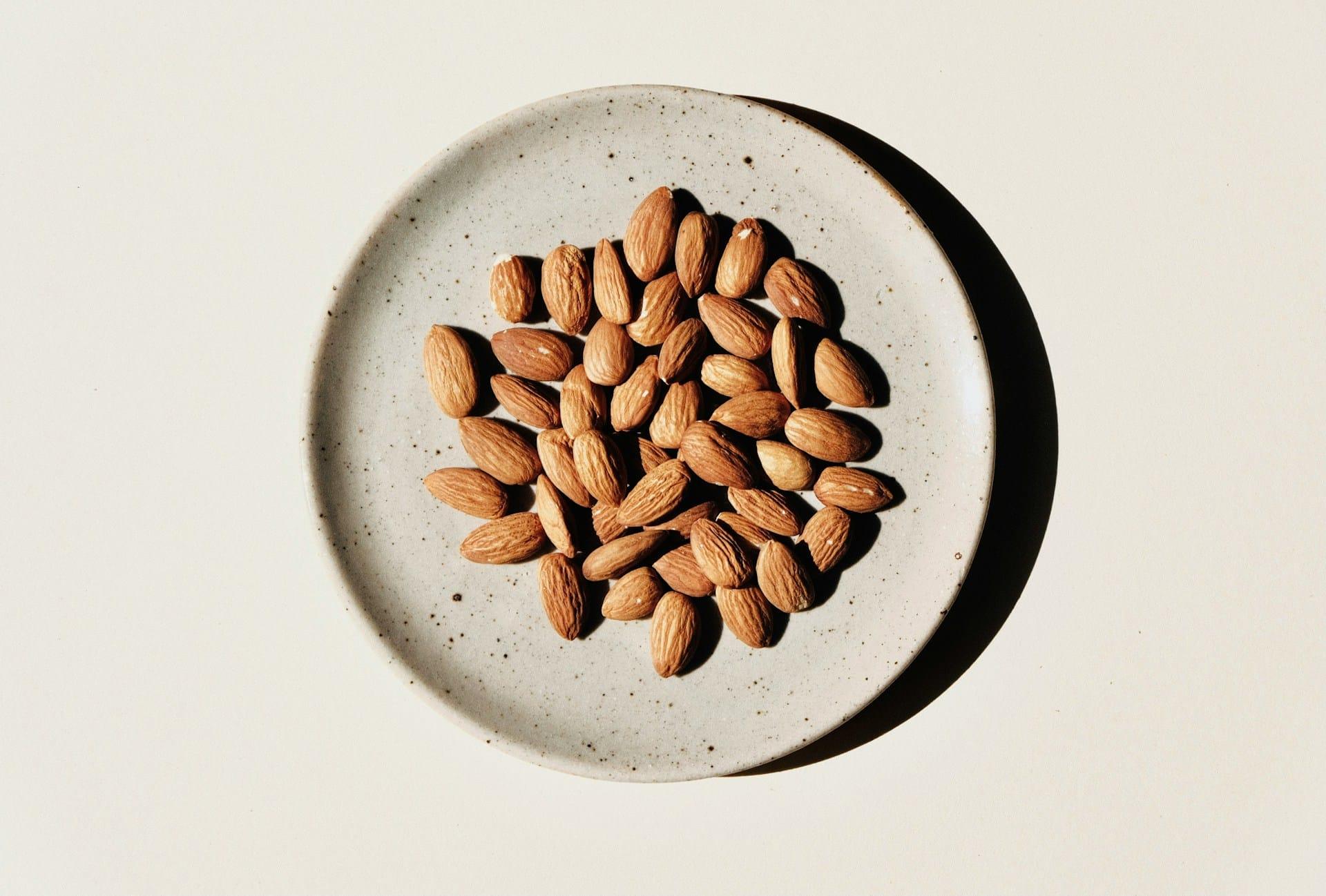
Almonds aren't just a satisfying snack. They contain tryptophan and magnesium, two nutrients that support good-quality sleep. Together they help relax your muscles and lower stress levels — especially useful if your restless nights come from daytime tension.
Magnesium in particular plays a key role in how your nervous system winds down, and it helps regulate your natural sleep cycles. A small handful of almonds in the evening can be a quiet step toward a calmer night.
Chamomile tea: a cup of calm
Chamomile tea has been a bedtime ritual for generations, and there's a reason it endures. It's rich in antioxidants like apigenin, which acts on receptors in the brain to encourage drowsiness and settled sleep. Apigenin is thought to ease sleep disturbances, making it a gentle ally against everyday stress.
Beyond that, a warm mug before bed simply feels soothing — the kind of small ritual that tells your mind it's finally time to slow down.
If you love simple home remedies like this, you might also enjoy our roundup of traditional remedies worth keeping in your kitchen.
Bananas: the sleep-friendly fruit
Bananas are packed with potassium and magnesium, minerals known for their relaxing effect on the body. They also contain tryptophan, which helps your body produce serotonin — the hormone that, in turn, supports the creation of melatonin, your body's natural sleep regulator.
A banana before bed is a quick, wholesome way to encourage rest. Bonus: its natural sweetness can quietly satisfy late-night sugar cravings, too.
Oatmeal: the star of the evening snack
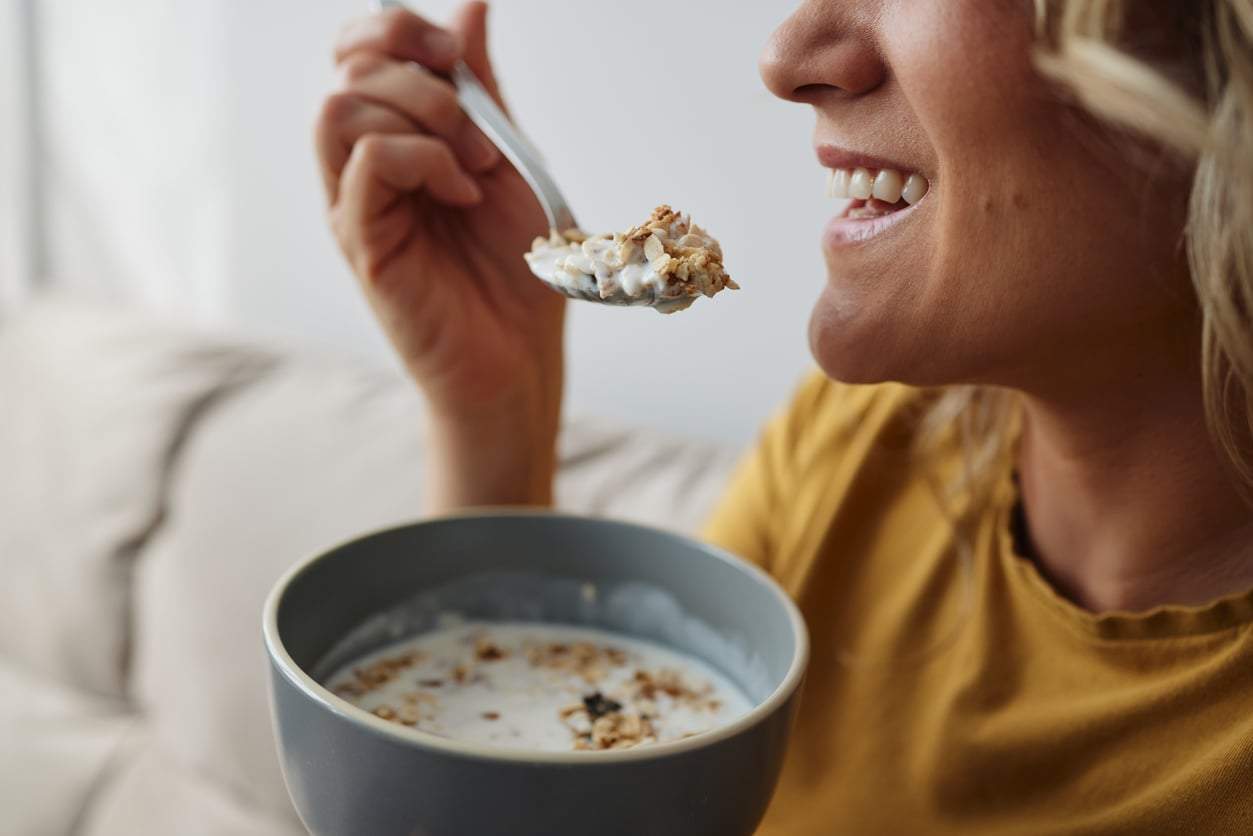
Oatmeal isn't just for breakfast. When you want something filling but still healthy before bed, it's a smart pick. Its high fiber content slows digestion, which can help keep your blood sugar steady through the night.
Oats also deliver B vitamins and minerals like iron and magnesium, which may help raise serotonin levels — and serotonin has a direct hand in how well you sleep.
Chia seeds: tiny but powerful
Chia seeds are remarkably nourishing and rich in omega-3 fatty acids, which support nerve cell repair and overall mental well-being. They also contain tryptophan and magnesium, both of which help regulate sleep.
Try stirring a spoonful into a little honey or blending them into a fruit smoothie for a light, easy evening treat — the kind that lets sleep arrive without a fight.
Whole-grain bread: not just for mornings
Bread often lands on the list of "forbidden" evening foods, but the whole-grain version tells a different story. It's a slow-digesting source of carbohydrates that helps keep your insulin levels stable overnight — and steady insulin plays an important role in maintaining good sleep quality.
Try a small slice of whole-grain bread before bed paired with a protein source like turkey breast or cottage cheese, which help your body absorb tryptophan more effectively.
Milk: the timeless bedtime classic
Who doesn't remember childhood evenings when a warm mug of milk gently coaxed them to sleep? Milk contains tryptophan, so it naturally supports melatonin production — one of the key hormones behind restful sleep.
A glass of milk at night is both nostalgic and genuinely effective. Add a pinch of cinnamon and it becomes even more comforting, since the spice has a soothing quality of its own.
Frequently asked questions
What is the best food to eat before bed for better sleep?
There's no single winner, but foods rich in tryptophan and magnesium — like almonds, bananas, oatmeal, and milk — are among the most supportive choices for relaxation and quality sleep.
Why do tryptophan and magnesium help you sleep?
Tryptophan supports serotonin and melatonin production, the hormones that regulate rest, while magnesium helps relax your muscles and calm the nervous system.
Is it okay to eat bread at night?
Whole-grain bread can actually help. It digests slowly and keeps insulin levels stable overnight, which supports better sleep quality — especially when paired with a protein source.
Does warm milk really help you fall asleep?
Milk contains tryptophan, which naturally supports melatonin production. Beyond the science, a warm cup before bed is a comforting ritual that helps signal your body it's time to wind down.