1. Freshwater
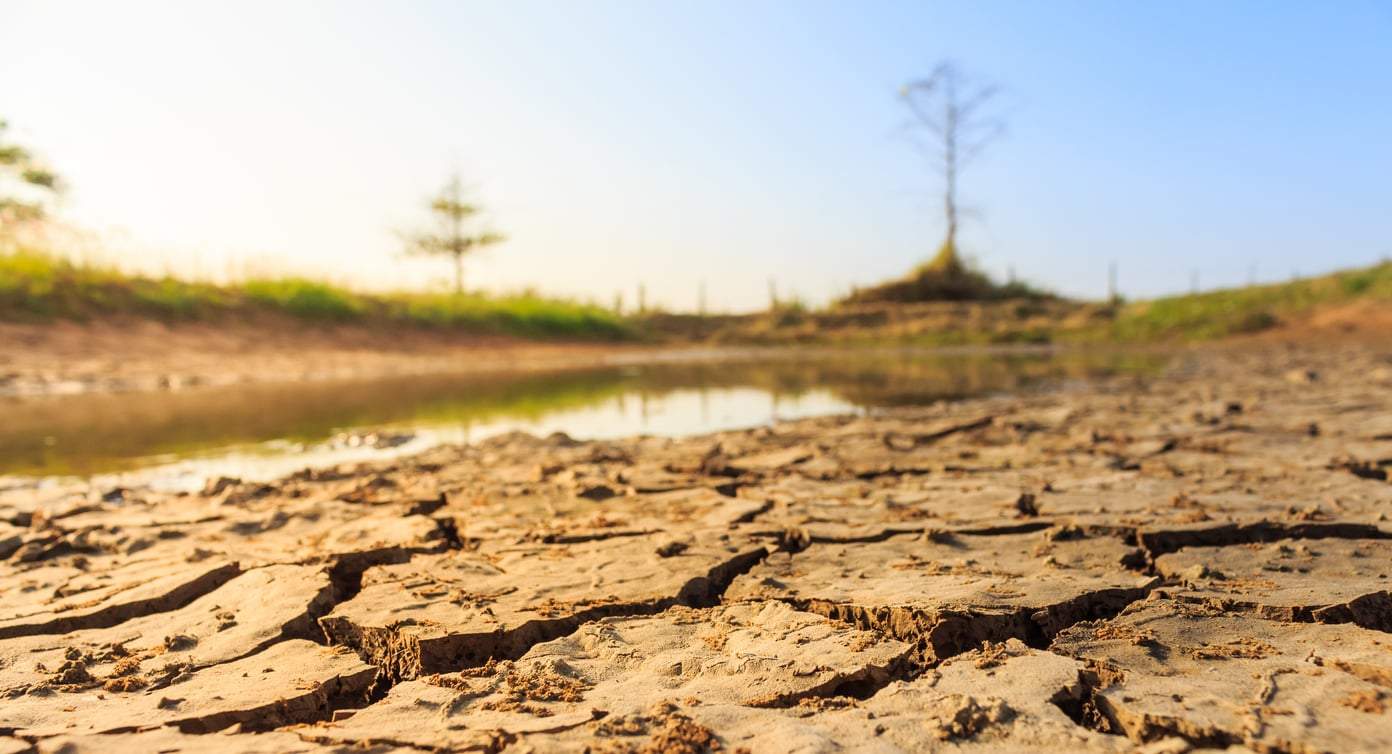
NASA launched a satellite into space solely to map Earth’s surface waters. Their data shows that by 2100, saltwater will threaten 77% of coastal freshwater reserves.
2. Biodiversity
We talk about biodiversity loss when a plant or animal species goes extinct. Since the 1500s—around the time of the Battle of Mohács—we’ve wiped out 30% of animal species, and this alarming trend is accelerating. The main causes? Habitat destruction, pollution, climate change, overfishing and hunting, plus invasive species—all human-driven. WWF reports that in the last 50 years, 73% of plant and animal life has suffered “catastrophic decline” thanks to us.
3. Plastic
Microplastics are tiny plastic pieces smaller than 5 millimeters, and sadly, they’re everywhere—in the air, soil, water, and food. In 2019, scientists estimated the average person consumes between 39,000 and 52,000 microplastic particles annually. We’re still learning how this affects our health—since the term “microplastic” was only coined in 2004—but one thing’s clear: it’s not good news.

4. The Supervolcano
Beneath Yellowstone National Park lies a supervolcano that could erupt at any time, triggering a global disaster.
5. AMR
AMR stands for antimicrobial resistance. The WHO named it one of the top 10 global public health threats in 2019, and by 2022 it ranked among the top three. This means microorganisms survive—and even thrive—despite drugs meant to stop or kill them. Around 70% of infections caused by resistant bacteria happen in healthcare settings, leading to nearly 10 million deaths annually.
6. Population Explosion
We can say there are simply too many of us. On November 15, 2022, Earth’s population hit 8 billion. By 2037—just 12 years away—we’ll reach 9 billion.
7. Climate
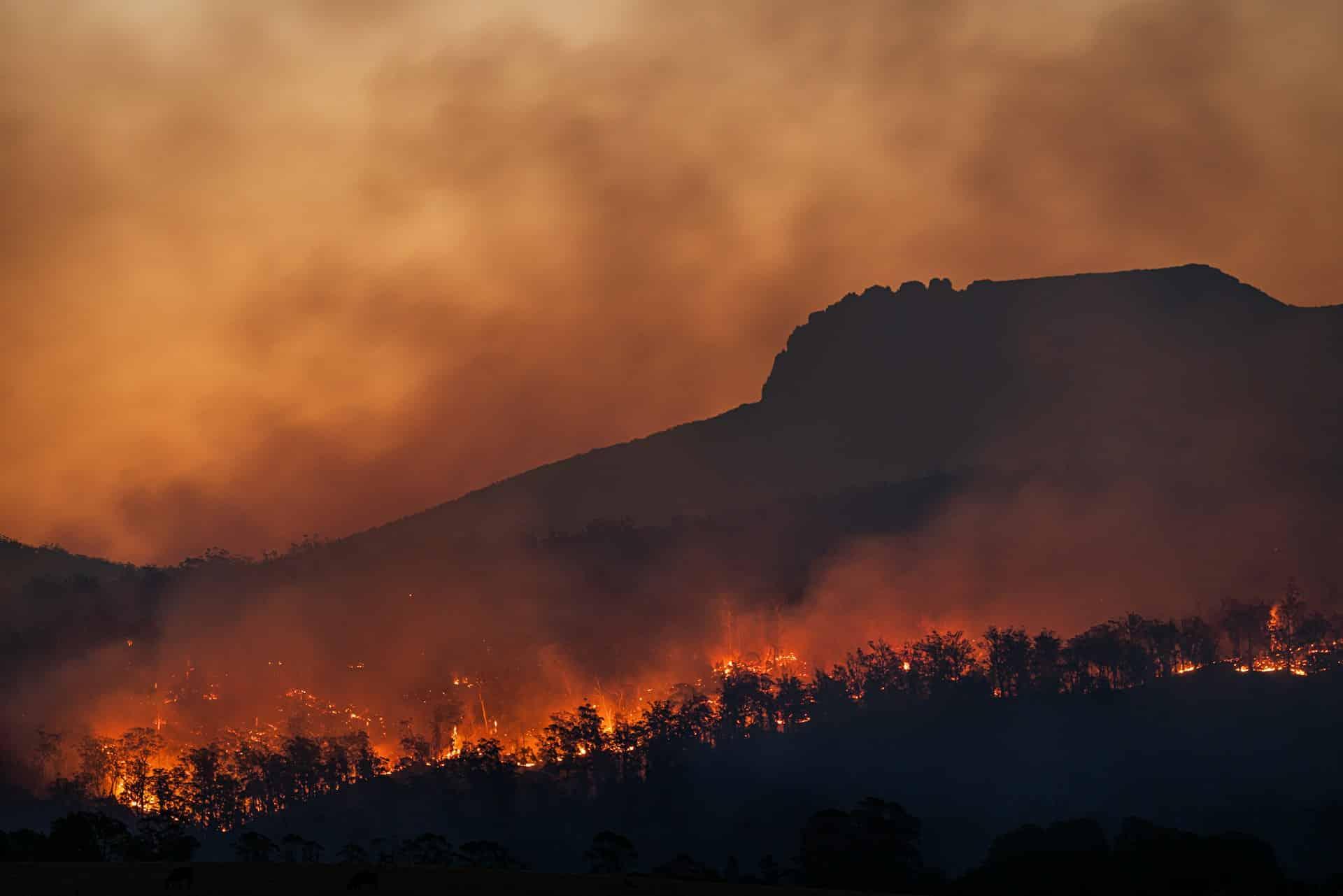
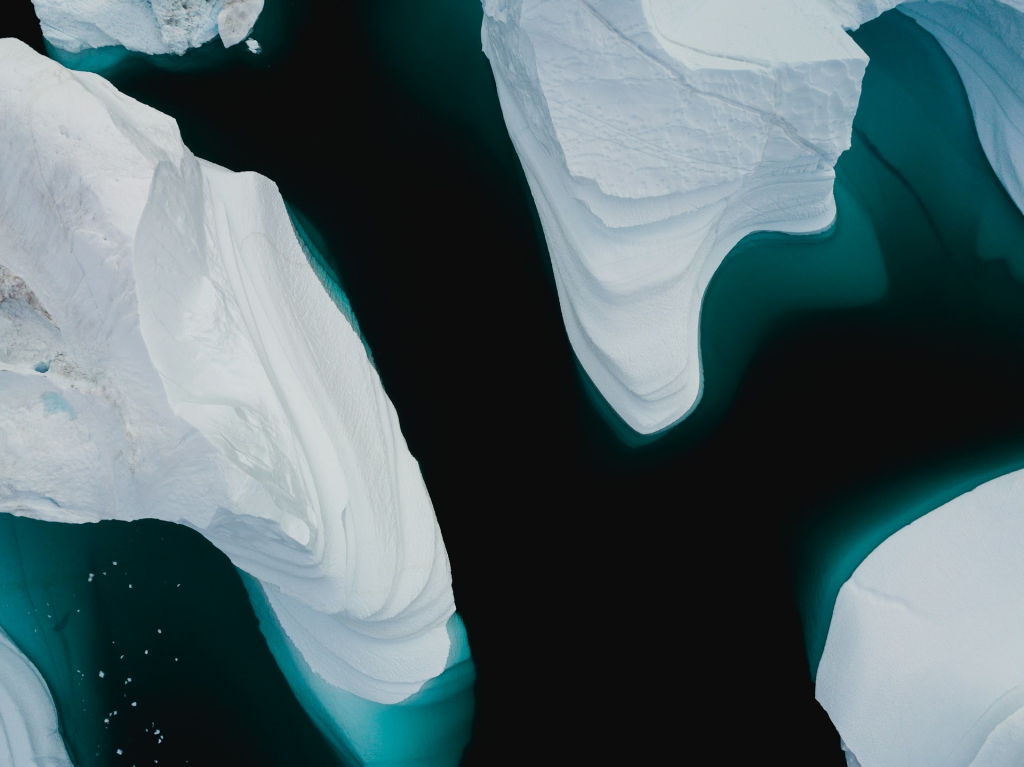
No matter the climate skeptics, this reality can’t be ignored. Every Hungarian around 40 years old feels summers are hotter and winters milder than in their youth.
What used to be a heatwave at 30°C (86°F) now regularly hits above 40°C (104°F). Childhood photos show us playing in knee-deep snow, building snowmen, and having snowball fights. Today, even 5 cm (2 inches) of snow is rare—and melts within hours.
8. Aging
While populations in Asia (especially China and India) and Africa (mainly Nigeria) are growing rapidly, Europe faces fewer births and an aging population. If this trend continues, by 2100—just 75 years from now—nearly one-third of Europe’s population will be elderly, aged 65 and over.
9. Poverty
About 8% of the world lives in extreme poverty, totaling 700 million people. Nearly half of the global population—44%—lives in poverty.
10. Wealth
The richest 1% owns more than 95% of the world’s wealth. It’s predicted that by 2027, Elon Musk could become the world’s first trillionaire.