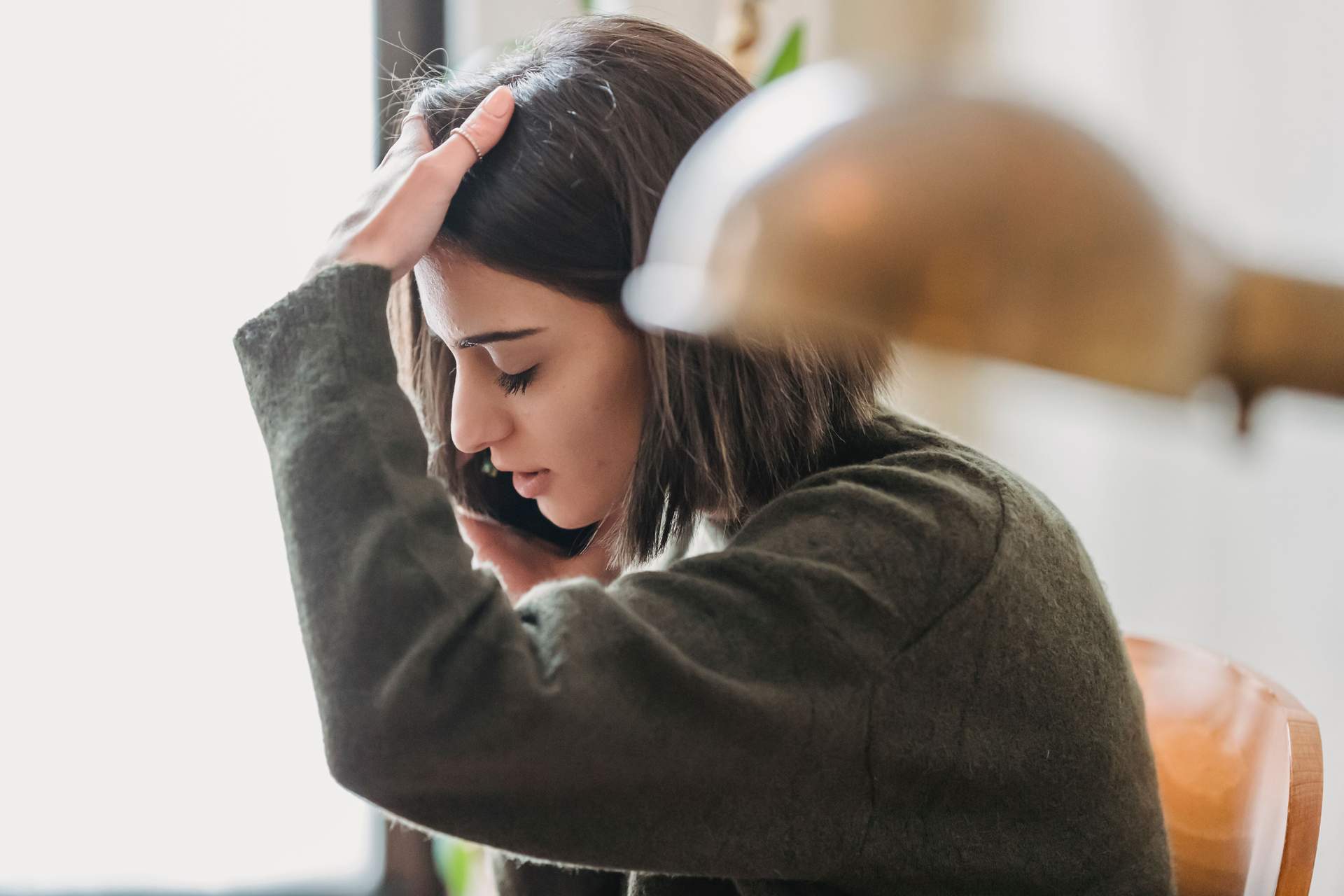
We’re constantly told to be strong. Stand up, don’t cry, solve everything alone. After a while, we start believing our strength lies in never asking for help. But quietly, these armors keep away the very connections that would hold us up when we truly need support.
The image of the “strong woman” seems beautiful and inspiring. Confident, capable, always in control, never shaken by emotions. But what if this is just a shiny trap? A role that sparkles on the outside but can feel painfully lonely inside.
Many of us aren’t strong because we were born that way, but because we learned it’s safer this way. If you don’t ask, you can’t be disappointed. If you don’t lean on others, they can’t let you down. Just a few tough experiences, a few hands let go, and we’re convinced independence is the key to survival.
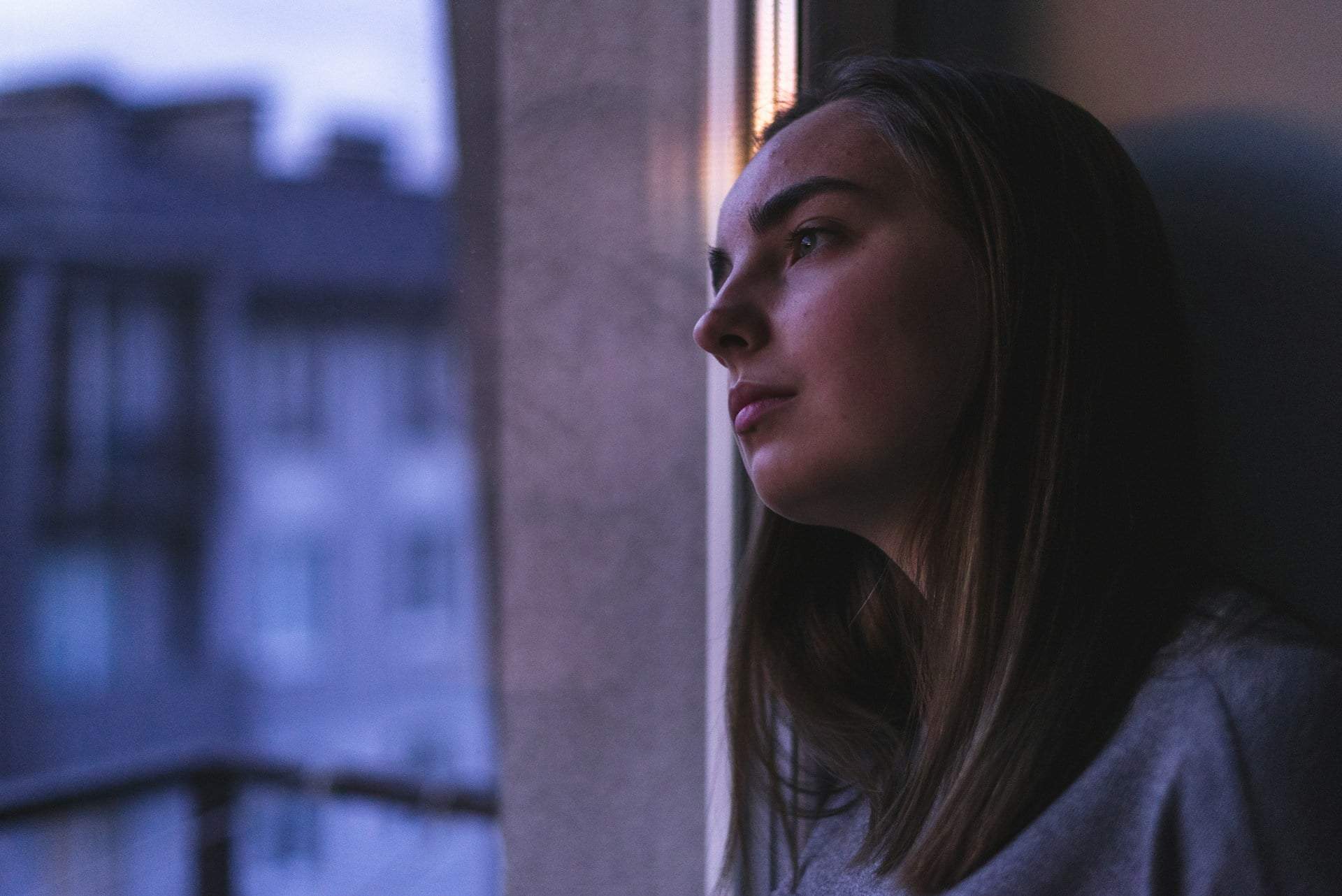
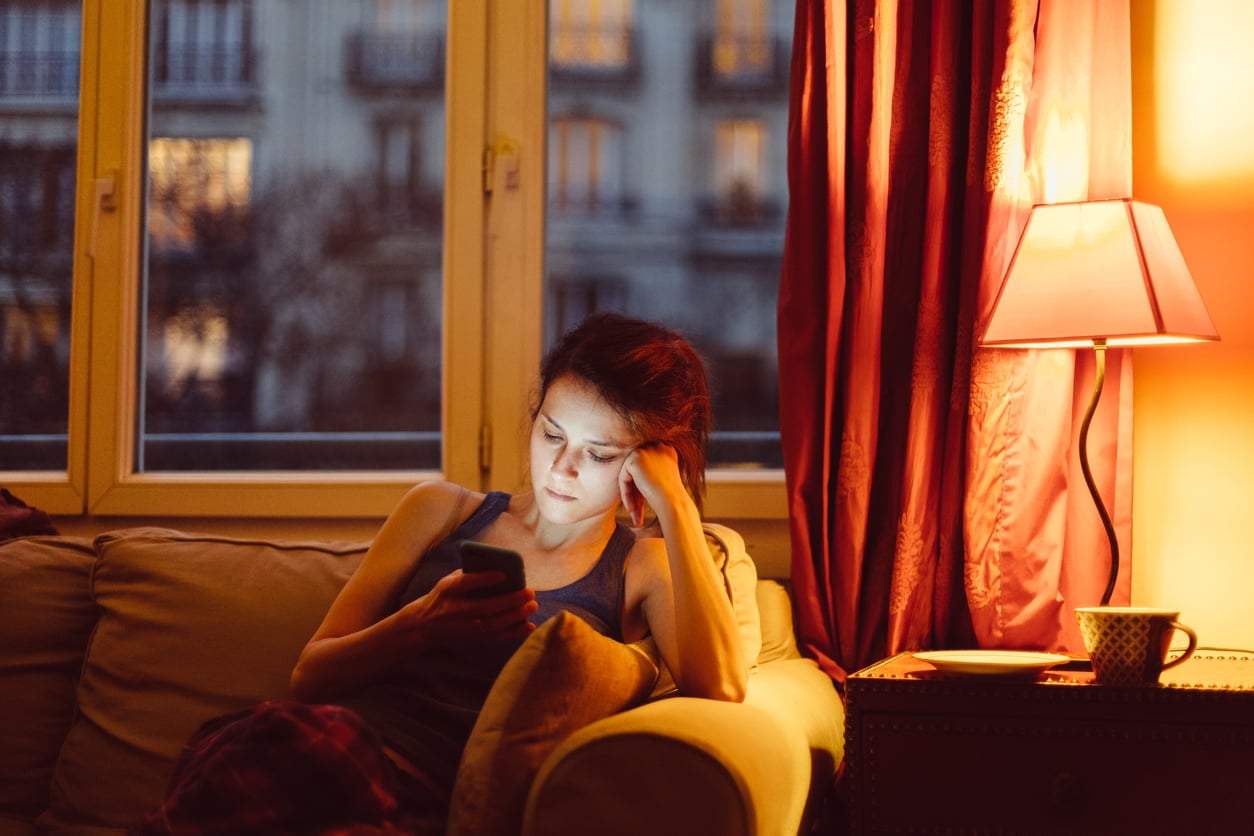
But independence can turn into an island over time, one where no one is allowed close. That island stops being a refuge and becomes loneliness.
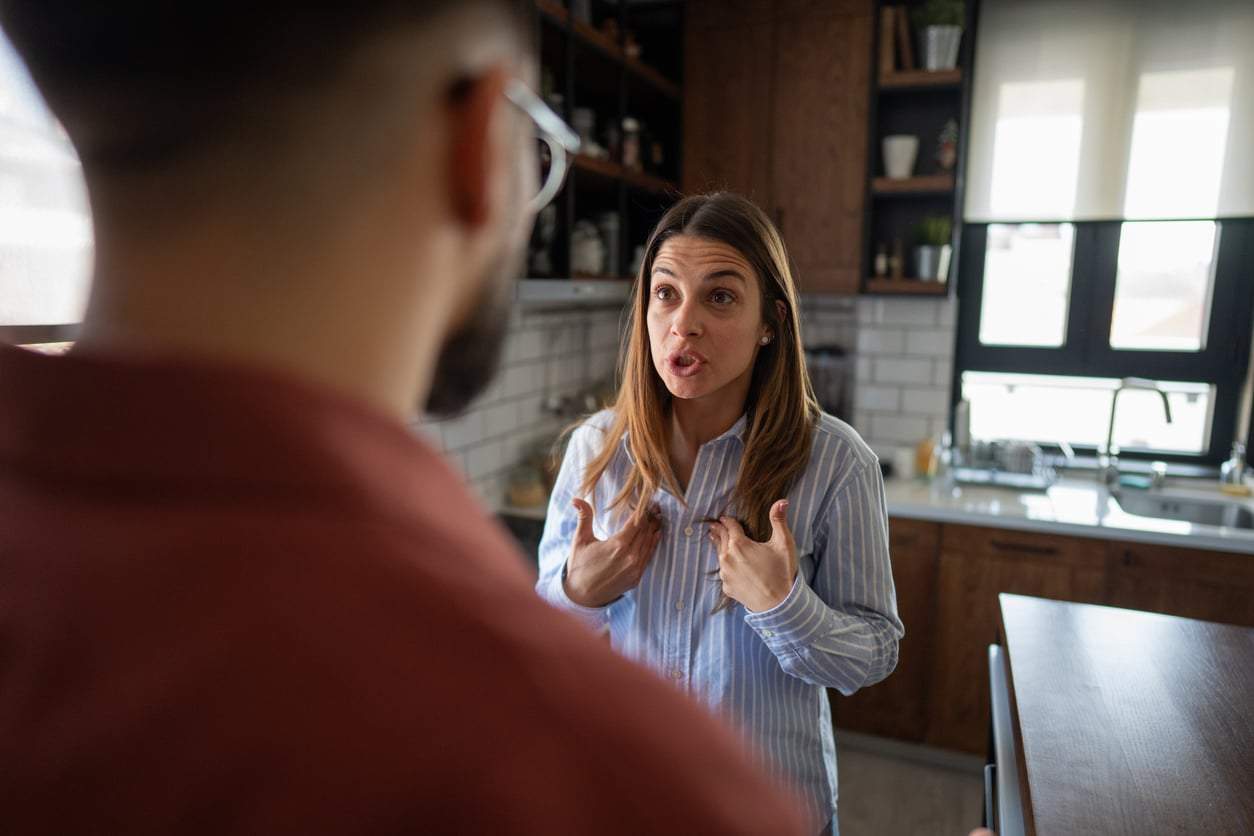
Society often pushes the idea that crying is a sign of weakness. Yet the greatest courage lies in honestly saying what hurts. Admitting when we’re struggling. Daring to tell someone we need them.
Vulnerability isn’t weakness, it’s connection. Honesty doesn’t weaken us; it deepens our bonds. And though we often fear rejection when showing our true selves, it’s exactly that openness that lets someone truly know us.
Community and female solidarity have always been powerful resources. Still, in recent years, it feels like more of us are trying to prove we can make it alone. “I’ll handle it myself, no one needed.” Sound familiar?
Meanwhile, the people who care about us are right there, just unsure how to get closer. After all, we’ve taught them we don’t need anyone.
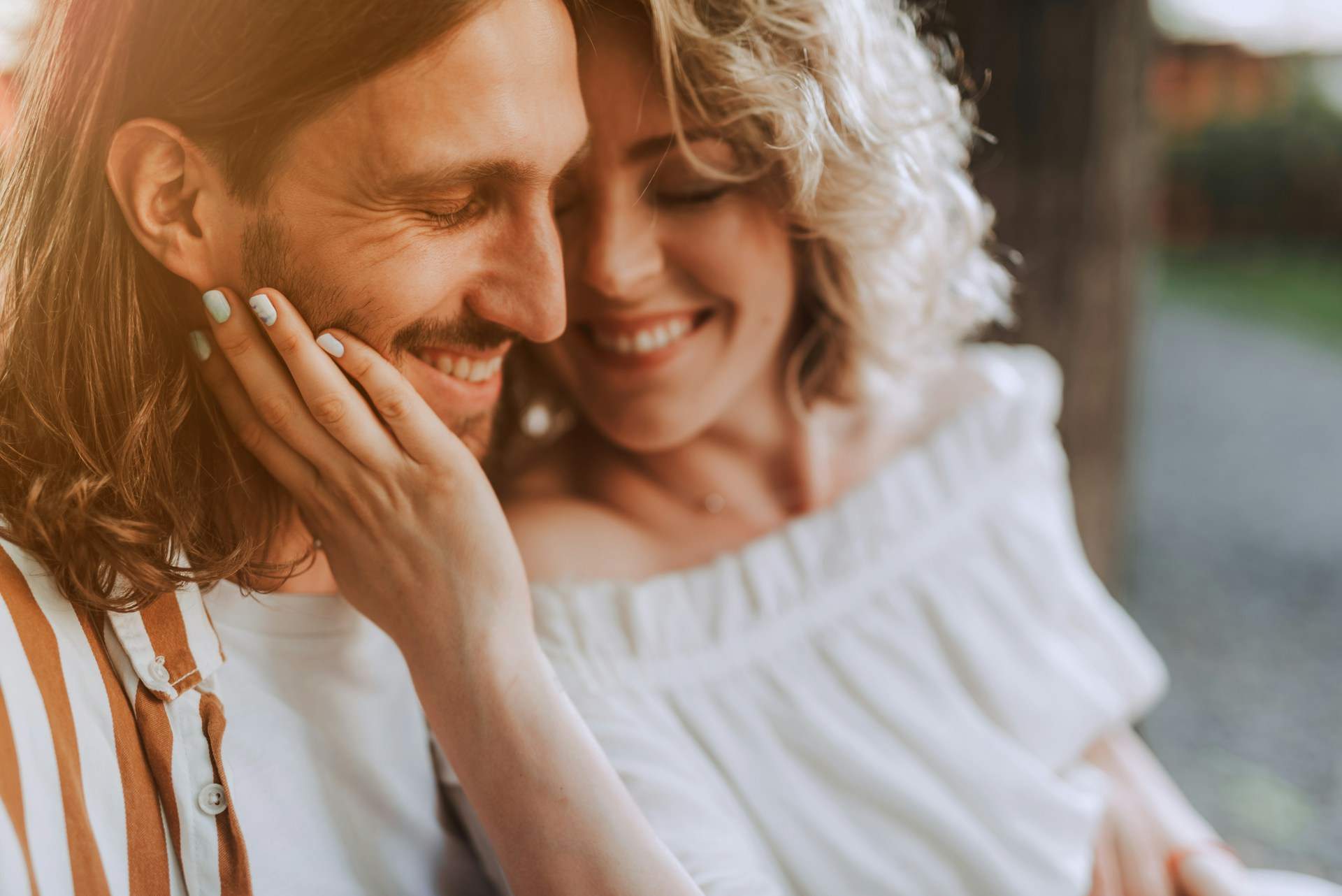
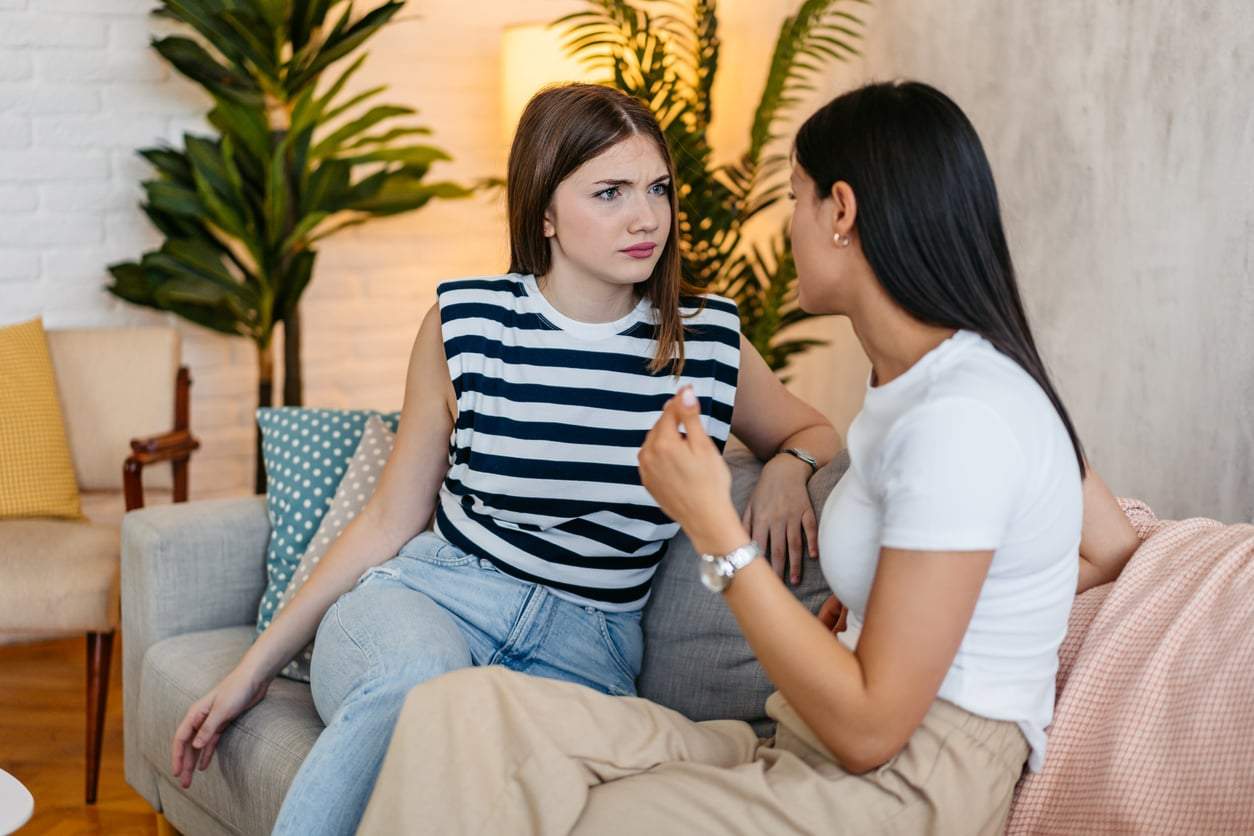
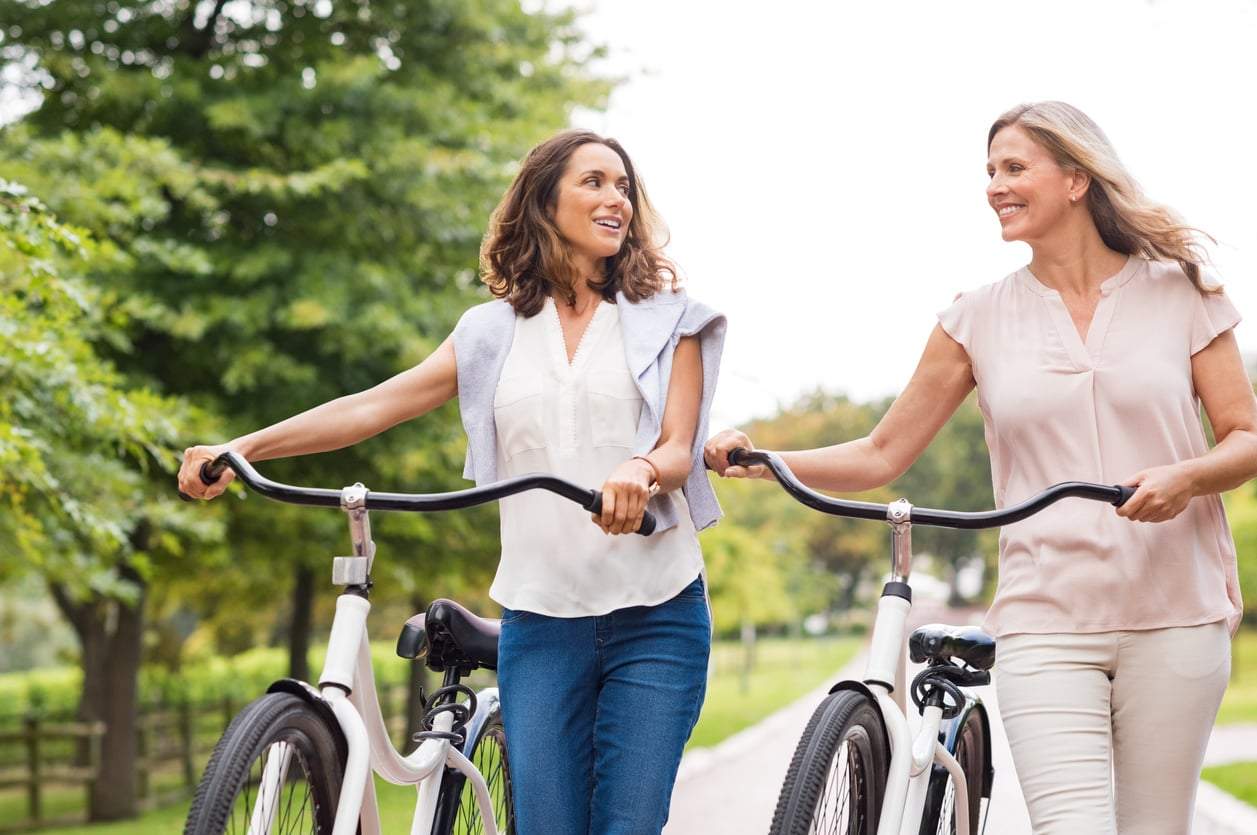
Some of life’s strongest moments happen when we’re not alone. A friend who holds your hand without asking questions, just being there. A partner who understands your struggles and lets you be yourself. A family member who listens without judgment.
These moments add more to our strength than any battle fought solo. True strength grows when someone shares the weight with us.
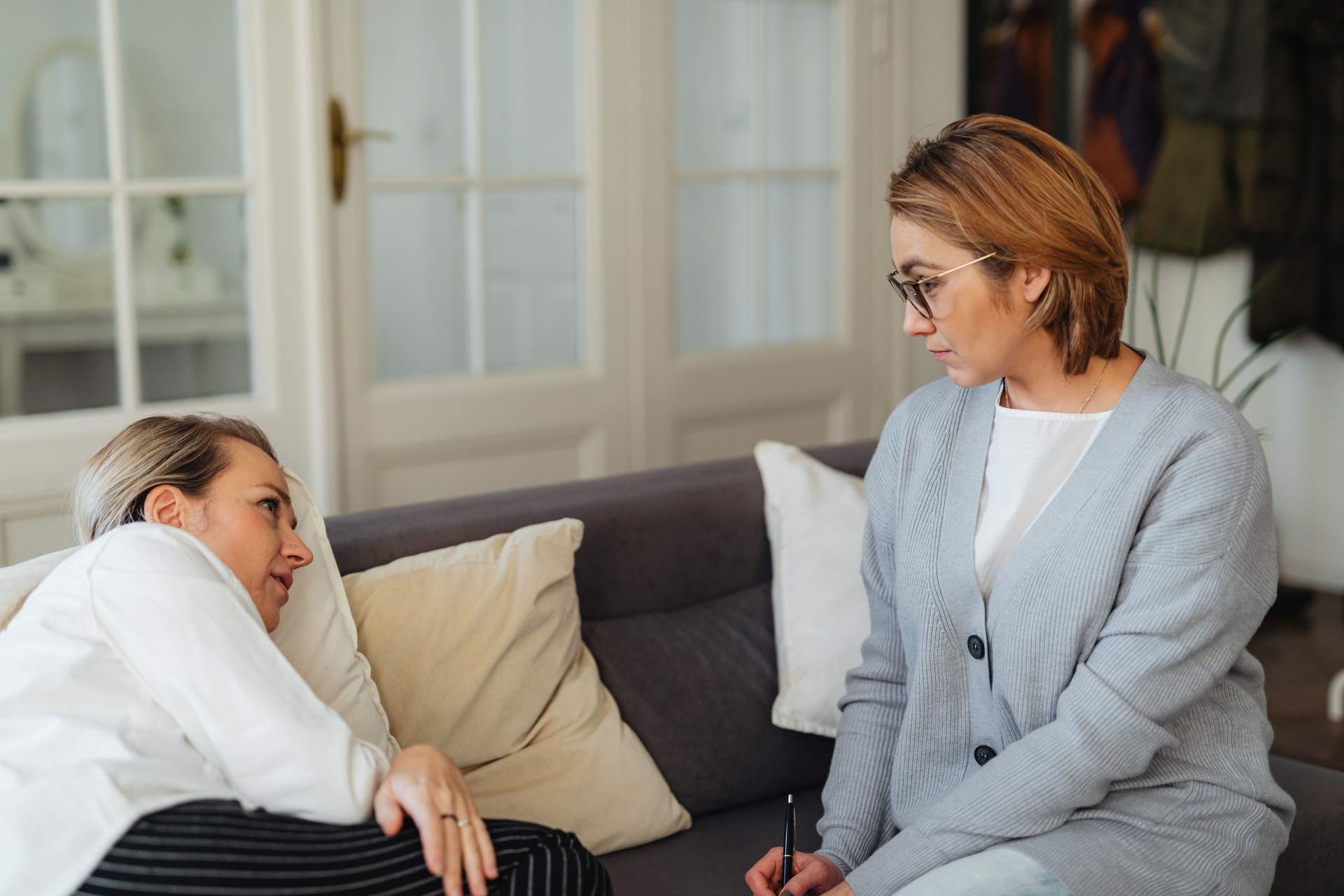
Having low points doesn’t make us weak. It doesn’t take away from who we are. In fact, our empathy and compassion are born in these cracks—where we know what it feels like to break and to be picked up.
Without the “everything’s fine” mask, our connections can be much more genuine. Sometimes not solving something alone isn’t defeat, but a chance for someone to prove they can be there for us.
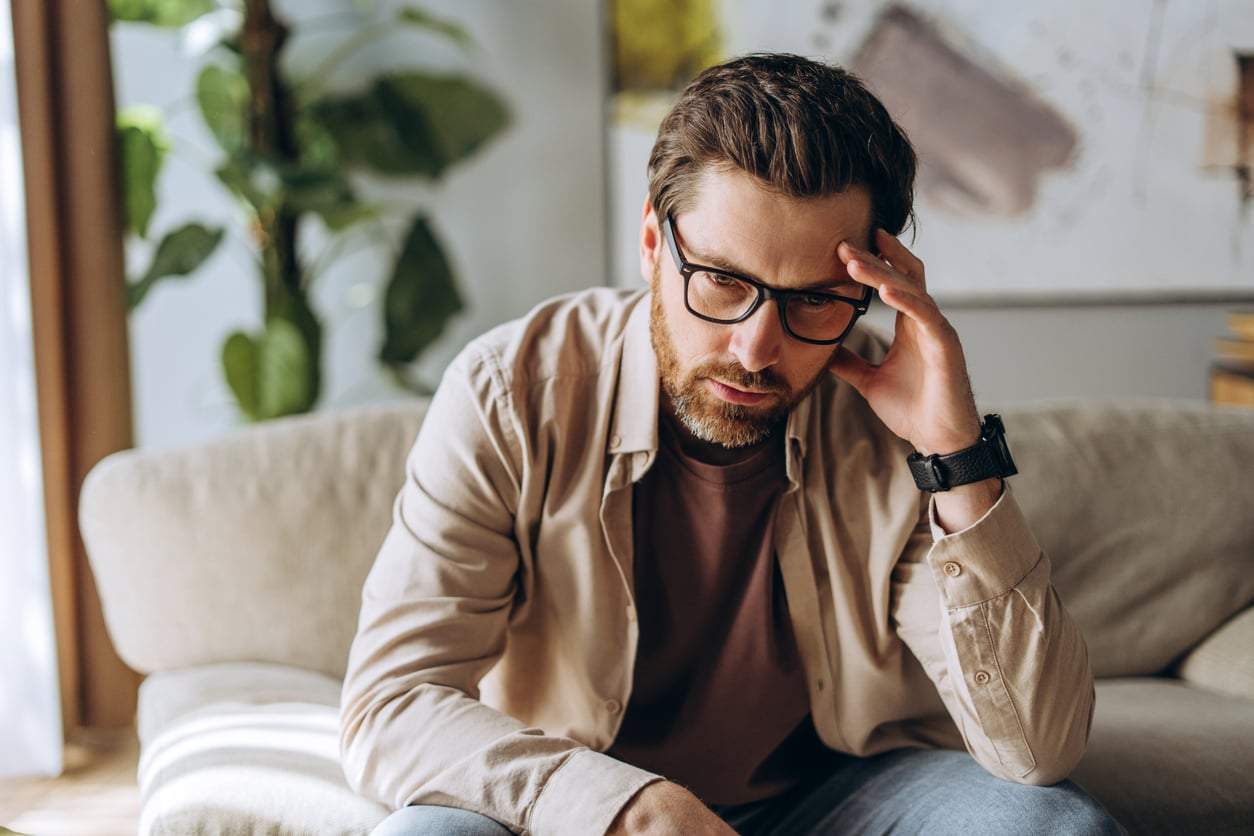
Next time you catch yourself bravely holding it together and smiling while falling apart inside, remember this: the strongest woman isn’t the one who never breaks, but the one who knows when to seek support.
It’s worth putting down the armor sometimes and letting someone come closer. Freedom isn’t just about thriving alone—it’s also about knowing you don’t have to do it all alone.
Strength isn’t born from isolation but from trusting someone enough to show what’s really going on inside. True connections deepen not when everything’s perfect, but when we dare to admit we’re not always okay.
You don’t have to wear armor every day; sometimes just being present for each other is enough. And maybe in that fragile yet brave openness, we find the strength we’ve been searching for elsewhere. Because the goal isn’t to be heroes—it’s to stay human. And humans aren’t meant to live life alone.