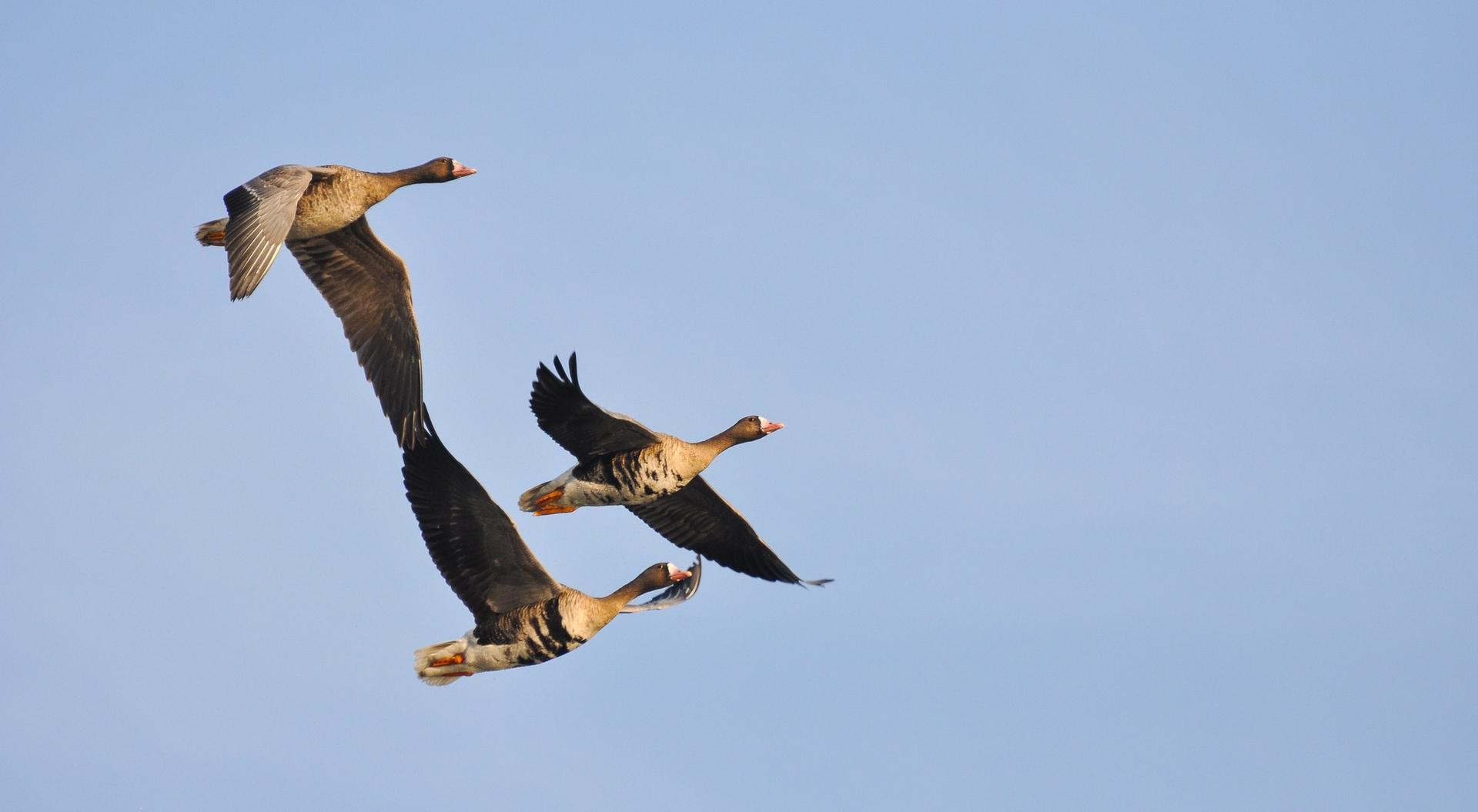
There’s a special place in Hungary where every late autumn day feels like a mini celebration, and the lakeside in the heart of town is filled not with car noise, but the honking of thousands of wild geese. Maybe that’s why I felt drawn to return to Tata on the last truly sunny autumn weekend.
We had visited the Fényes Nature Trail a few years ago, and I thought then: this is one of the country’s most beautiful spots. This fall, when I learned the 25th Tata Wild Goose Festival was approaching, the region called to me again. I knew we were still early in the "peak season," but I was curious what Lake Öreg and its surroundings had in store.
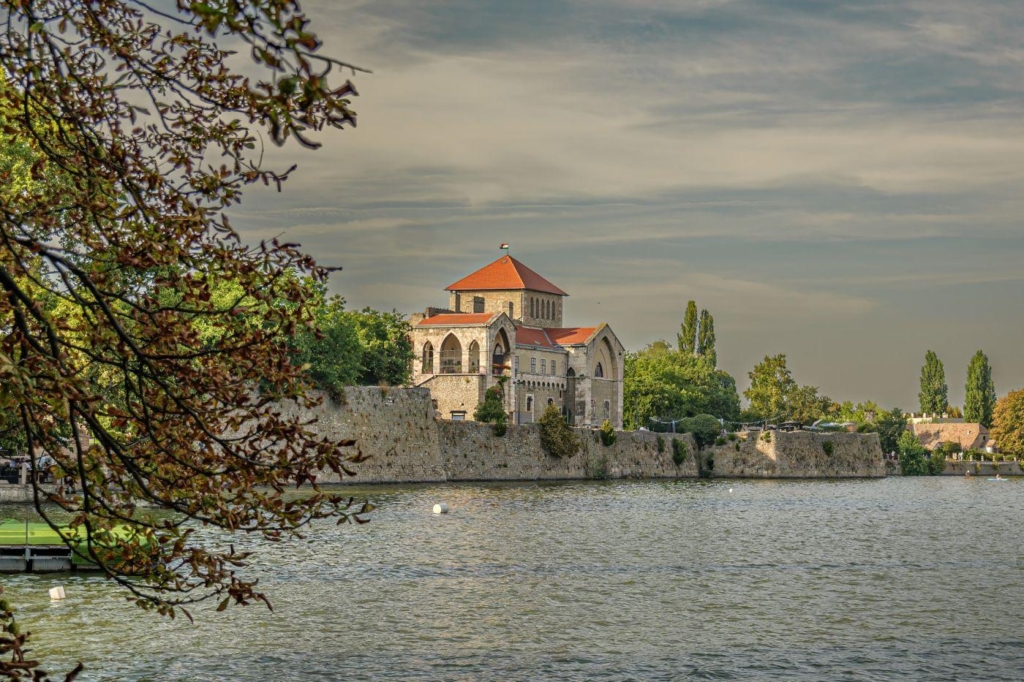
As soon as we arrived, the town enchanted me. The golden glow of the castle, the shimmering water, the autumn-tinged trees of the English Garden, and the birds gliding over the lake all whispered: something truly special is happening here. And indeed, as the sun dipped below the horizon, the moment we’d been waiting for all afternoon began.
At 4:59 PM, distant honks first echoed softly, then suddenly the sky filled with the flutter of thousands of wings—thousands of wild geese returning to the lake for the night. In that moment, I forgot all daily worries, left my phone in my pocket, and just watched as nature choreographed its perfect dance around us.
A Quarter Century with the Geese – From Friendly Gathering to Europe-Wide Festival
This year marks the 25th birthday of the Wild Goose Festival. In the early days, from 2001 to 2006, it was more of a friendly birdwatchers’ meet-up than a festival—as I discovered digging through social media. Over the years, the event grew, adding activities like bird ringing, drawing contests, guided hikes, and telescope demos. By then, everyone knew something big was taking shape on the shores of Lake Öreg.
Reading past reports, I found myself drawn deeper into this community experience. There’s something touching about hundreds of people braving the cold lakeside at dawn just to witness nature waking up.
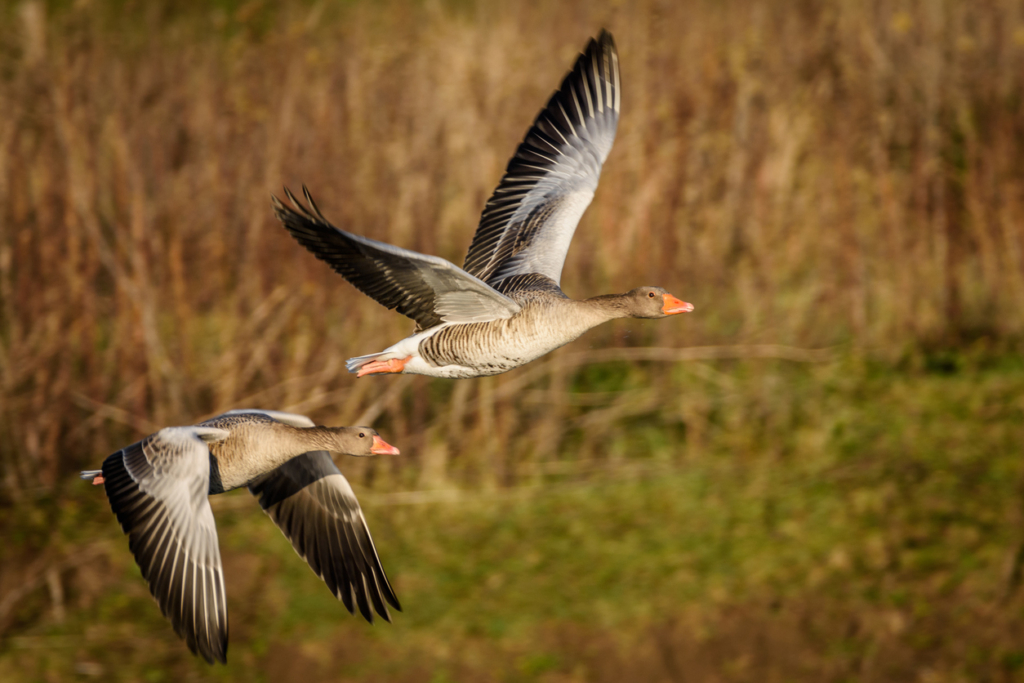
Lake Öreg has become an internationally important wetland and has been part of the Ramsar Convention since 1989. This means that alongside 170 countries worldwide, the people of Tata share responsibility for protecting migratory birds and their habitats. The lake and its surroundings cover over 2,600 hectares, home to hundreds of bird species. In autumn and winter, large flocks of greylag, bean, and greater white-fronted geese gather here, and sometimes rare visitors like tundra swans or black storks make an appearance.
The birds feel safe here because Lake Öreg is one of the last places in Hungary where hunting is banned. To protect the animals’ peace, even New Year’s fireworks are not allowed. Maybe it’s this calm that brings them back every year?
Humans and Nature: The Eternal Search for Balance
This year, the celebration faces some challenges. In the weeks before the event, the lake’s water level worried many. Experts requested it stay at least 50 cm (about 20 inches) deep for the birds, but fishing interests led to much lower levels. The drained lakebed not only makes the landscape sadder but dries up the birds’ resting spots. If the water is too shallow, the wild geese and waterfowl move on—and with them goes the enthusiasm of eager watchers and visitors.
Watching the drying shore, I felt some bitterness too. The organizers did everything to make the anniversary year a true refuge for Lake Öreg, but it seems we still have to learn how to balance human and natural needs. The water management plan prioritizes fishing over tourism, and despite the Ramsar Convention, that priority was enforced.
Lake Öreg in Tata: More Than Just a Blue Spot on the Map
While nature and human interests are still finding their rhythm around Lake Öreg, one thing is certain: Tata remains one of Hungary’s most special places to experience the magic of bird migration up close. The moment when thousands of geese fill the sky with honks at sunset is truly unforgettable.
You can follow the evening arrival and morning departure of the birds live every year on the official Tata Wild Goose Festival page. From late afternoon until dawn, the lake is alive with wingbeats, rippling water, and a mesmerizing spectacle.
And here’s the best news: the 25th Tata Wild Goose Festival will take place again this year on November 28 and 29. If you want to experience this special celebration in person, it’s not too late. Expect talks, guided tours, kids’ activities, and of course, the stars of the show—the wild geese—awaiting visitors. The only question is how many will return.