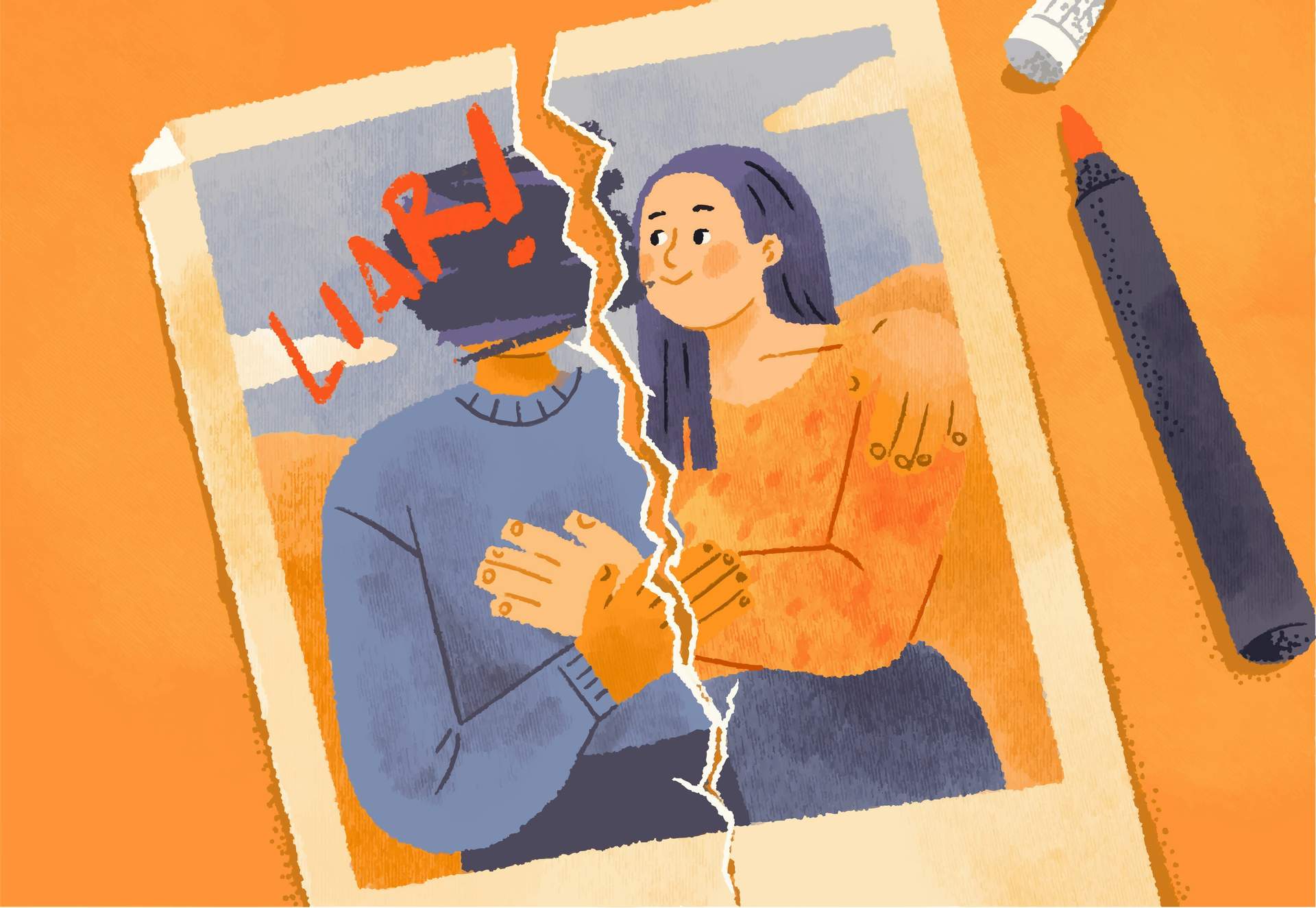
Maybe every woman has met a man who made her feel like wrapping him up with police tape to warn everyone around him: the air itself feels toxic near him. The good news? Despite those tough experiences, research shows we don’t have to give up on men—there’s a good chance we’ll meet many who aren’t afraid to embrace their emotions!
Toxic Masculinity
In recent years, “toxic masculinity” has become one of the most talked-about—and often misunderstood—terms. It’s often used as if most men naturally carry problematic behaviors: emotional shutdown, aggression, dominance, or lack of empathy.
But fresh research offers a more balanced view, finding that these behaviors don’t describe most men—just a louder minority.
A Psychology Today featured study examined thousands of men to see how much they identify with the classic norms of toxic masculinity. These include beliefs like men must suppress emotions, always appear strong, or that dominance and showing off strength earn respect. The results were clear: most respondents disagreed with these ideas and didn’t see them as core to their male identity.

One key takeaway is the need to distinguish between masculinity and toxic masculinity. The latter isn’t a biological or unavoidable trait but a narrow, culturally inherited behavior pattern that harms many men and those around them.
The study found many men instead identify with values like responsibility, reliability, emotional presence, and cooperation.
Interestingly, toxic behaviors are often overrepresented in media and public conversations. Loud, extreme examples—aggressive bosses, abusive partners, dominance-driven male images—can easily lead to generalizations. But the study warns these cases don’t reflect the majority, only a distinct minority—who are often loud or in leadership roles, pushing their will onto quieter men.

The study also highlights that many men are open to emotional growth and self-reflection. More are valuing the ability to communicate feelings, ask for help, and consciously work on their relationships. These efforts rarely get as much attention as problematic behaviors, but they shape the path toward social change much more.
This doesn’t mean toxic patterns don’t exist or that critical conversations aren’t needed. The research stresses that labeling all men as a problem is counterproductive. Treating masculinity itself as an issue doesn’t inspire change—it triggers defense and withdrawal.
The study’s message is cautiously optimistic: most men don’t cling to toxic norms and don’t want to live by them in their relationships or society.
The chance for change lies not in “re-educating” men but in rethinking the oversimplified stories we tell about masculinity. Both women and men have a crucial role in this.