Eskimos
They gather blueberries, raspberries, and other Arctic fruits, and forage for edible flowers, grasses, roots, and algae. They adapt to their environment and make the most of what’s available. Their traditional diet is rich in protective nitrilosides. Once they give up their nomadic lifestyle for modern foods, they face many “new” diseases.
North American Indians
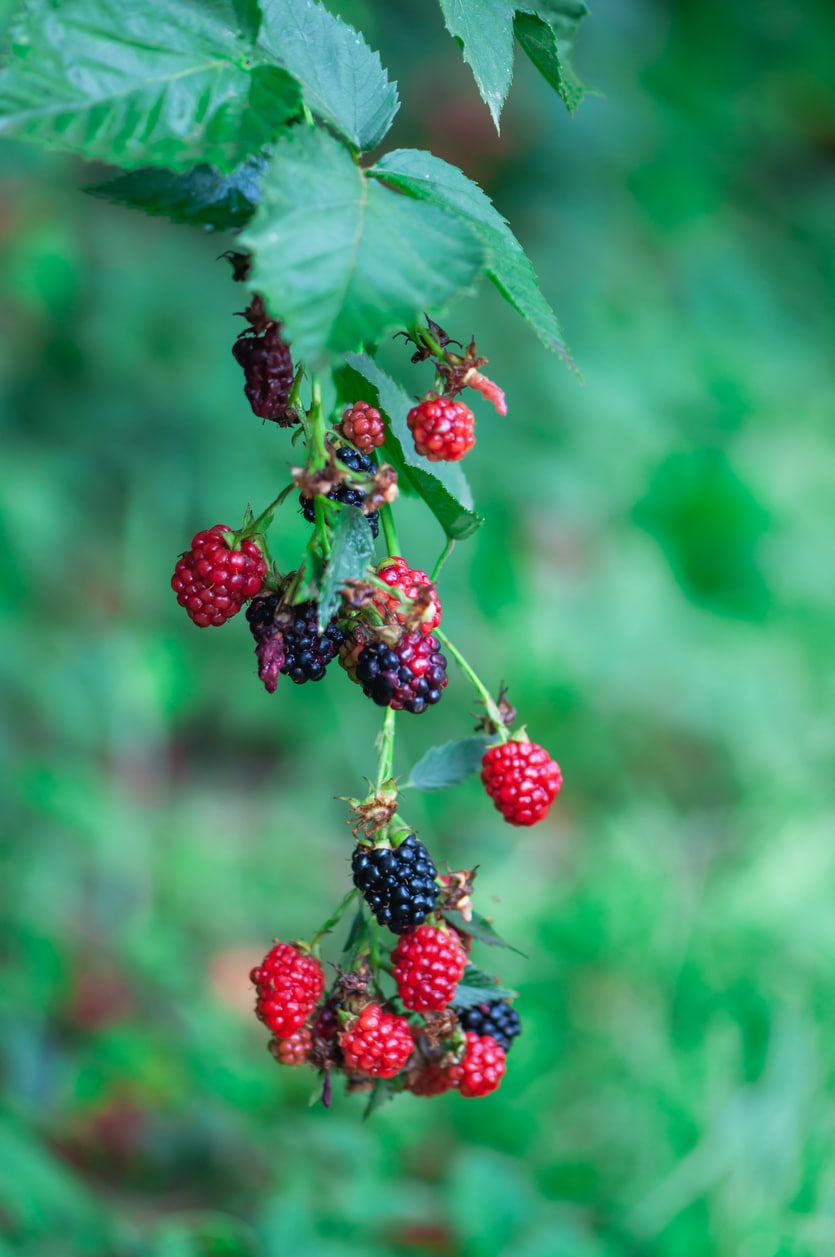
They added variety with roots, berries, sometimes bark and buds. Their healers knew the effects of foods and medicinal plants. Their resourceful mindset teaches us that even in modest conditions, we can thrive by understanding and appreciating the natural treasures around us.
Pima Indians
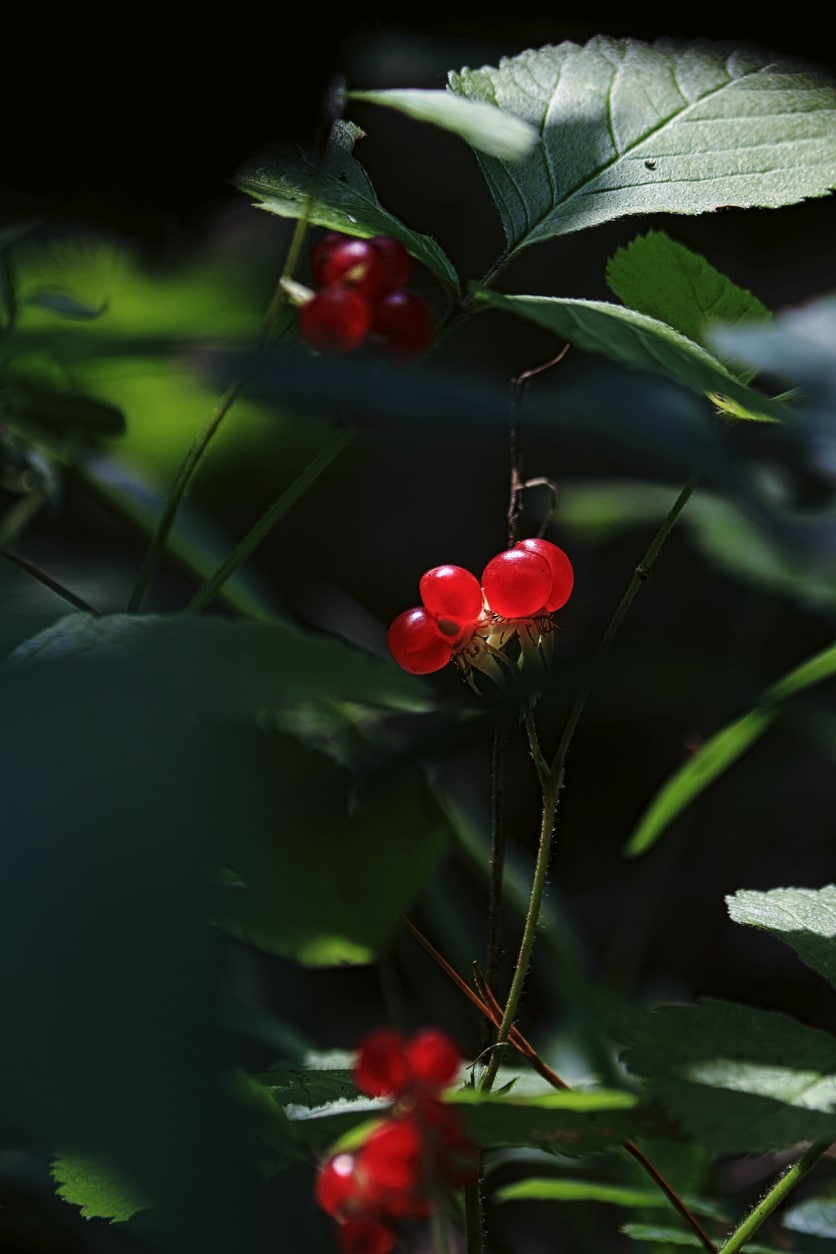
When processed, low-fiber, refined American foods became more accessible, their gut flora changed. Obesity, diabetes, high blood pressure, cardiovascular issues, and cognitive decline appeared. Our valuable internal bacteria work for us, but if we don’t nourish them, they perish—and illness often follows.
Hunzas
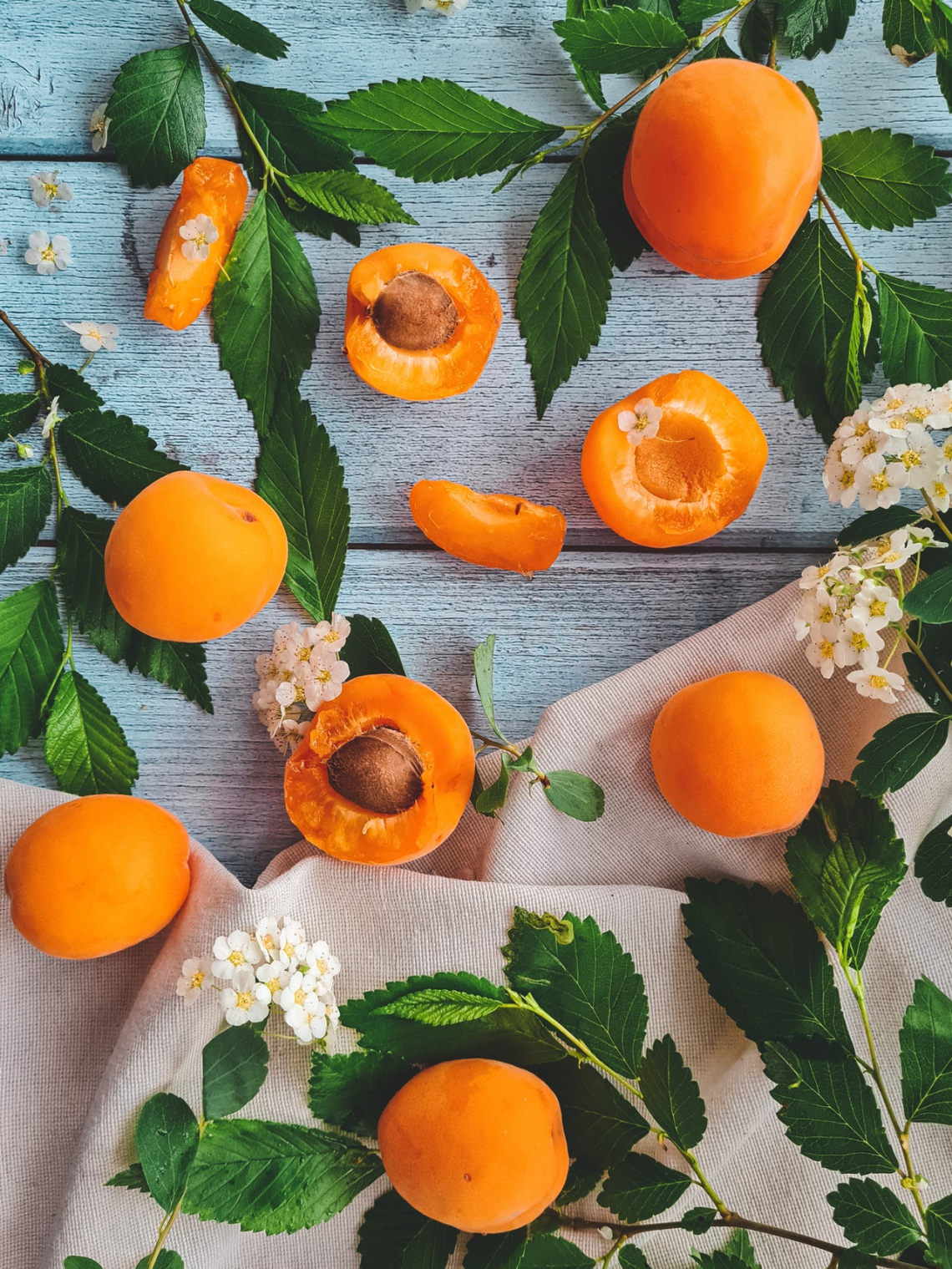
The Hunzas collect, process, and happily consume the seeds. They live on grains, alternative cereals, fresh vegetables, and fruits naturally rich in phytonutrients, vitamins, minerals, and trace elements. Once roads improved and modern foods arrived, previously unknown cancers appeared.
Maoris
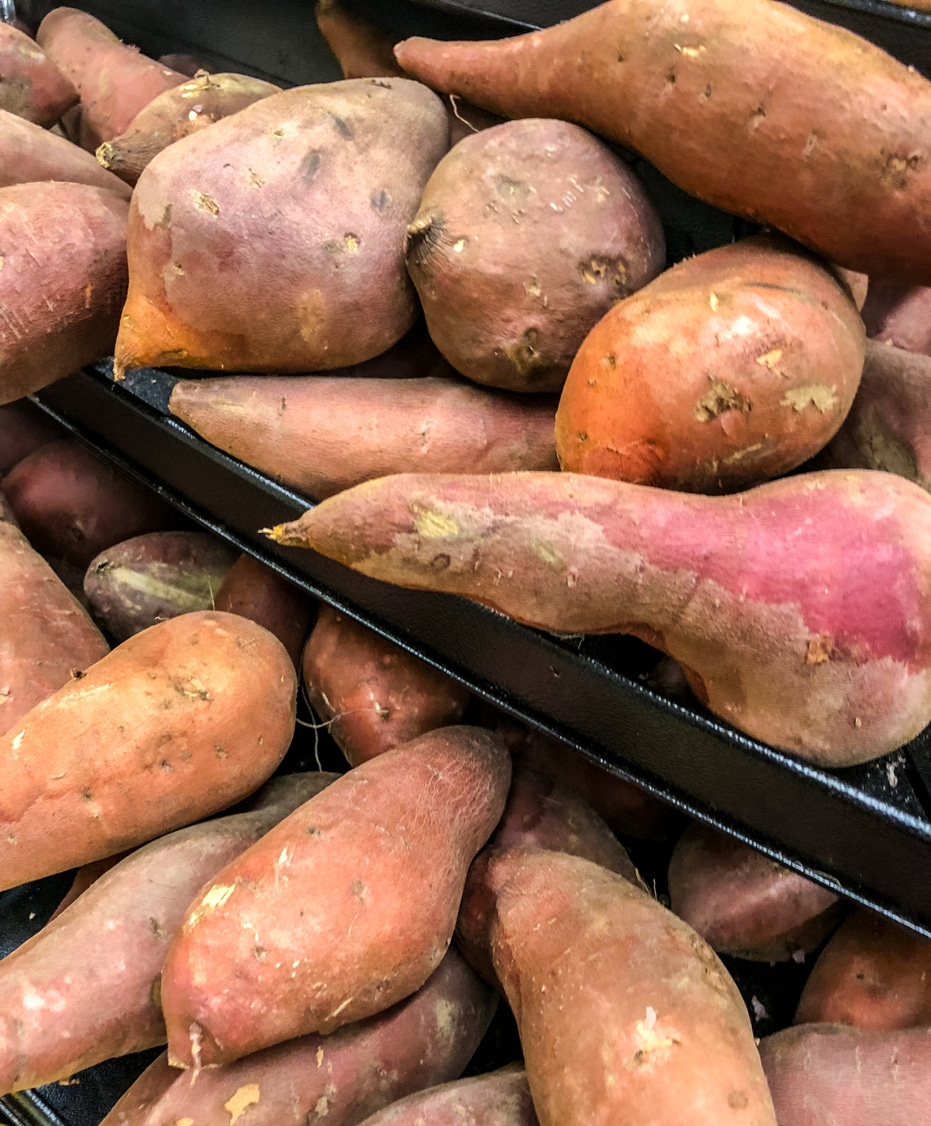
They cooked outdoors using hot stones and water in shallow pits, steaming their food. Drying preserved what they could for later. With settlers came new staples like wheat, corn, potatoes, carrots, and cabbage. Potatoes quickly became popular due to ease of cultivation, alongside fattening pork. They also raised sheep, goats, and poultry. Their resourcefulness and willingness to learn were admirable, always making the most of what they had. But as we know, swapping hard work for convenience rarely ends well.
Achuar
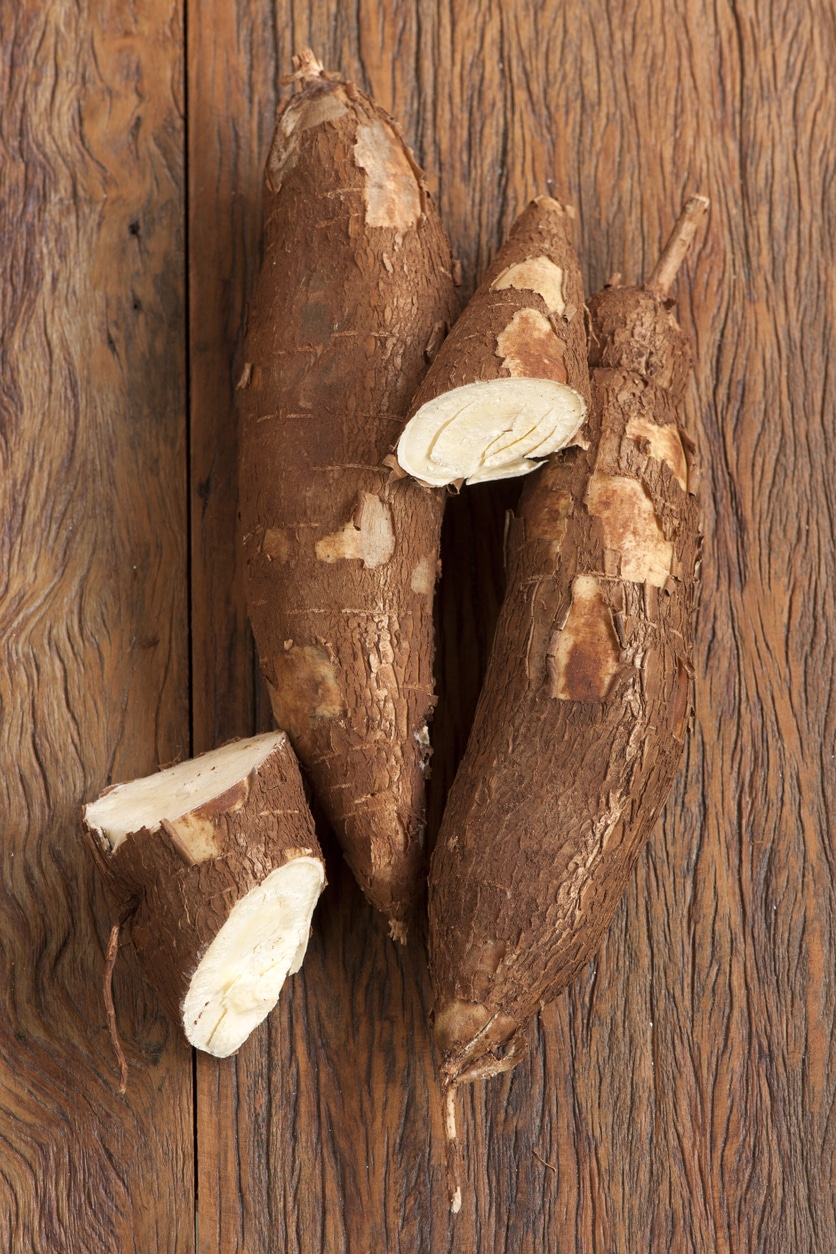
For women, this is a way to show responsible care for loved ones. The tribe loves this distinctive drink. Another ritual involves waking at 3–4 a.m. to share and interpret dreams, which guide men’s hunting success. They honor all life, taking only what’s necessary. Women tend sacred gardens during the day. The Achuar prove that it’s possible to live very differently today—respecting nature, adapting to conditions, and taking only what’s essential.
“Primitive” Swiss
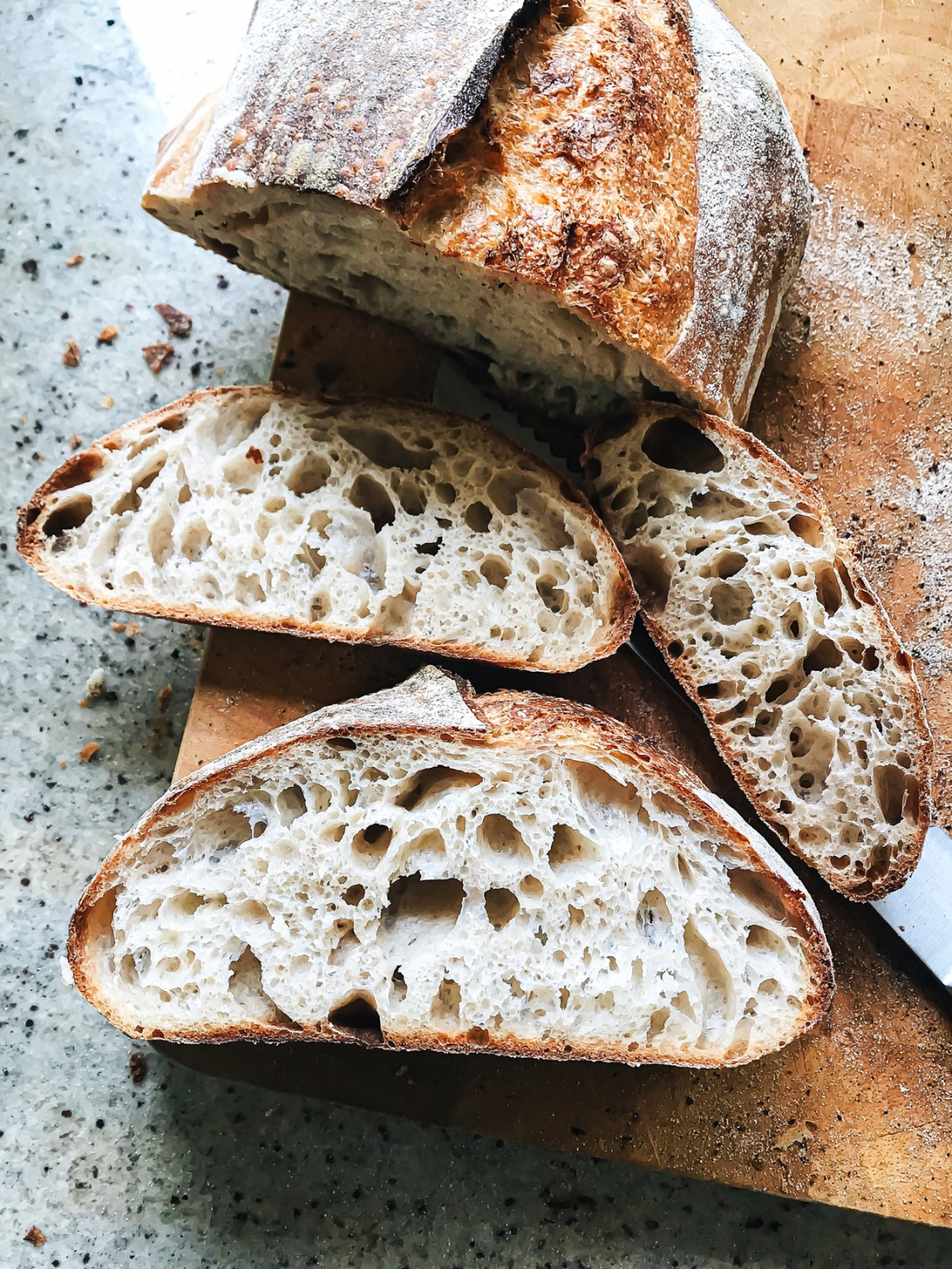
In winter, they mainly ate rye porridge, rye bread, high-quality milk and dairy, and a small amount of meat once a week. They deeply respected nature, seeing divine presence in it. Despite a modest diet, they enjoyed excellent health and remarkable resilience.
Abkhazians

We could go on about indigenous lifestyles, but the key points are clear. My conclusions might be hard to accept, but the facts suggest this: what and how much they ate mattered more than the specific foods. They typically consumed local, nutrient-dense plants and wild animals. Their diets were richer in nutrients, essential components, and fiber, without additives or refined ingredients. Their bodies, digestion, and microbiomes adapted to these foods. They ate less and worked harder physically than most people today. Above all, they valued and were likely more grateful to nature for what it provided.