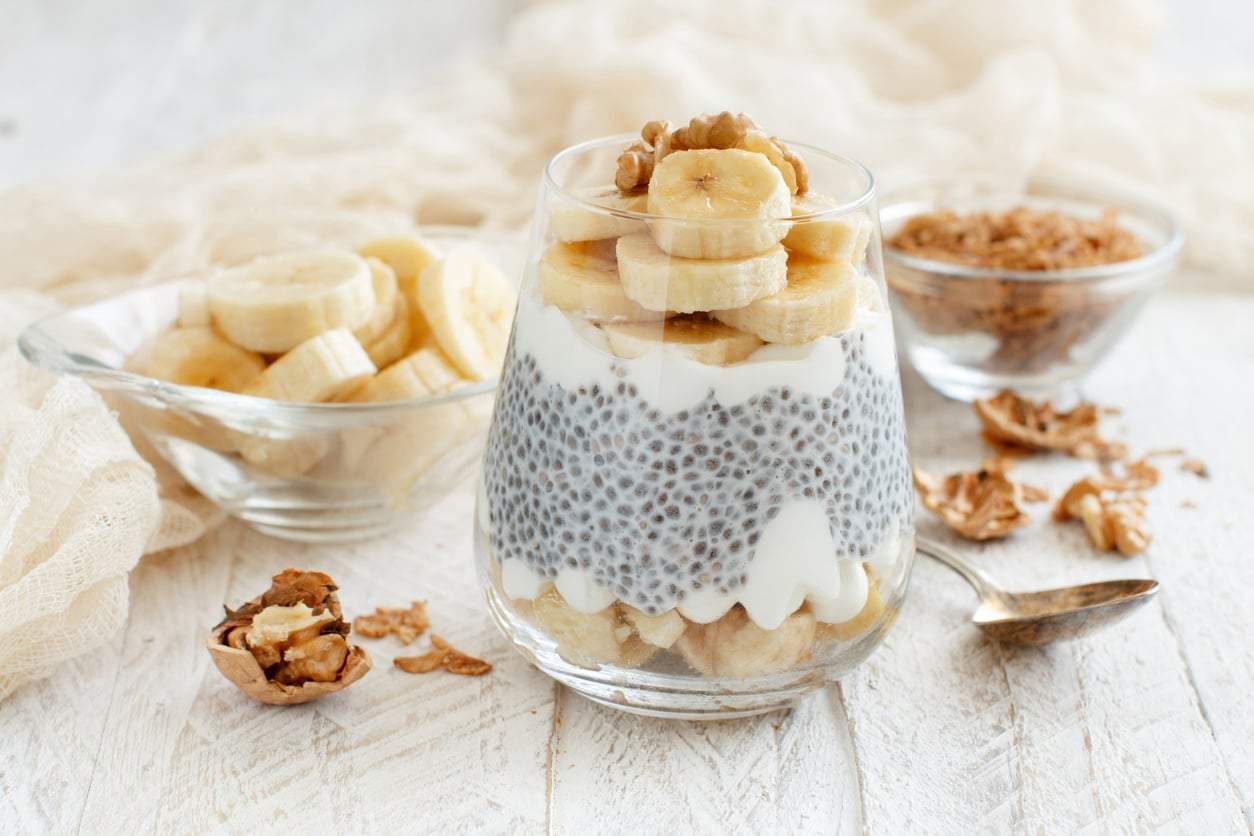
Imagine every bite on your plate not only fuels your body but also supports your brain. Whether it’s your morning oatmeal, evening salad, or afternoon handful of nuts, these choices can help reduce the risk of Alzheimer’s disease—a condition many of us worry about when thinking about the future.
It might sound too good to be true, but recent studies from top U.S. research teams confirm there’s a diet that lowers the risk of neurodegenerative diseases. It’s called the MIND diet, and new findings give us even more reasons to give it a try.
The Mediterranean Diet That Protects Your Brain
The Mediterranean diet has long been a cornerstone of healthy living. It’s packed with fresh veggies, olive oil, fish, and nuts—and science has praised its heart-protective benefits for decades.
Experts at Rush University in Chicago took it a step further. Led by the late nutritional epidemiologist Dr. Martha Clare Morris, they created a hybrid of the Mediterranean and DASH diets focused specifically on brain health. This is how the MIND diet was born (Mediterranean-DASH Intervention for Neurodegenerative Delay), reports The Healthy.
What Do People With Sharp Minds Eat?
The MIND diet isn’t a strict weight-loss plan but a lifestyle built around ten “brain-friendly” food groups and five to avoid.
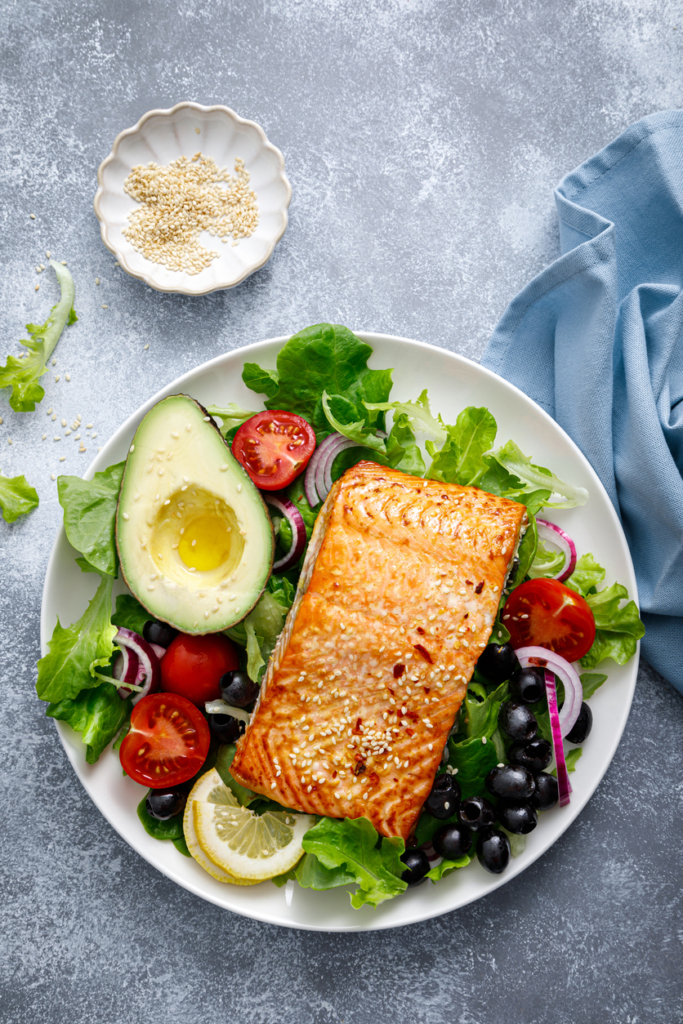
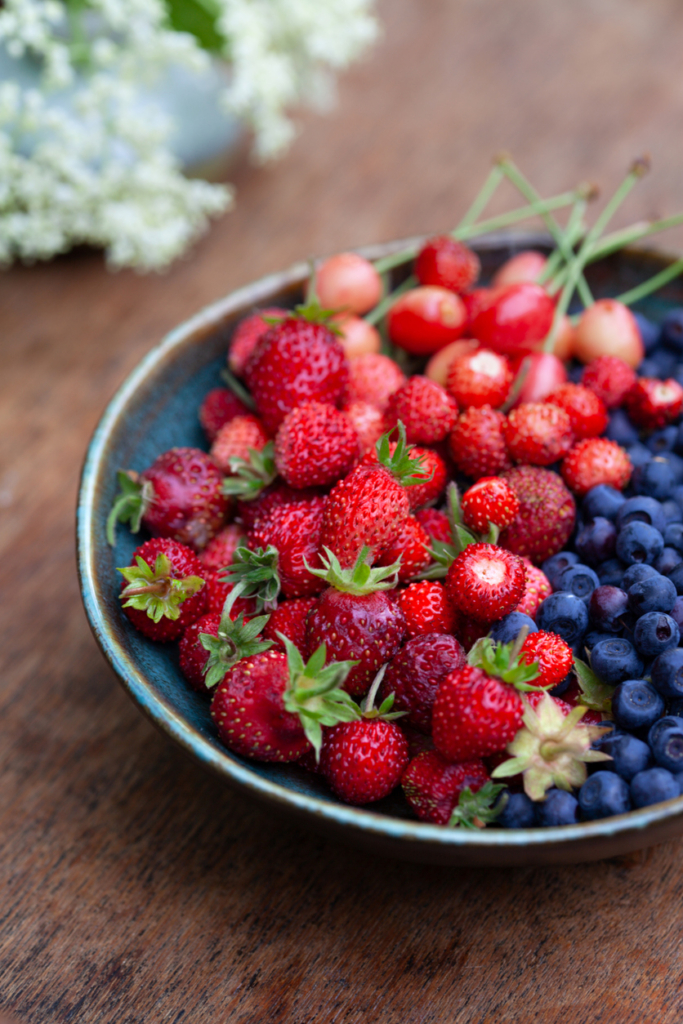
Recommended foods include green leafy vegetables like spinach and kale, berries such as blueberries, strawberries, and raspberries, whole grains, nuts, legumes, fish, poultry, and of course, olive oil.
Foods to limit are red meat, butter, cheese, pastries, and fast food—flavors many of us tend to overindulge in.
Small Changes Make a Big Difference
Dr. Morris’s influential study found that those who strictly followed the MIND diet had up to a 53% lower chance of developing Alzheimer’s.
Even more encouraging: moderate followers saw their risk drop by 35%.
So, perfection isn’t necessary—small tweaks can offer real protection.
Rush University experts emphasize that the MIND diet stands out because it works even with moderate adherence, unlike the Mediterranean or DASH diets, which showed similar benefits only when followed strictly.
How the MIND Diet Protects Your Brain at the Cellular Level
A study published in August 2025 by JAMA Network Open further highlights the MIND diet’s importance.
Researchers examined brain tissue from over 800 deceased individuals and found that those who followed the MIND diet during life had much less hippocampal sclerosis—a type of nerve cell loss in the brain area responsible for memory and learning.
That’s not all: diet followers also showed fewer LATE-NC changes—an age-related protein buildup linked to Alzheimer’s-like symptoms that can occur alongside it.
Researchers say this is among the first evidence that diet directly affects brain structure and cell health.

How to Make It Part of Your Daily Life
Harvard experts see the MIND diet as less about strict rules and more about mindful daily choices.
Here’s what they recommend:
- 3 servings of whole grains daily (like oats, brown rice, whole-grain bread).
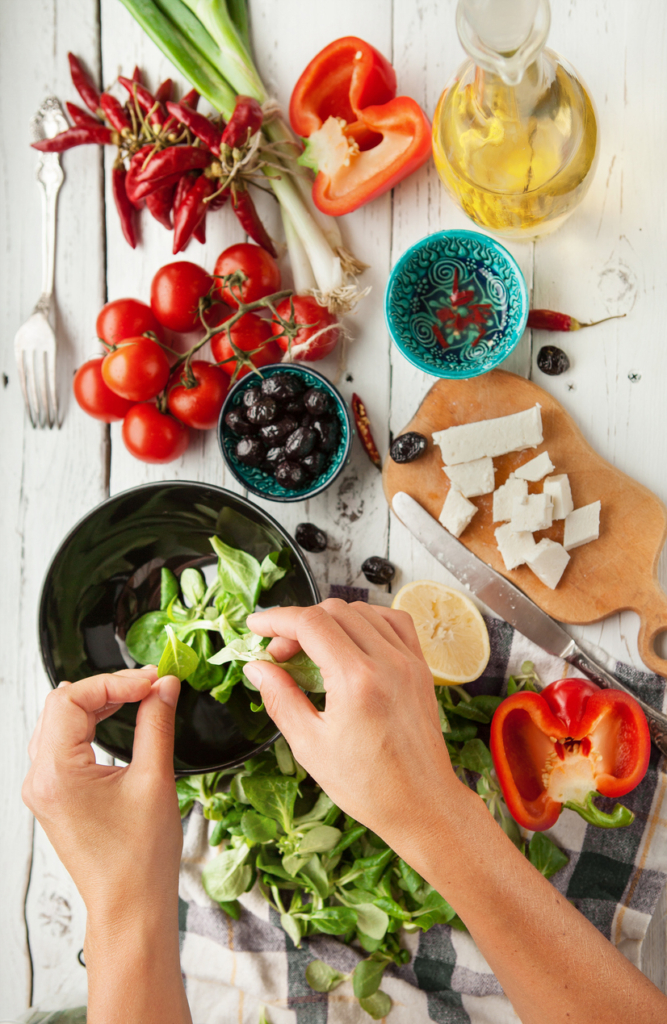
- At least 1 serving of vegetables daily, plus 6 servings of leafy greens weekly.
- 5 servings of nuts or seeds weekly.
- 4 meals a week with legumes (beans, lentils, chickpeas).
- 2 servings of berries weekly (blueberries, strawberries, raspberries).
- 2 meals a week with poultry.
- 1 fish meal weekly.
- Use olive oil as your main fat.
Foods to limit include:
- Fewer than 5 servings of pastries and sweets weekly.
- Less than 4 servings of red meat weekly (including beef, pork, lamb, and related products).
- Less than 1 serving of cheese and fried foods weekly.
- Less than 1 tablespoon of butter or margarine daily.
Small Steps for a Sharp Mind
Every mindful choice, green smoothie, fish dinner, and handful of nuts adds up to help us stay ourselves even in later years.
The MIND diet isn’t a magic cure but a long-term partnership with your brain. It’s a way of eating that blends science, pleasure, and self-care.
As researchers say: you don’t have to be perfect—just take small steps every day to protect your future memories.

Quick Tips – Start Today!
- Swap butter for olive oil.
- Add blueberries to your morning oatmeal.
- Make a salmon or chickpea dinner once a week.
- Snack on a handful of nuts in the afternoon.
- Keep a fresh salad ready in the fridge.
The MIND diet doesn’t restrict—it inspires you to nourish your body while protecting your mind.