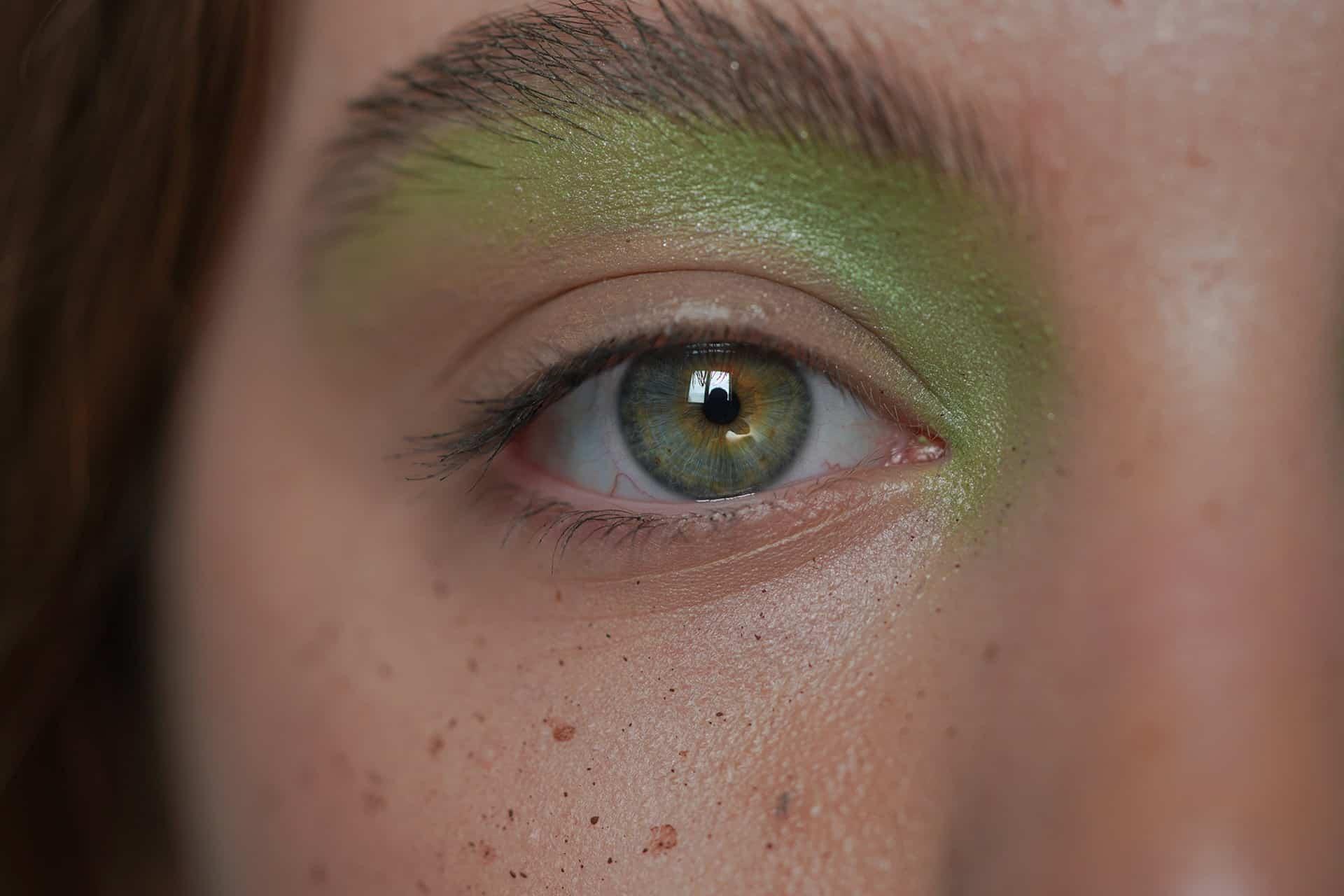
Green, often admired for its painterly beauty and seen throughout nature’s wonders, doesn’t just make landscapes special—it also colors a fascinating detail of the human eye. Known as the world’s rarest eye color, green eyes offer a unique look and hold many intriguing secrets you might not have heard before.
The Genetics Behind Green Eyes
The genetic factors that create green eyes come from an exciting biological mix. Among the gene combinations that determine eye color, the pairing needed for green eyes is quite rare, which is why fewer people have this special shade. The melanin pigment that colors the eye is present in smaller amounts than in brown eyes but more than in blue eyes.
Green eyes are most common in European populations, especially in northern regions. Countries like Norway and Finland have a higher percentage of green-eyed people, while southern areas see this eye color less often.
Green Eyes and Culture
The mystique of green eyes isn’t just genetic—it’s woven into cultural and historical traditions. In ancient times, green eyes were often linked to mythical figures, magicians, and gods. The Celts believed green eyes held special powers and treated those who had them with great respect.
Across cultures, green eyes have symbolized nature and fertility, making their wearers stand out with a natural beauty and vitality. Artists also frequently use green eyes to evoke mystery or uniqueness.
The Beauty of Green Eyes
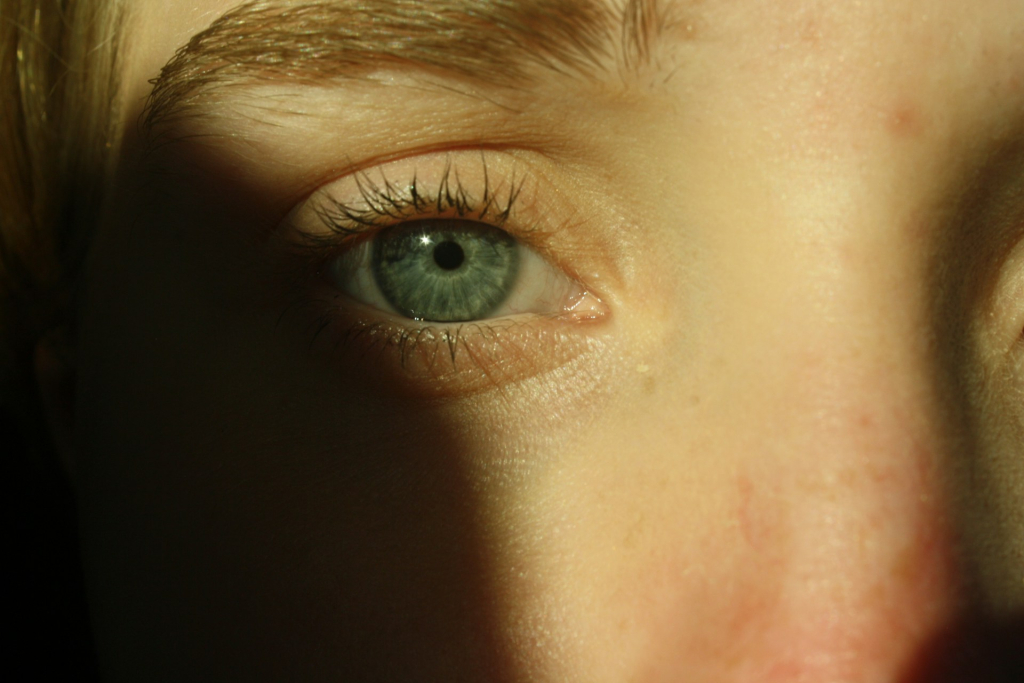
For many, the charm of green eyes lies in their rarity and unpredictability. Online surveys show people often find green eyes the most captivating, likely because of their unique color and the mystical ideas tied to them.
People with green eyes often receive compliments on their eye color’s beauty, partly because green eyes shimmer in sunlight, revealing different shades. This ever-changing quality means green eyes can reflect their wearer’s mood and the surrounding light, making them endlessly fascinating.
Green Eyes and Science
Scientists study green eyes to better understand the diversity of genetic combinations and the evolutionary role of different eye colors. Research explores how eye color might affect vision and whether green eyes offer any direct advantages or disadvantages.
So far, evidence shows green eyes don’t negatively impact vision quality. While eye color might influence perception and comfort, studies haven’t found enough proof that green eyes are especially sensitive to light.
Fun Facts and Famous Green-Eyed People
Many well-known figures proudly sport green eyes, adding to the color’s allure. This rare trait often creates a special connection among green-eyed people, almost like belonging to a secret club. The idea of green eyes symbolizing jealousy is also a popular theme in poetry and pop culture.
The beauty and uniqueness of green eyes go beyond genetics—they’re wrapped up in emotional and cultural stories throughout human history. Whether in science, art, or personal experience, green eyes have always inspired and fascinated people worldwide.