Have you ever had that moment as a parent when the thought crosses your mind: “When did things slip out of my hands that used to work?” If not, your child probably isn’t a teen yet. But if yes, welcome to the club!
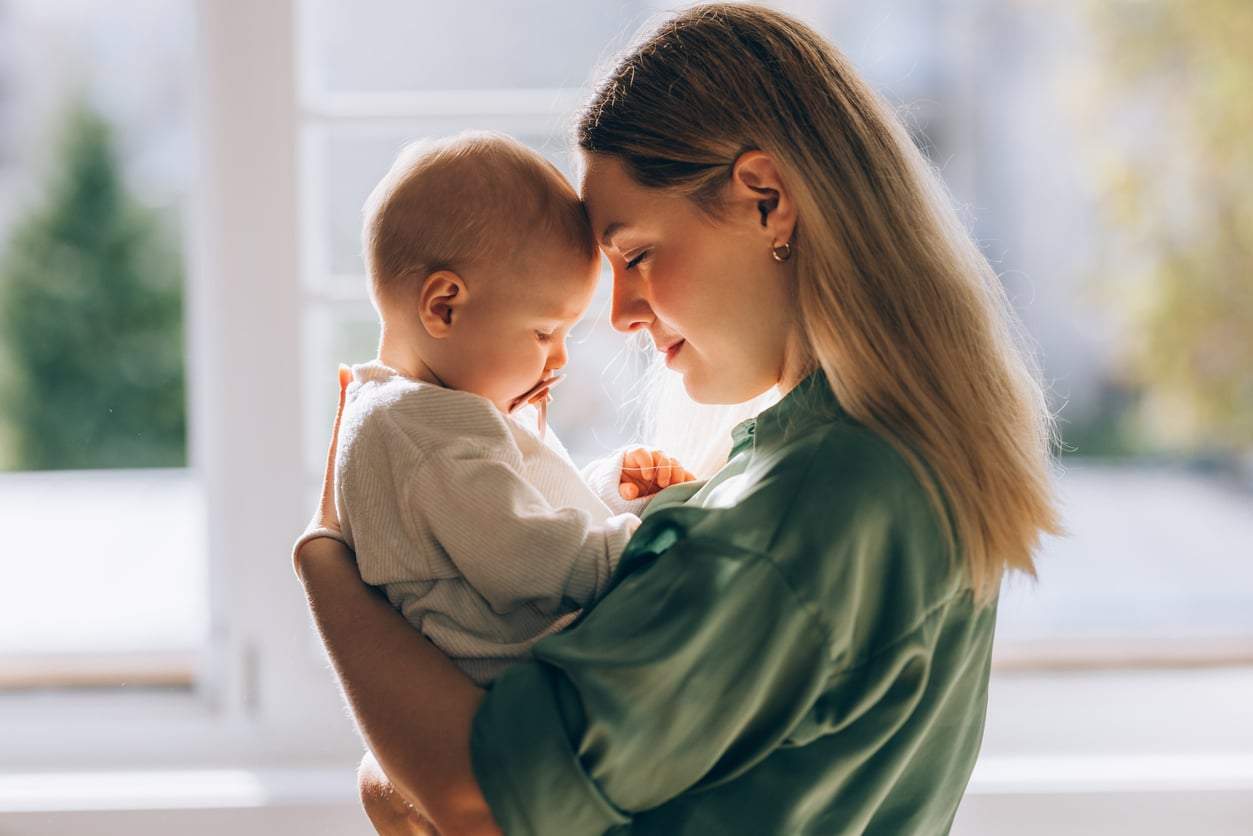
My daughter isn’t who she used to be, and I’m not the parent I once was — I’ve had to leave behind the past few years. So it was reassuring when I first realized many others feel the same way, and that this isn’t failure but simply a natural part of adolescence.
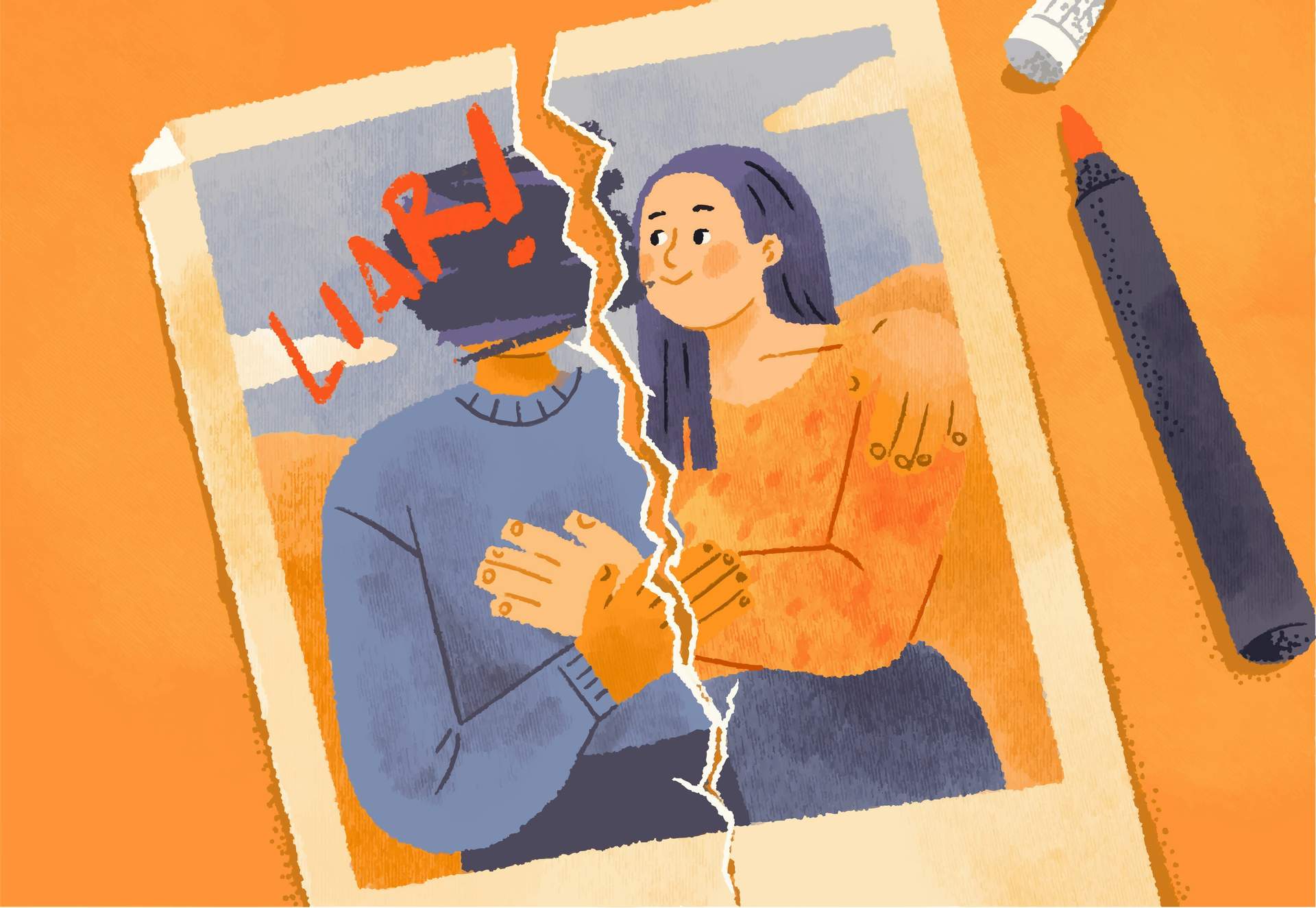
Raised by a generation focused on perfectionism, I tend to see parenting mistakes where real growth is happening. The cheeky replies, withdrawal, and rebellion felt like personal attacks at first, but they’re not directed at me. Adolescence is a biological storm: the brain rewires, the nervous system reshapes, and detaching is rarely gentle — it’s tough inner work for everyone involved. When I lose sight of this, it’s easy to blame myself, but really, I’m in the middle of a completely natural, ancient process.
At times, I can’t help but reflect on my own teenage years. That familiar, suffocating feeling of being misunderstood, overwhelmed by constant change inside and out. Now I’m on the other side, dancing the same dance my parents and grandparents did before me. This realization is both painful and comforting — what I’m experiencing isn’t a personal failure but a shared, human experience — even if it doesn’t make the situation any easier.
Different Ground, Different Rules
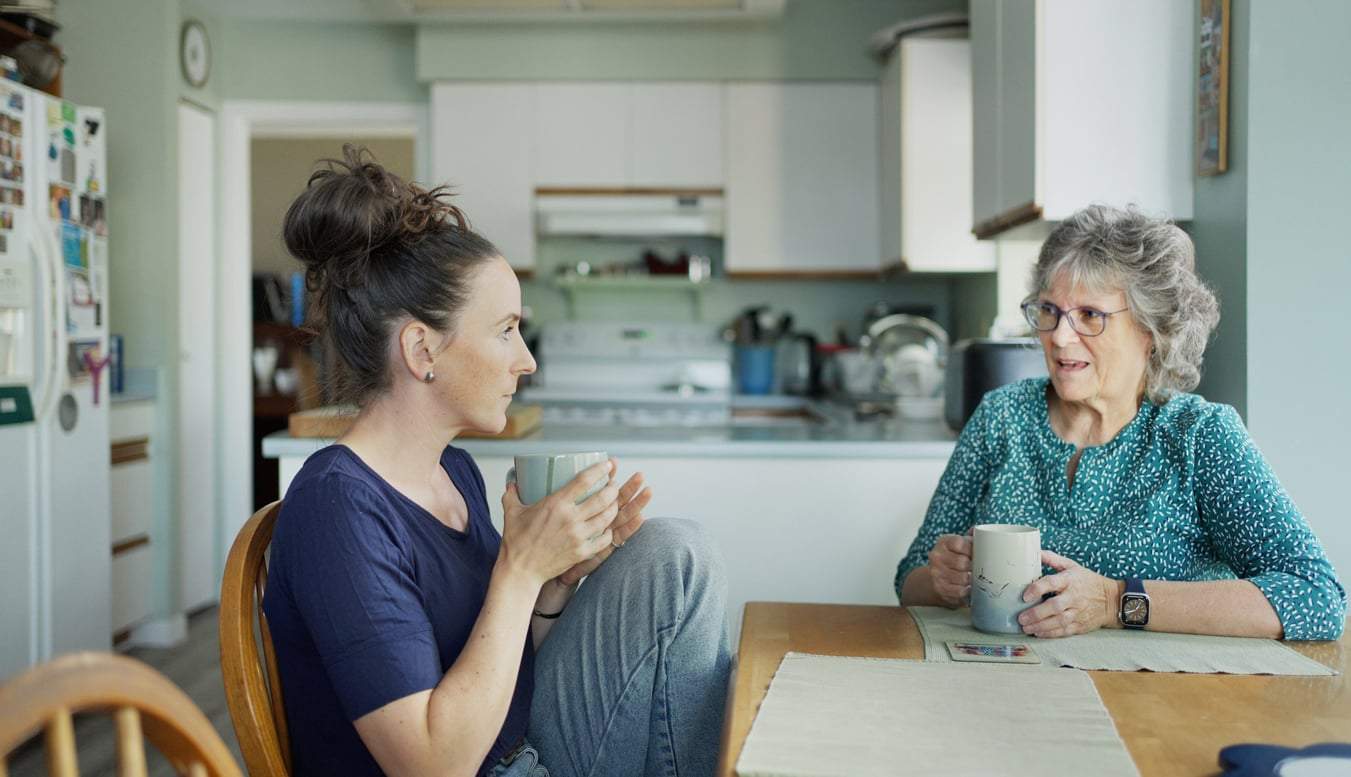
Today’s adolescence is a whole different ballgame than what I went through. Often, I feel I simply don’t have the tools to cope with this stage. Not because I’m doing it wrong, but because there’s no generational blueprint to follow. The world my daughter is growing up in is fundamentally different from mine. I don’t think everything is worse now, but even when I ask my parents, they often can’t offer much guidance — these situations are unfamiliar to them too.
When I was a kid, it was normal to be sent outside to play around the neighborhood, ride bikes, hang out with friends, and only show up for dinner. We learned responsibility almost without noticing.
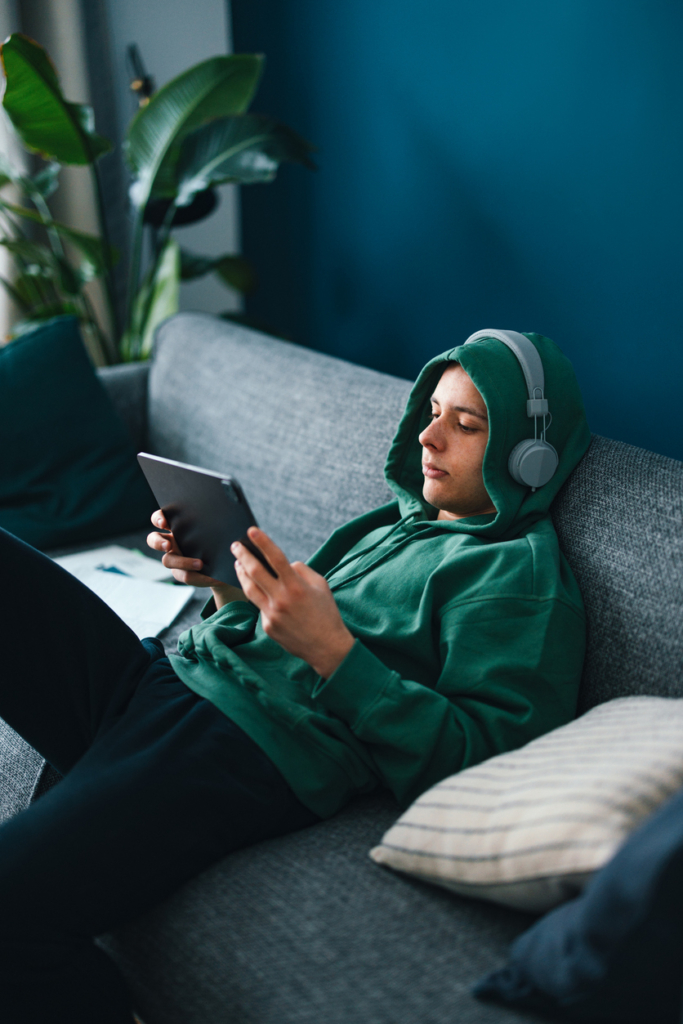
Today, many kids don’t even go outside, and parents are often reluctant to let them go.
But I do see the opposite too: around here, older kids meet up more often and have fun together, and when I see that, I feel a bit calmer. Because yes, the worry is real — the world has become a more dangerous place — but constant control often makes the very detachment teens need most harder. That tension eventually bubbles up as rebellion.
When the Phone Is Not a Tool but a Battleground
As a mom of a young teen, I see technology as one of the biggest challenges — at our house, most conflicts revolve around screen time and the rules we’ve set. According to the PEW Research Center’s 2024 report, 69% of parents feel the digital world makes parenting much harder than in past decades. But it’s not just us parents feeling the strain — kids do too. The impact of social media is especially concerning:
41% of parents see this as a top issue, since constant scrolling and comparison can easily lead to self-esteem problems, anxiety, and mood swings.

It’s important to say: these platforms aren’t inherently evil, but they’re not innocent either. Teens rarely see how these systems are designed to encourage compulsive use. This can come with cyberbullying, body image worries, fear of missing out, or even risks of sexual harassment. No wonder many teens feel overwhelmed, and it often shows in their school performance. It’s no surprise that across Europe, more regulations are being developed to limit social media use, as if finally recognizing this isn’t just an individual responsibility.
Still, there’s something I see as a strength. We talk about mental health so much more now than before. As a parent — I’d like to believe — I’m more sensitive, more attentive, and take my child’s inner world more seriously than previous generations did. And that’s no small thing. In fact, it might be one of the strongest protective factors young people can rely on today.