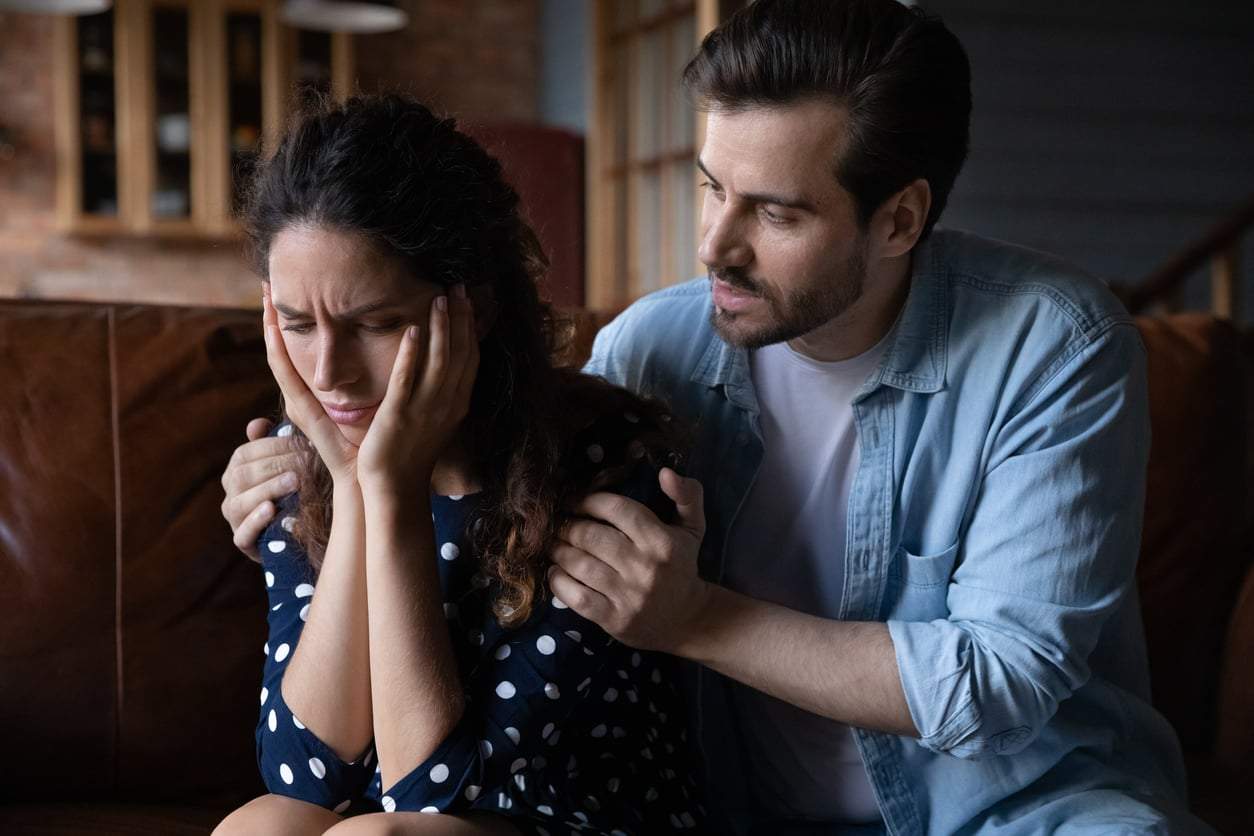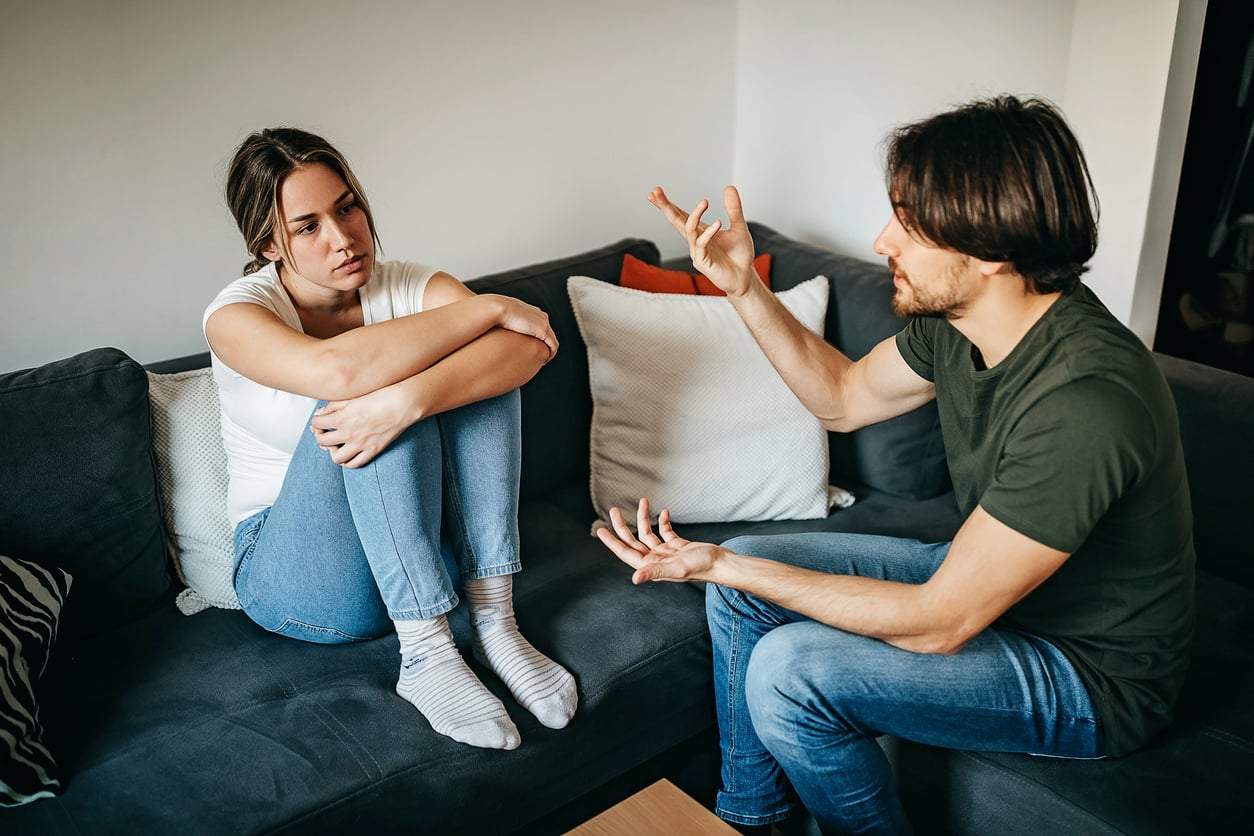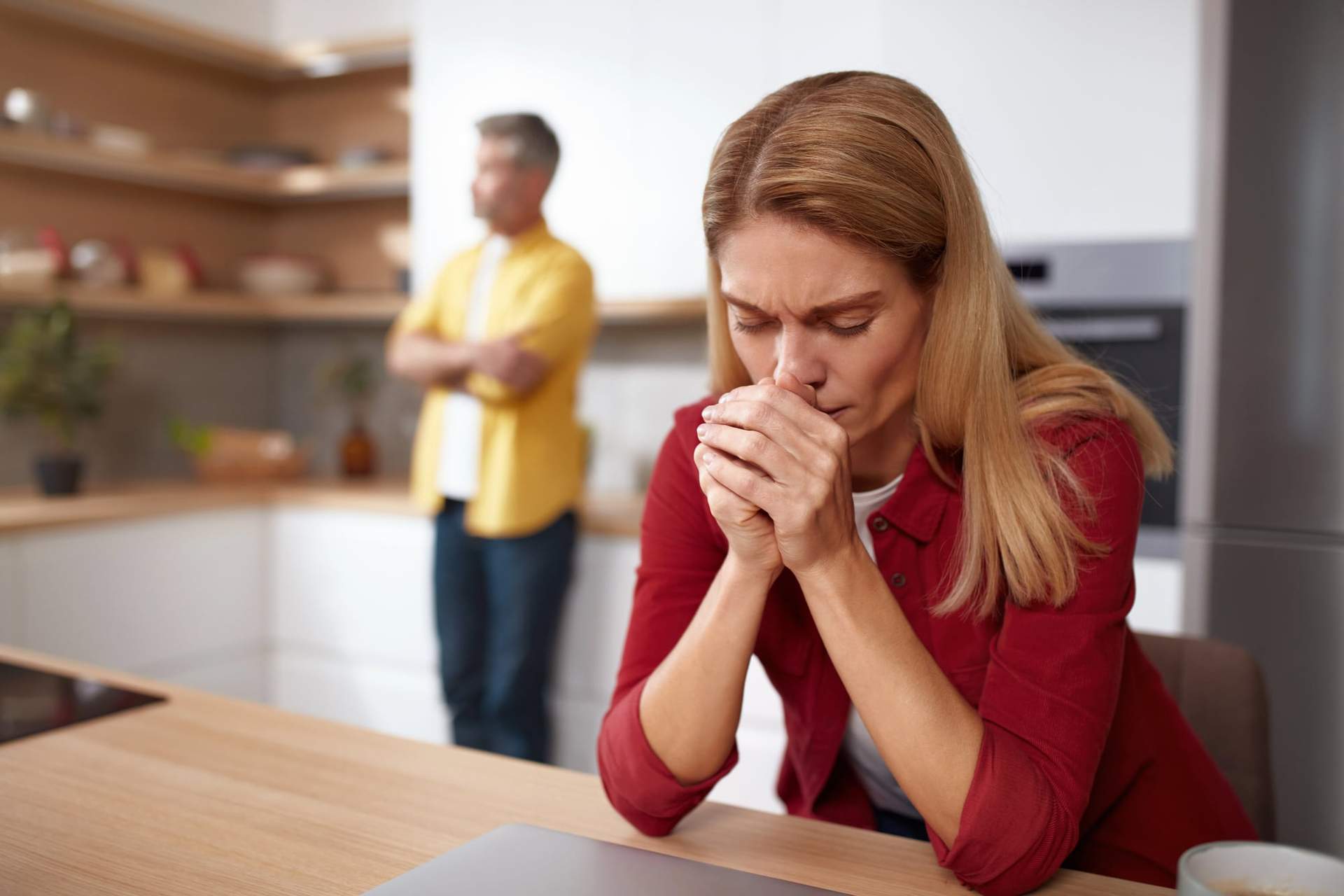
But what exactly is this dynamic, and how does it affect our relationships without us realizing it?
3 Signs of Emotional Dependency
Emotional dependency happens when one or both partners cling too tightly to the other, limiting their independence and decision-making. Here are some common signs that this dynamic might be present in your relationship.
- Lack of independent decision-making: Do you often wait for your partner’s approval before making choices?
- Constant need for attention: Do you feel you always need your partner’s presence or approval to feel comfortable?
- Fear of being alone: Do thoughts of being alone cause you anxiety and influence your relationship decisions?
The Impact of Restricted Freedom
These dynamics can deeply affect your self-esteem and independence over time. Emotional dependency often leads to losing control over your relationship and personal boundaries, gradually slipping into a submissive role.
Voluntary submission can block personal growth and impact the quality of your relationship.
Balance with your partner can shift, eventually leading to conflicts or even the end of the relationship.

How to Break Free from This Dynamic
The first and most important step is awareness. Once you recognize this challenge, you can start rebuilding your self-esteem and independence. Here are some steps to reclaim your freedom:
Develop self-awareness!
Get to know yourself—your strengths and weaknesses—to gradually regain your confidence.
Communicate openly
Talk honestly with your partner about your feelings and challenges to find solutions together.
Create your own time and space
Make time for yourself—whether it’s a hobby, hanging out with friends, or simply being alone—to reconnect with who you are.
In the complex world of relationships, the effects of emotional dependency run deeper than they seem. Restoring your self-esteem and independence is key to building a harmonious and balanced partnership. Remember, creating freedom and balance benefits both of you in the long run.