We all have those mornings when you just feel the day won’t go well. I kept telling myself until late afternoon that today would be different, but by 6 PM, I had to admit it wasn’t happening. Nothing moved forward, I couldn’t motivate myself to do anything, and frustration just kept building.
Out of a mix of embarrassment and desperation—not exactly self-love—I convinced myself to at least get up from the couch and step outside. A walk seemed easiest. I started with a short loop around the block, but once I got going, everything felt lighter. Each step eased the tension, and the fresh air felt so good that I ended up walking much longer than planned.
I was surprised how much this small choice transformed my evening. Being outside alone, listening to my music, without needing to talk or focus on anyone else—I even forgave myself for doing nothing all day.
By the end of the walk, I told myself that days like this happen, and beating myself up won’t help anyone. But if I close the day well, I’m more likely to start tomorrow with energy.
The Psychology of Walking Alone
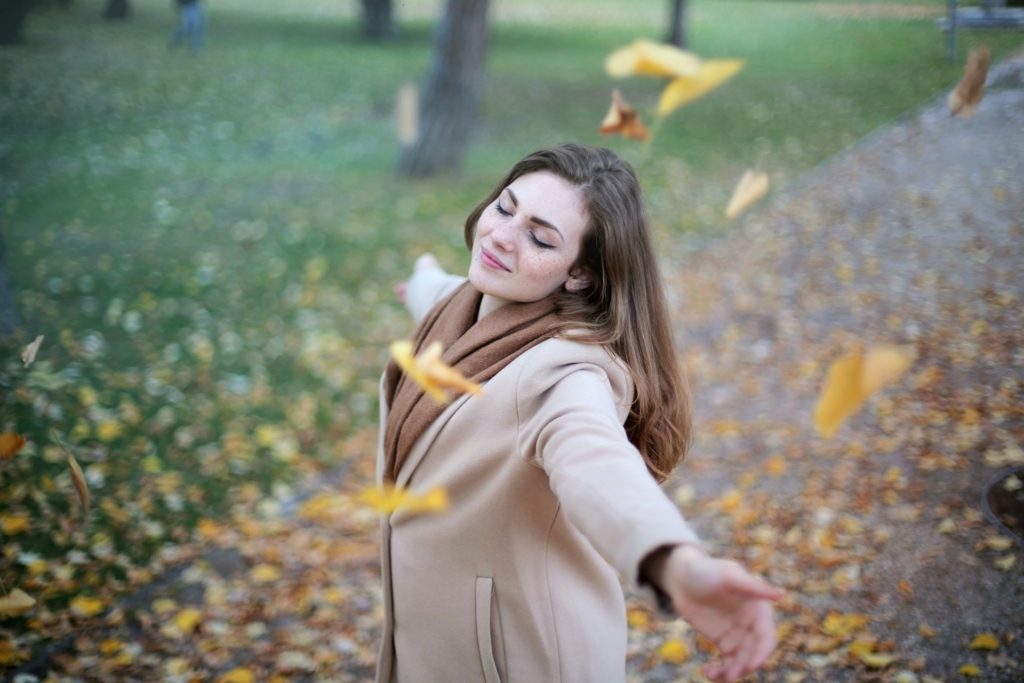
Since then, whenever stress piles up, I just step outside and wander without a set goal. I even started reading about the psychology of walking—and surprise, it’s not a new discovery.
Walking has been a favorite pastime of thinkers and artists for centuries. Research shows that walking—especially alone—boosts creativity. The steady rhythm and natural movement help new ideas flow and let us see old problems in fresh ways. A simple walk can break the mental block caused by hours hunched over a screen.
It’s also incredibly effective for managing stress. Walking lowers cortisol levels, relaxes muscles, and evens out breathing. This state alone is healing. Plus, spending time outdoors—whether in parks, streets, or quiet side paths—strengthens our connection to the world and pulls us away from inner noise.
Walking alone matters: while walking with others has its charm, solo time offers a unique kind of peace.
This solitude isn’t loneliness—it’s a conscious retreat. A space where you don’t have to perform or play a role, just be yourself. Meeting yourself like this often helps clarify what you feel, what hurts, and what you’re missing.
Why It Works Like Therapy
When walking becomes a habit, it turns into a ritual. No fancy gear, appointments, or special conditions needed—just comfy shoes and some time. Its effects are like a therapy session: mood lifts, anxiety drops, and mental resilience grows.
Besides boosting creativity, it deepens self-awareness. Alone, with no distractions, you tune into your inner voice. This often brings up thoughts and feelings hidden in the daily rush. I admit, sometimes I cheat a bit by listening to music—my favorite upbeat songs combined with light movement always lift my serotonin and mood.
A Small Habit That Can Change Your Life
Since that rough evening when I stepped outside, walking has become a regular part of my life. It’s more than a quick mood booster—it’s a form of therapy with lasting benefits. I’m not saying a walk will solve all your problems, but it can be the first step toward building a toolkit to help you thrive in any situation.
And you can take that first step today…