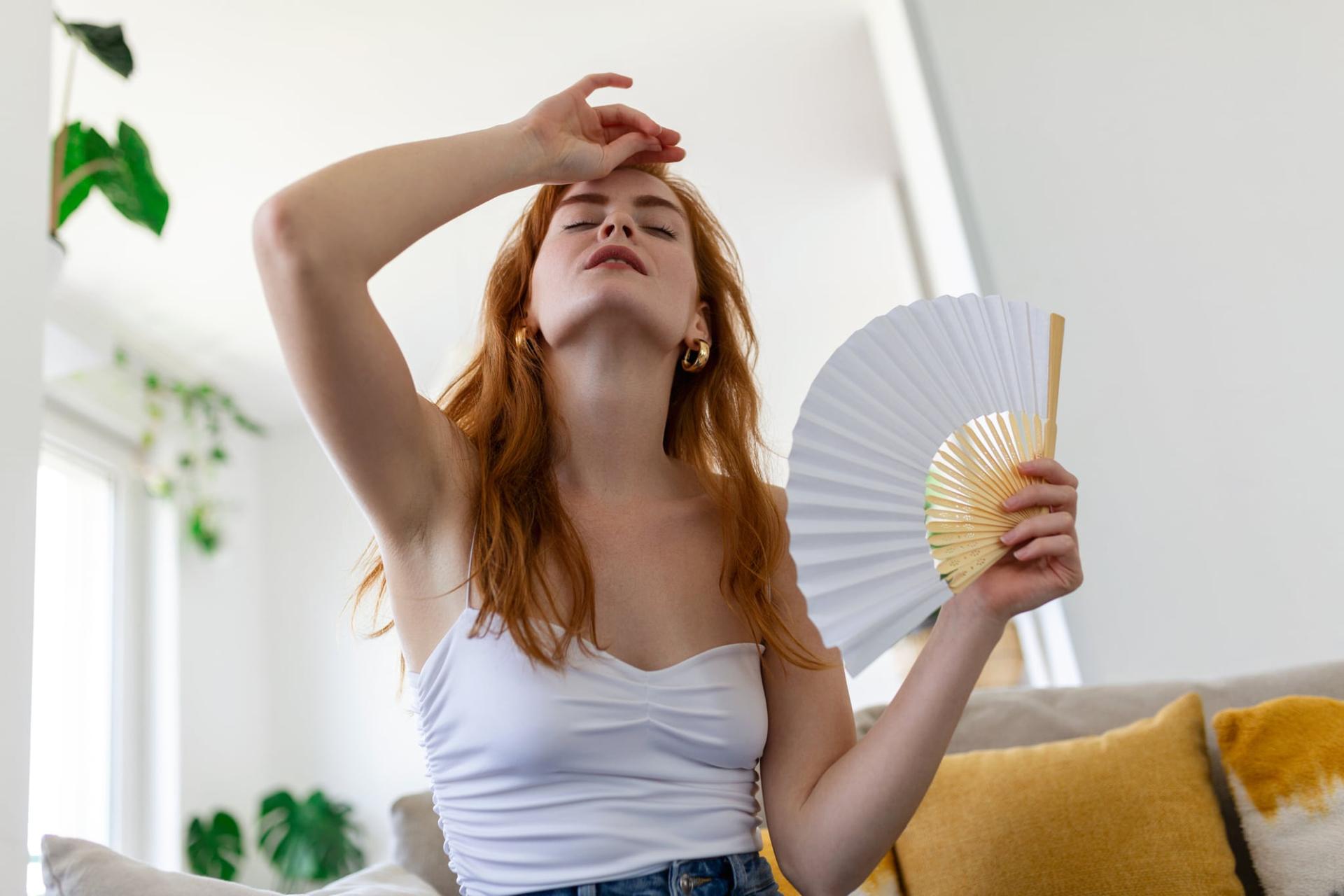
I love summer! With all its perks and quirks. But there’s one thing I don’t enjoy: high humidity and that sticky, heavy air. It feels like I can’t breathe, and my mood dips. I sweat more than when it’s just sunny and hot. Even my patience wears thin. I just want this discomfort to end — it even creeps under my skin. But wishing won’t make it stop, so it’s key to listen closely to my body’s unique signals.
I hate feeling unmotivated during these days. I don’t want to go out because I immediately want to turn back and spend the rest of the day soaking in a cold bath. When I have to go out, no outfit feels comfortable—I sweat right through it, and my makeup melts (unless it’s waterproof). Summer humidity is the worst when paired with stifling heat.
What Is Humidity?
Humidity happens when the air inside your home—basement or attic included—reaches the dew point. That’s the temperature where air can’t hold moisture anymore, so water vapor condenses on cooler surfaces.
How Humidity Affects You
Discomfort kicks in quickly when relative humidity climbs above 60%. That’s because high humidity makes it feel like you can’t catch a breath—the air feels heavy and muggy. Sweat evaporates slowly, so you don’t feel the cooling effect, even though you’re sweating more than usual.
This can easily push your body toward dehydration without you even realizing it.
If you have heart or circulation issues, you might be especially sensitive. High humidity doesn’t just affect how you feel; it can also impact your lungs. On the flip side, very low humidity dries out your mucous membranes, causing sore throats, coughing, eczema, and dry skin.
Besides breathing difficulties, watch for these signs linked to high humidity:
- eye irritation
- throat issues and coughing
- nasal congestion
- shortness of breath
- skin rashes and irritation
- headaches and migraines
- sleep troubles and fatigue
- muscle cramps
- allergic reactions
- more frequent respiratory infections
- worsened asthma symptoms
Humidity and dampness create a perfect home for mold and dust mites. Mold spores float in the air and can irritate your lungs and airways when inhaled.
How to Handle High Humidity
Avoid scheduling workouts on muggy days since exercise makes you sweat more, which feels worse in humid weather. Whatever you do, stay hydrated—drink plenty of water and replenish lost electrolytes. Wear loose, breathable clothes like linen or cotton that don’t cling to your skin. Stay in the shade when you can and limit outdoor time.
Protect your furniture and books because high humidity can damage wood and ruin books.
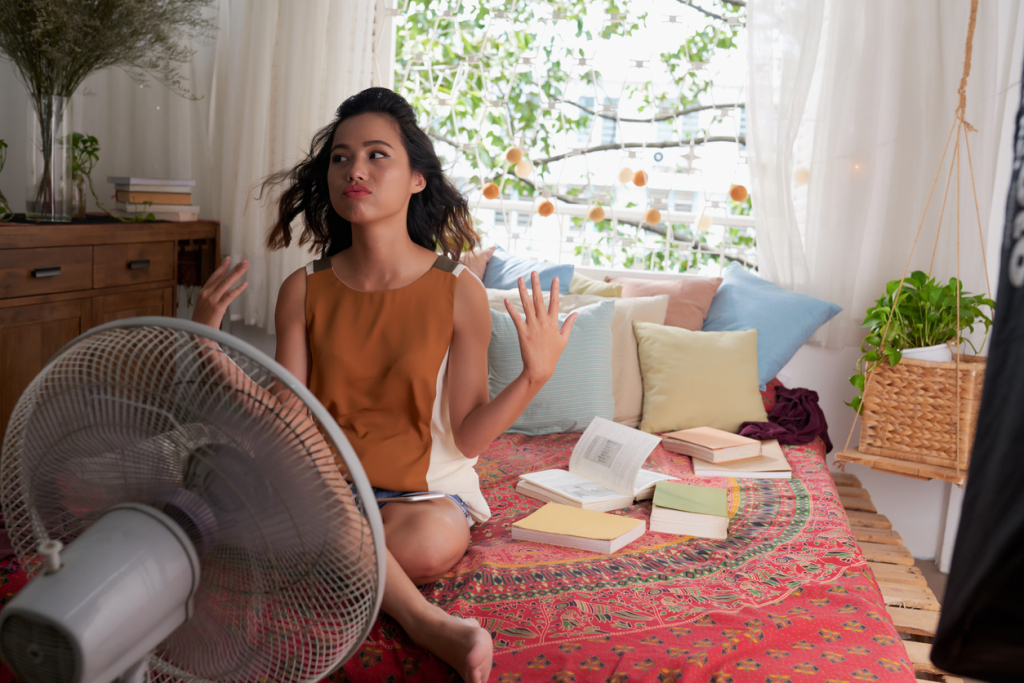
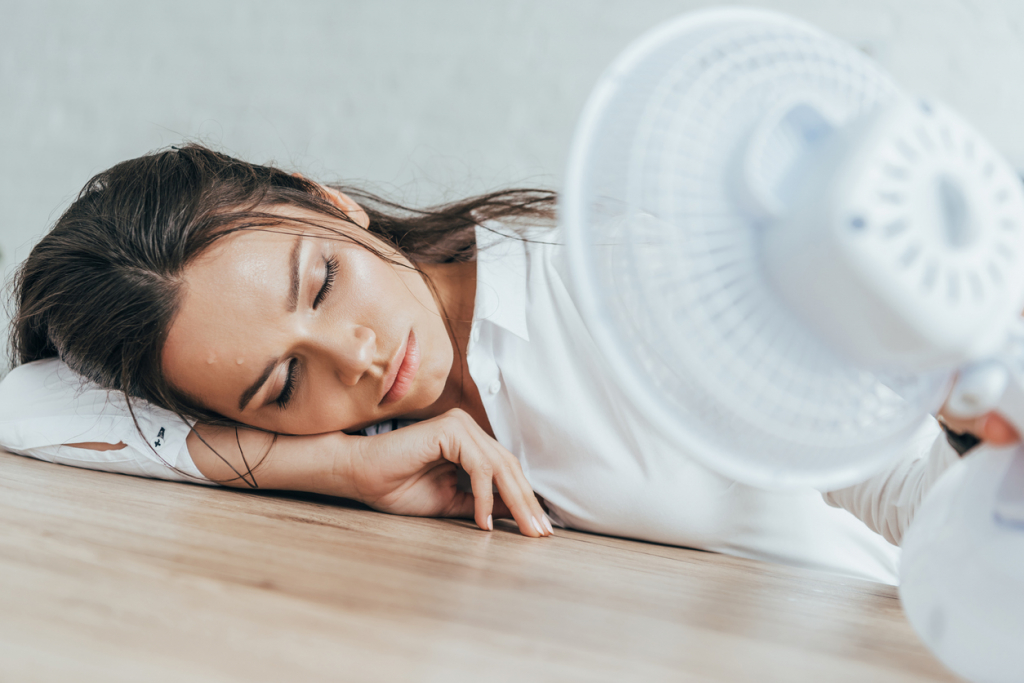
An air conditioner or fan can be a lifesaver by easing indoor stuffiness. If you have allergies, keep an eye on maintaining steady humidity levels.
Skip rugs and carpeted floors—they soak up moisture and become breeding grounds for mold, dust mites, and bacteria.