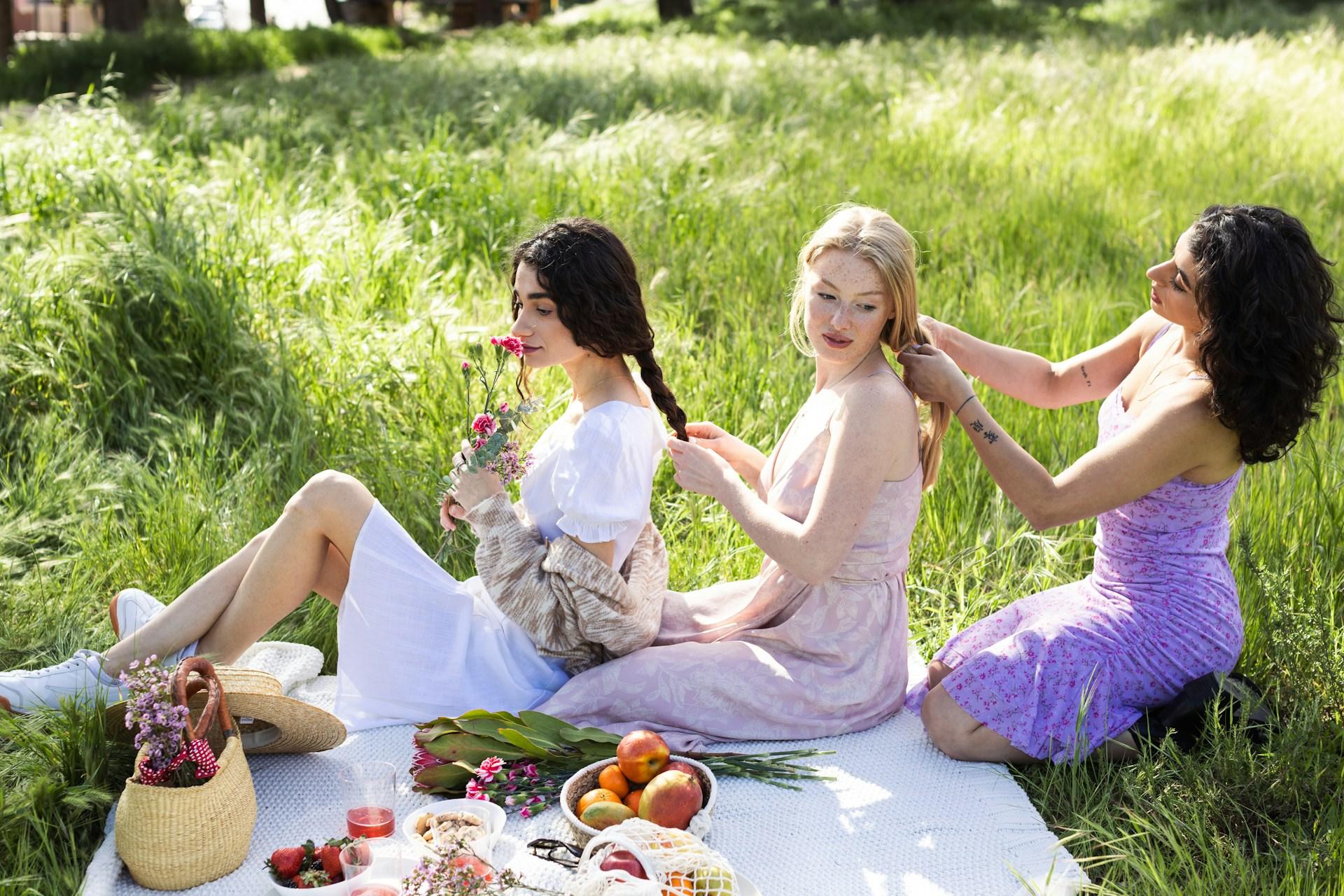
But where does all this come from? What’s the connection to John the Baptist, and why do so many hope to discover their true love on this night? Let’s dive into the history, folk traditions, and why these customs still thrive today—even though most of us no longer believe in witches. (Well… not everyone.)
Saint John’s Eve (June 23) is tied to the summer solstice, and Christianity turned it into a celebration of John the Baptist’s birth. We celebrate this day in June, linked to the longest day of summer, even though the shortest night of the year doesn’t always fall exactly then.
Hungarian Saint John’s Eve: Fire Jumping and Fortune-Telling
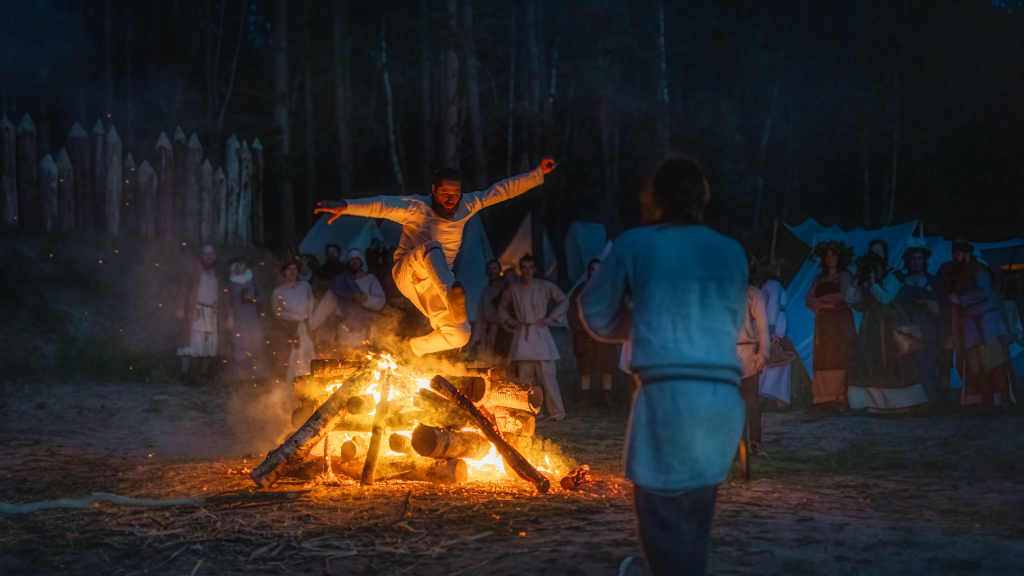
This tradition comes from pagan beliefs—jumping over flames was thought to cleanse and empower participants. The ritual brings luck, health, and openness to love—especially when couples jump together. It also symbolized fertility and protection.
People often tossed herbs into the fire, believed to ward off evil and bring luck and wealth. Some wrote wishes on slips of paper to burn, while others wrote down their troubles, hoping the flames would destroy them.
Sometimes apples were thrown into the big fire, with the hope that illnesses would stay far away.
Some girls threw their crush’s shoelace into the fire, hoping to spark a romance. Others lay down in hemp fields—if the hemp stood upright, it meant marriage was on the horizon.
European Parallels
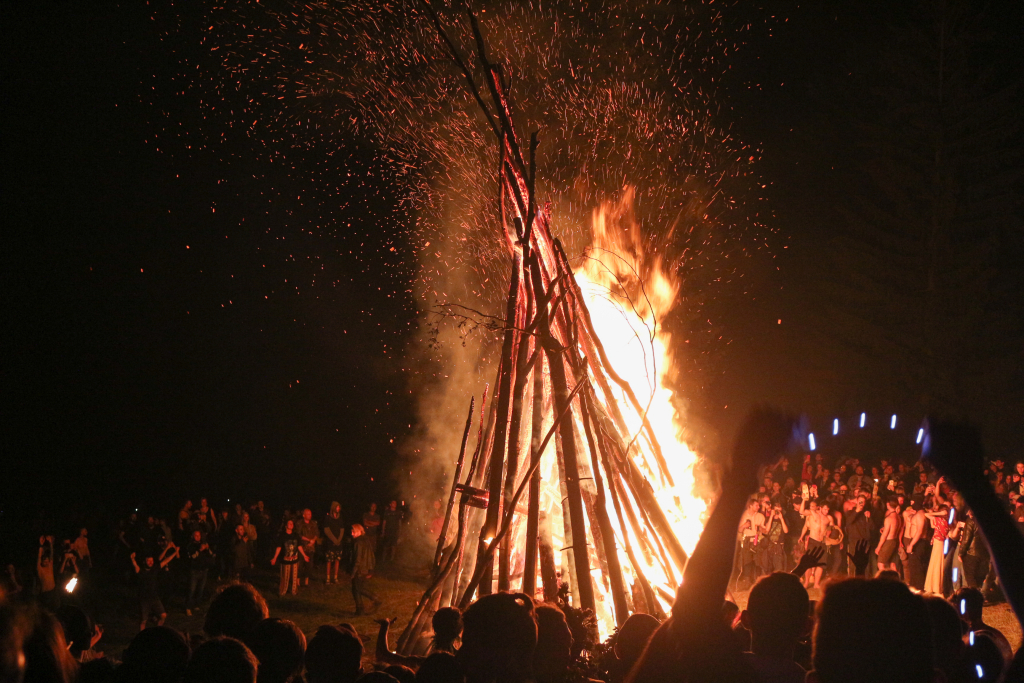
Similar traditions live on across Europe. In Finland and Estonia, giant bonfires light up lakesides to celebrate the solstice, where light carries cleansing power. In the Czech Republic, fire and wreaths are used to ask for health and luck. Fire jumping is also linked to driving away fevers and illness.
Ancient Customs Come Alive on This Night
Saint John’s Eve traces back to ancient sun-worshipping cultures tied to early agriculture. Structures like Stonehenge may have been built with the solstice in mind. Religious elements, like celebrating John the Baptist, blended with pagan beliefs between the 4th and 6th centuries.
Fire jumping often happens three times, symbolizing the Holy Trinity (Father, Son, and Holy Spirit). The ritual can include rolling fiery wheels downhill, representing the sun’s “turning point.”
Saint John’s Eve isn’t just a romantic myth—it’s a deep cultural celebration where fire, water, and nature’s power refresh body, soul, and community. Fire jumping cleanses, love predictions add excitement, and the festive mood awakens ancient energies. Whether you believe in these old superstitions or not, anything—and its opposite—can happen on this night.