Cover image: IMDb
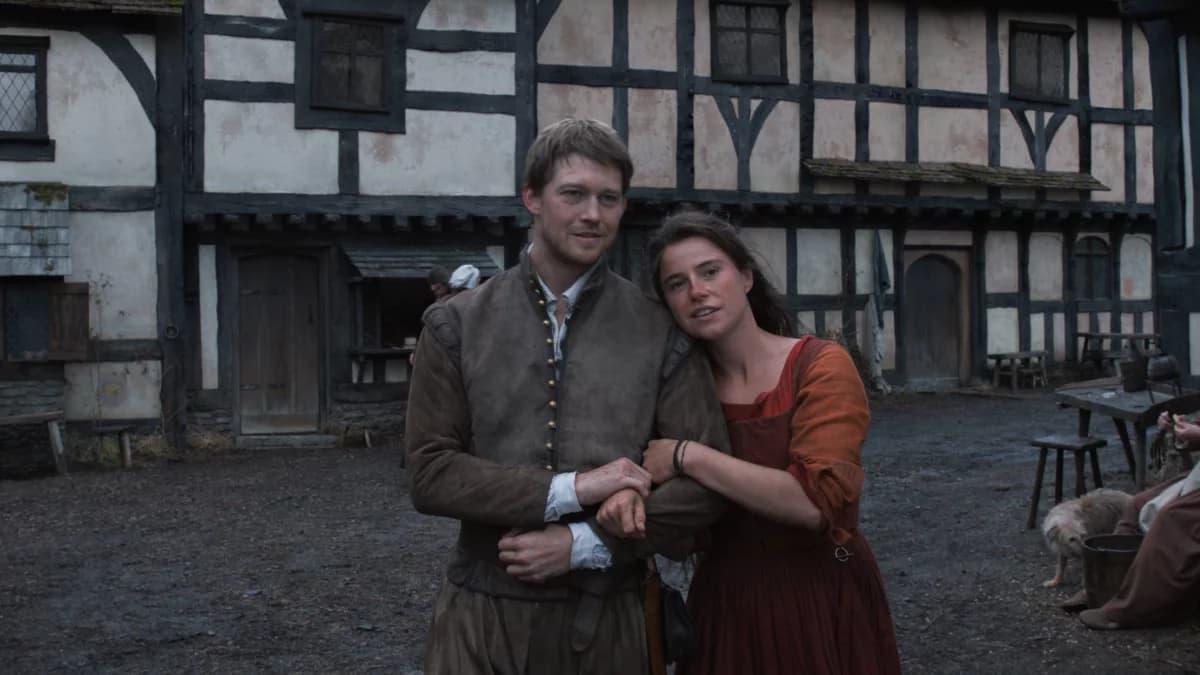
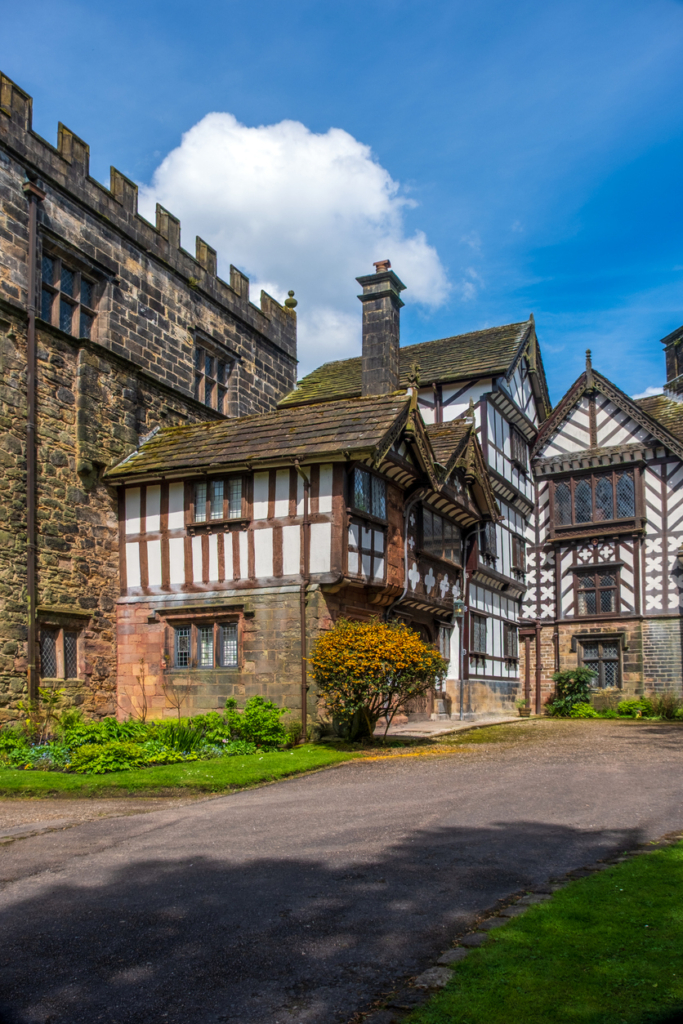
Spring often sparks a desire to step away from today’s rush and draw inspiration from the past. It’s no surprise that Hamnet — directed by Chloé Zhao and based on Maggie O'Farrell’s novel — resonates with many viewers. This story not only opens a window into William Shakespeare’s family life but also into the homes of a bygone era.
According to the BBC, these houses are like “time windows”: spaces where daily life from the 16th and 17th centuries still comes alive today. Even more exciting, these homes continue to inspire modern living.
Simplicity That Feels Like Luxury Today
Tudor-era interiors might seem plain at first glance, yet they hold a deeply comforting charm. Handmade furniture, local materials, and practical solutions reflect a lifestyle where every object truly mattered.
Lucy Armstrong-Blair, cultural heritage curator at the National Trust, told the BBC that people owned far fewer belongings, but those items were durable and meaningful. This mindset feels especially relevant today, in an age focused on sustainability and mindful home creation.
The Kitchen: The Heart of the Home
In 16th-century homes, the kitchen was more than a place to cook — it was the family’s gathering spot. Huge fireplaces cooked multiple dishes at once, and water was often drawn from nearby springs.
Interior designer Patrick Williams emphasizes that in historic buildings, the structure itself should guide how the space is used. A carefully restored room becomes a living, breathing home — not a museum.
The Great Hall: Status and Community
In wealthier homes, the “great hall” was the hub of social life. Meals were shared here, guests welcomed, and social rank displayed.
Architectural historian Caroline Knight explains that raised platforms, wall tapestries, and high windows all emphasized status. Meanwhile, fragrant herbs often covered the floors — a practical, natural way to keep things fresh.
Bedrooms: Intimacy and Warmth
Canopy beds weren’t just decorative: multiple people often shared a room, so curtains provided privacy and warmth.
Clothes were stored not in wardrobes but in chests — another sign of how function shaped daily life.
Hidden Meanings in the Walls
Tudor and Jacobean houses were practical but also symbolic. Marks carved into door frames and fireplaces — called “witch marks” — reflect the beliefs of the time.
In a world William Shakespeare also evoked, the supernatural was a real threat. These symbols were meant to ward off evil spirits and can still be seen in many places today.
Windows, Walls, Materials: The Spirit of Place
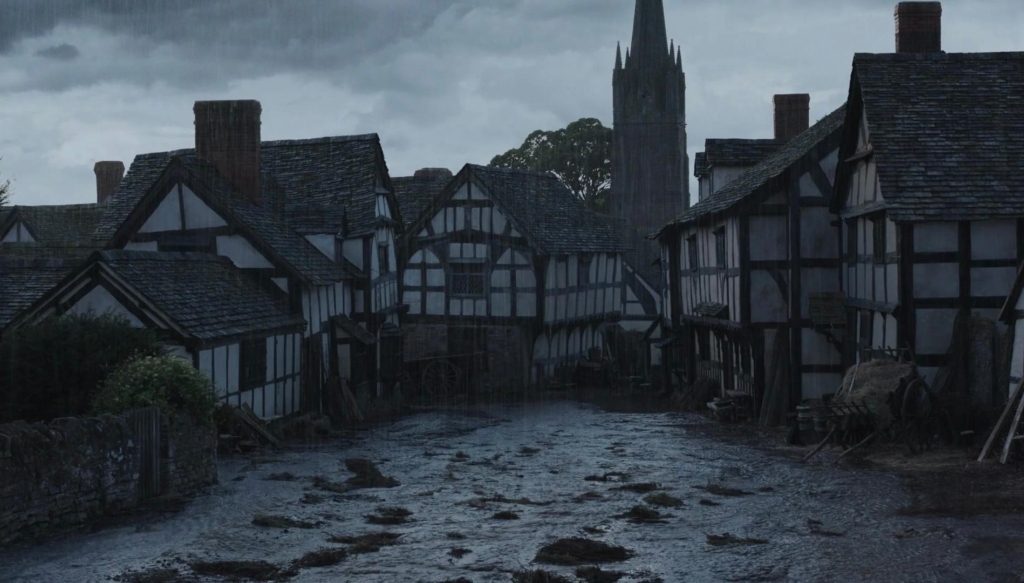
Buildings of the era were deeply connected to their surroundings. Oak, elm, and locally quarried stone — every material came from nearby.
Small leaded windows were not only practical but also created a unique atmosphere. Patrick Williams says their “romantic imperfections” hold their true beauty.
Why It Still Inspires Us Today
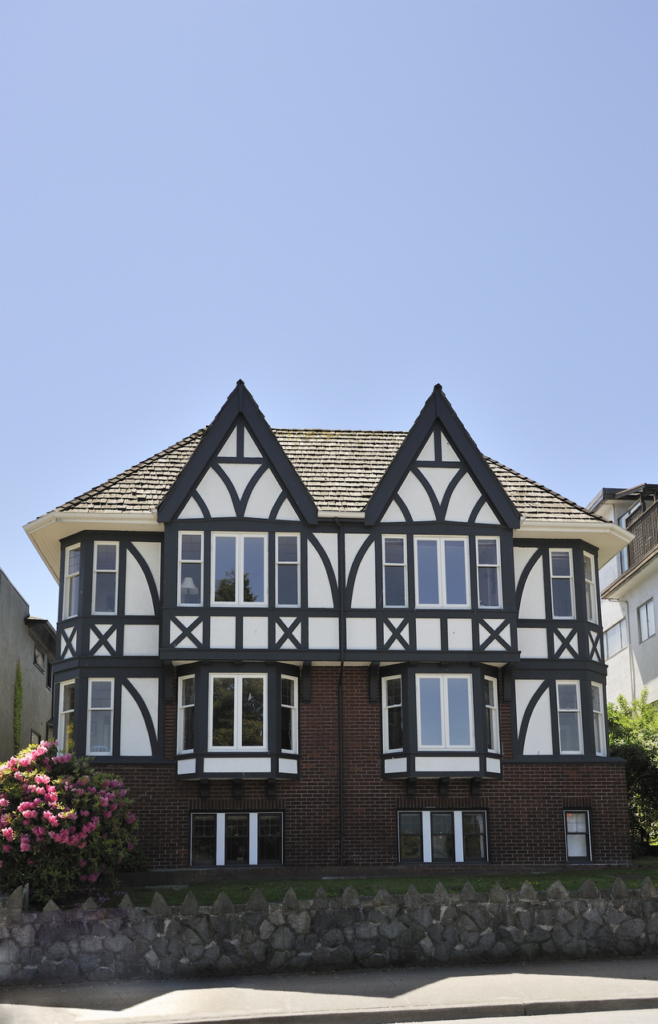
The book The House Rules shows how these historic homes come alive again. They don’t just preserve the past — they give it new meaning.
The world of Tudor houses reminds us that home isn’t about how much stuff we have, but the quality of materials, the meaning of space, and the rhythm of life.
Back to Our Roots
The success of Hamnet and growing interest in historic homes show more people are seeking authentic, slower ways of living. Natural materials, craftsmanship, and timeless design are enjoying a fresh renaissance.
Maybe that’s the biggest secret of Tudor houses: they don’t just preserve the past, they help us rethink the present.