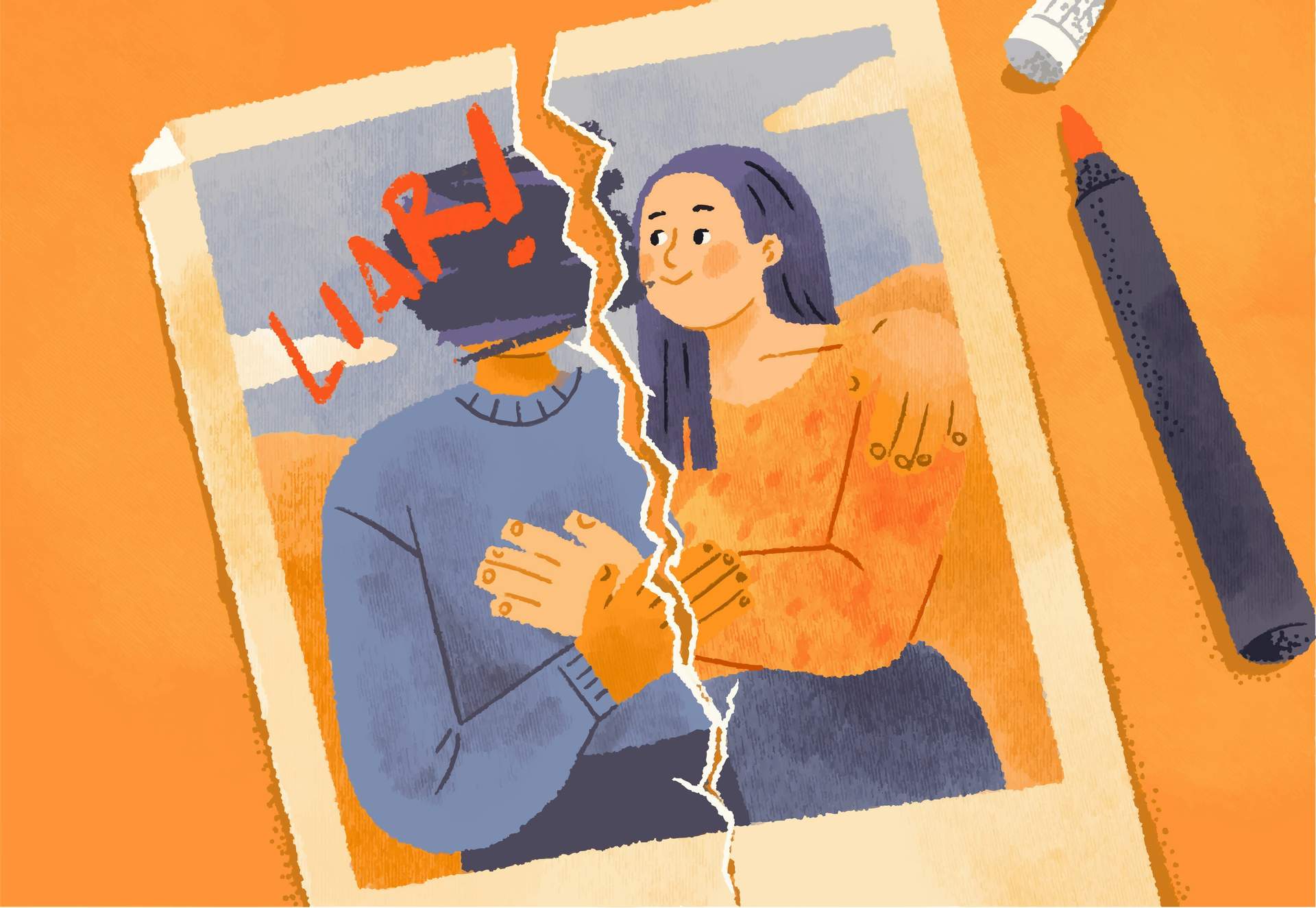
So, what have we learned about these adult attachments over the past decades? First and foremost, they represent a complex emotional state between two people, where entanglement, painful breakups, isolation, manipulation, and cycles of intermittent reinforcement all play a role.
The emotional chaos in these relationships becomes highly addictive, often leaving one person feeling powerless while the other takes more control. This can show up as mild dysfunctional behavior triggered by childhood attachment wounds or as extreme abusive dynamics that harm the victim. Understanding this spectrum is key to recognizing the nature and severity of the bond—and ultimately how to heal.
The 7 Stages of the Trauma Bonding Cycle
Trauma bonding unfolds in different stages:
- Lovebombing
In this initial phase, the abuser overwhelms their partner with excessive admiration, attention, and/or gifts. This intense affection can be confusing and quickly creates a deep bond with the abuser. - Building Trust and Dependence
The abuser gains trust by seeming caring and reliable. At the same time, they foster dependence by isolating the victim from other support systems. - Criticism
The abuser starts undermining the victim’s self-esteem with accusations, slander, and insults. This shift is shocking and confusing, making the victim question their worth and reality. It also pressures them to please the abuser to regain love and attention. - Manipulation and Gaslighting
Emotional abuse escalates through manipulation and gaslighting. Victims doubt their perceptions and memories. The abuser blames the victim, denies their actions, minimizes abusive behavior, isolates the victim, and controls various aspects of their life. - Surrender and Giving Up
The victim begins to comply with the abuser’s demands to avoid further conflict. - Losing Yourself
The victim becomes so dependent on the abuser that they lose their sense of identity. Isolation and emotional manipulation lead to serious mental health challenges like hopelessness and depression. - Cycle Addiction
The cycle of abuse and intermittent affection creates a powerful, addictive pattern. The abuser’s occasional lovebombing renews the bond, making it harder for the victim to leave.
Recognizing these stages is essential to understanding trauma bonding dynamics and seeking the right support. The victim doesn’t have to stay stuck in this cycle; help is available.

How Can You Heal from It?
The impact of trauma bonding on individuals can be so strong that they lose their self-awareness and identity. Their emotions become entangled with their partner’s, making it hard to separate their partner’s needs, feelings, and experiences from their own.
While the guidance of a compassionate and understanding therapist can be invaluable on the path to healing, the following practices can also help you navigate the emotionally turbulent period of breaking trauma bonds with more ease.
- Build Mindfulness and Self-Awareness
Start by understanding what triggers your emotions and patterns. Meditation and deep breathing help you stay present, while journaling or therapy can reveal when and why you became emotionally dependent on others. - Set Healthy Boundaries and Strengthen Supportive Relationships
Work on establishing and maintaining boundaries in your relationships. Surround yourself with friends and family who respect these limits and encourage your growth. - Foster Self-Esteem and Independence
Choose activities that boost your confidence and self-worth, proving to yourself that you can make decisions without relying on others. This could be pursuing a hobby, setting personal goals, embracing new challenges, learning new skills, and celebrating even the smallest wins.