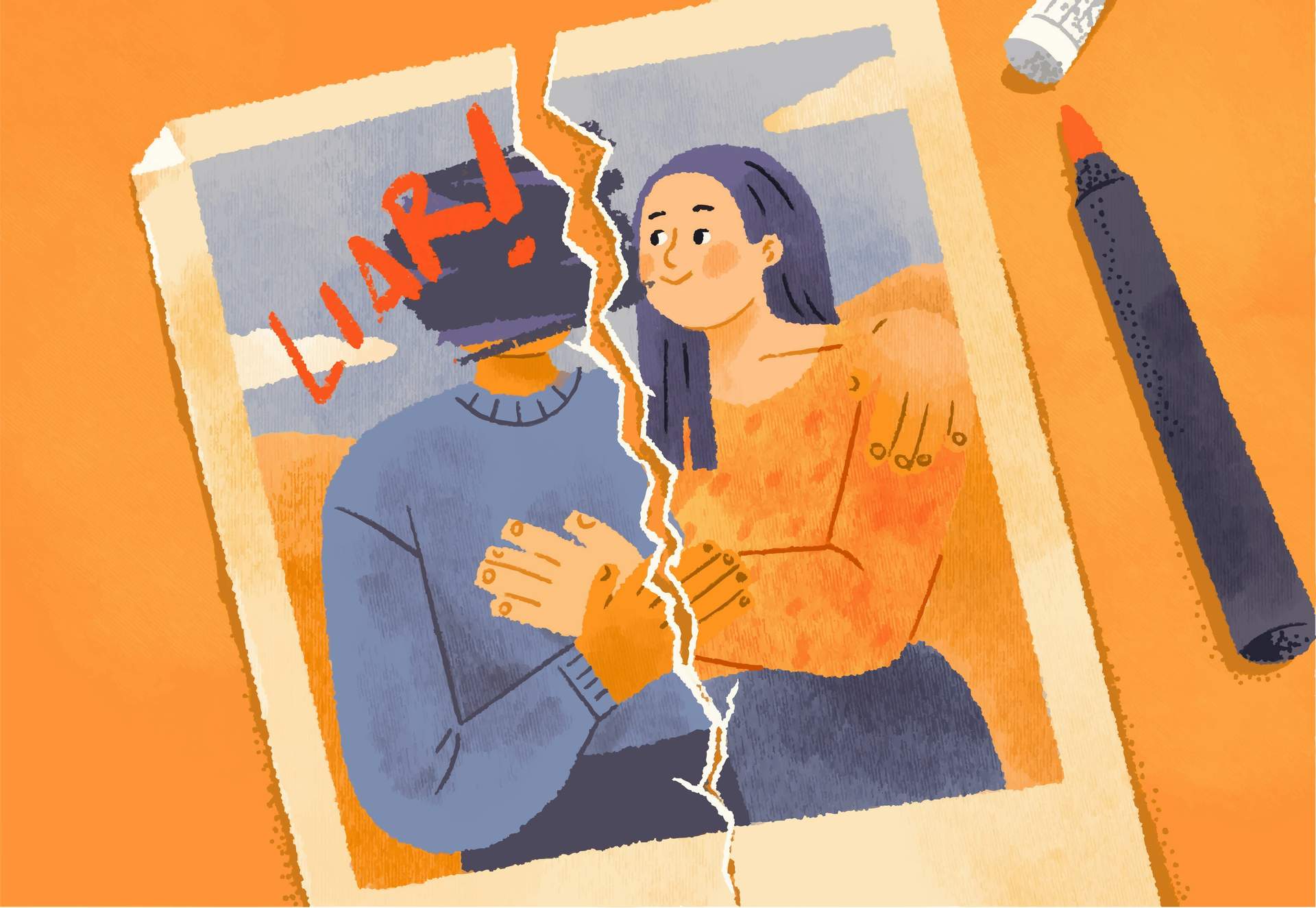
It hit me during a therapy group session: my connection with one of my friends wasn’t just a simple friendship, but an unconscious trauma bond.
That might sound odd at first, since most people associate trauma bonds with romantic relationships—stories of abuse, passion mixed with pain. But reality is much more nuanced. For me, the pattern I recognized in my friendship was something I first experienced long ago, as a child. It was about feeling the need to please and always wrapping my own needs carefully, as if I had to prepare for coming out on the losing end.
Growing up changes the dynamic
This dynamic quietly shaped our relationship for over 20 years. Old habits kept me shrinking back, agreeing with her, avoiding conflict, always watching my words so I wouldn’t hurt her.
Then I started focusing on myself, diving deeper into self-awareness. She supported this only briefly—understandably, since she sensed things between us were shifting. Over time, I found myself speaking my mind more often, no longer afraid to share a different opinion.
That’s when the spell broke: what once worked suddenly felt like an attack to her. I set boundaries, which sparked a cold war, guilt-tripping, and hurt feelings. I felt like I’d slipped back into childhood patterns. It wasn’t easy, but I wasn’t that little girl anymore—I finally said: this friendship is over.

Trauma bonds aren’t just about love
I used to think trauma bonds only happened in toxic romantic relationships. Hollywood shows it as a wild emotional rollercoaster—deep wounds, passionate makeups, and then the cycle repeats. Now I know this pattern can hide in friendships too.
The key isn’t who the other person is (partner, friend, or coworker), but that they’re both a source of comfort and pain. This duality glues people together so tightly it’s hard to break free or even see what’s really going on inside.
Plus, these relationships aren’t always bad. Often, the strongest bonds come from the best moments—shared laughter, secrets, a sense of alliance, and knowing you’re going through the same struggles. We cling to these memories even when the other’s behavior hurts. The good times feel so nostalgic they almost erase the bad.
It can feel like the relationship is special and irreplaceable, but underneath, we’re walking on eggshells, afraid to say the wrong thing or react “wrong,” because then comes distance, hurt, or feeling worthless.
Recognizing this is tough because we usually blame ourselves, not the other person. We think if we’d said things differently, been less harsh or sensitive, or asked for less, everything would be fine. But this just keeps us working against ourselves. We push our needs aside to avoid “messing things up,” trapping ourselves even deeper in the bond.
The price of freedom: staying true to yourself
My turning point came when I refused to blame myself and spoke my truth—not harshly or hurtfully, but directly. What followed convinced me completely.
At first, my friend started insulting and hurting me. Then, when she recognized herself in my words, she suggested we “stick to everyday topics.” Yes, everyday topics keep the water calm and avoid any change.
Losing this friendship was painful—it had been a huge part of my life for so many years. But it was also freeing: I no longer had to tiptoe around her moods or love, or fear that my worth depended on meeting her expectations. Letting go meant realizing I didn’t have to cling to what no longer nourished me but held me back. That freed-up energy helped me deepen my other friendships and more.
A trauma bond isn’t weakness or a sign you’re not enough, nor does it mean the other person is terrible. It means past experiences are still shaping you. The first step is recognizing that it’s not normal to feel constantly uncertain, tense, or self-critical in a relationship. The next is setting boundaries and clearly stating what you won’t accept anymore.