Reheated Rice Dishes: The Hidden Danger
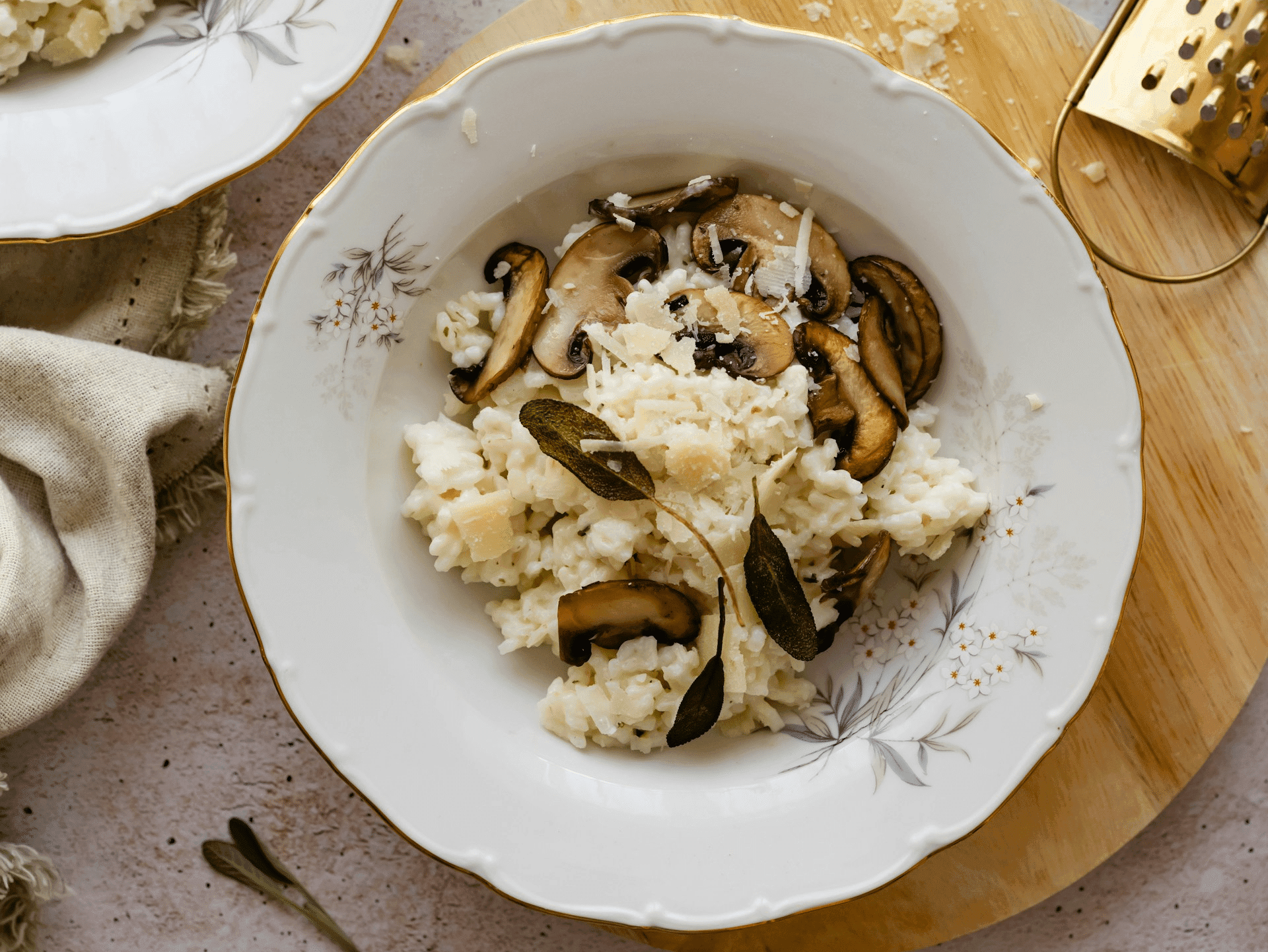
Rice is a magical ingredient that fits perfectly in many dishes—from Asian cuisine to traditional Hungarian stuffed cabbage. But once cooked and stored for more than two days, it can pose a real risk. Rice can harbor spores of the Bacillus cereus bacteria, which multiply quickly under the right conditions. These spores resist heat, so even reheated rice can be risky for your health. How to stay safe? Cool rice quickly before storing it in a sealed container in the fridge. The best bet is to cook only what you’ll eat fresh.
Egg Dishes: When Do They Become Risky?
Eggs are packed with protein and nutrients, making them great for salads, sandwiches, and main dishes. But if they’ve been in the fridge for hours, be cautious. Proper cooking kills most bacteria, but bacteria can grow again during refrigeration. Salmonella is especially concerning, causing symptoms like diarrhea, vomiting, and fever.
What’s the fix? Store egg dishes in airtight containers in the fridge and eat them within one to two days. For longer storage, it’s best to consume them fresh or keep them chilled and eat within 24 hours.
Cooked Potatoes: Nutrient-Rich but Risky
Cooked potatoes are versatile, great as a side or main dish. But they can also be a breeding ground for bacteria, especially if left warm for too long. Their high starch content creates ideal conditions for bacteria like Clostridium botulinum, which produces one of the most potent natural toxins.
How to stay safe? Cool cooked potatoes immediately after cooking and eat them within 2 days. If reheating, make sure the internal temperature is high enough to kill any resistant bacteria.
Seafood: Delicacies to Enjoy Quickly
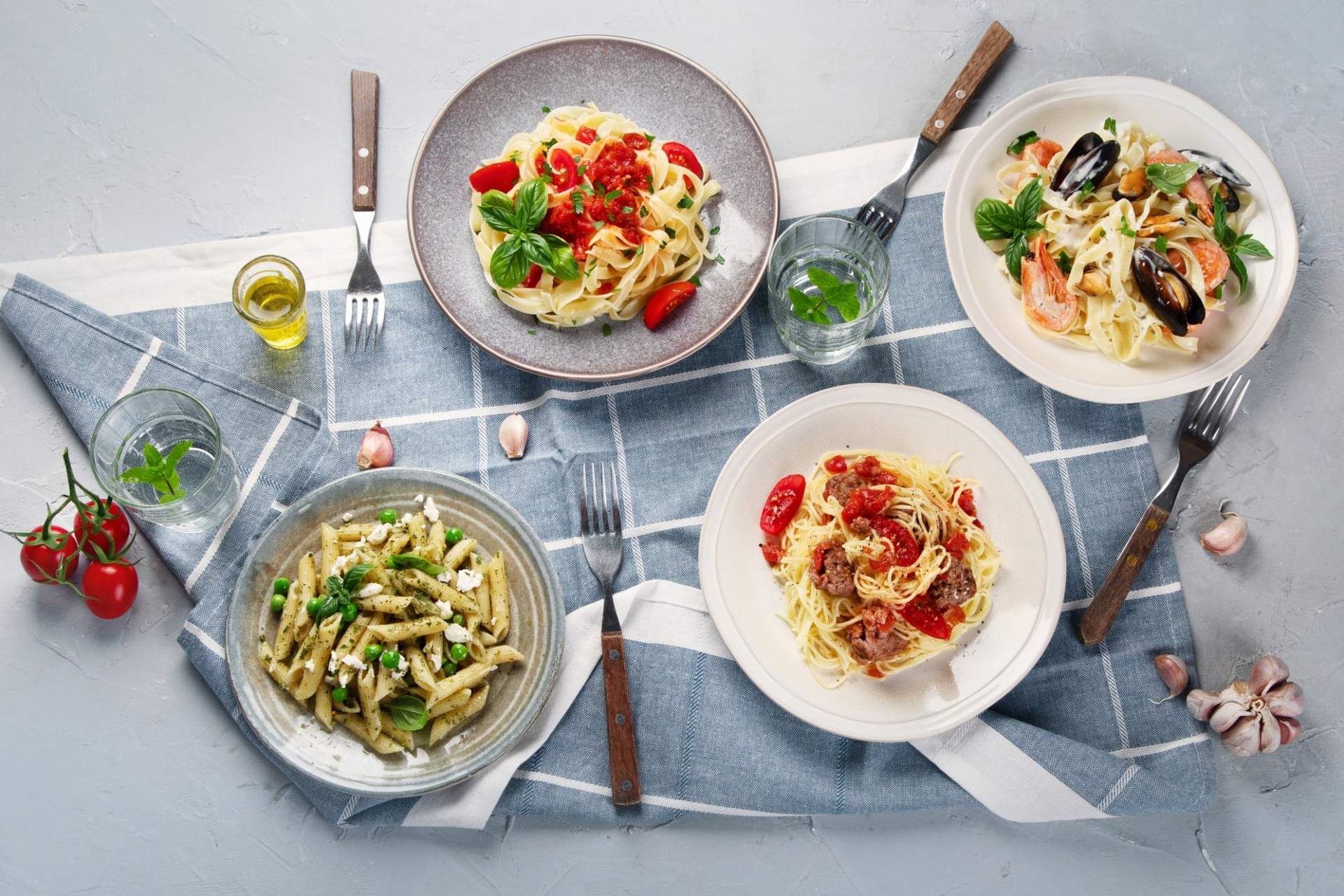
Last but not least, seafood—whether clams, shrimp, or crab—is especially sensitive to storage time. These ingredients spoil quickly if not kept at the right temperature. Fish and other seafood can easily become breeding grounds for bacteria that cause food poisoning and serious stomach issues.
Our tips for storing seafood: Because they spoil fast, it’s best to prepare and store seafood fresh and keep it in the fridge for no more than 24 hours. If you need to store it longer, check the smell and texture carefully before eating. The safest approach is to buy or cook only what you’ll eat right away.