Forget sharp contours and heavy coverage. The beauty trend turning heads in 2026 takes its cues from the art studio — soft color washes, seamless blends, and a finish so natural it looks like your skin is glowing from within. Watercolor makeup is here, and it's genuinely worth the hype.
What is watercolor makeup — and why is everyone obsessed with it?
At its core, watercolor makeup is about letting colors breathe. Instead of defined lines and bold contrasts, this technique relies on natural color mixing, gentle transitions, and a soft, harmonious overall effect that feels almost dreamlike.
What makes it so appealing is how personal it can be. It doesn't mask your features — it enhances them. Whether you're heading to a romantic dinner or a bigger event, the look scales effortlessly, and it works beautifully across skin tones and ages.
The tools and products you'll need
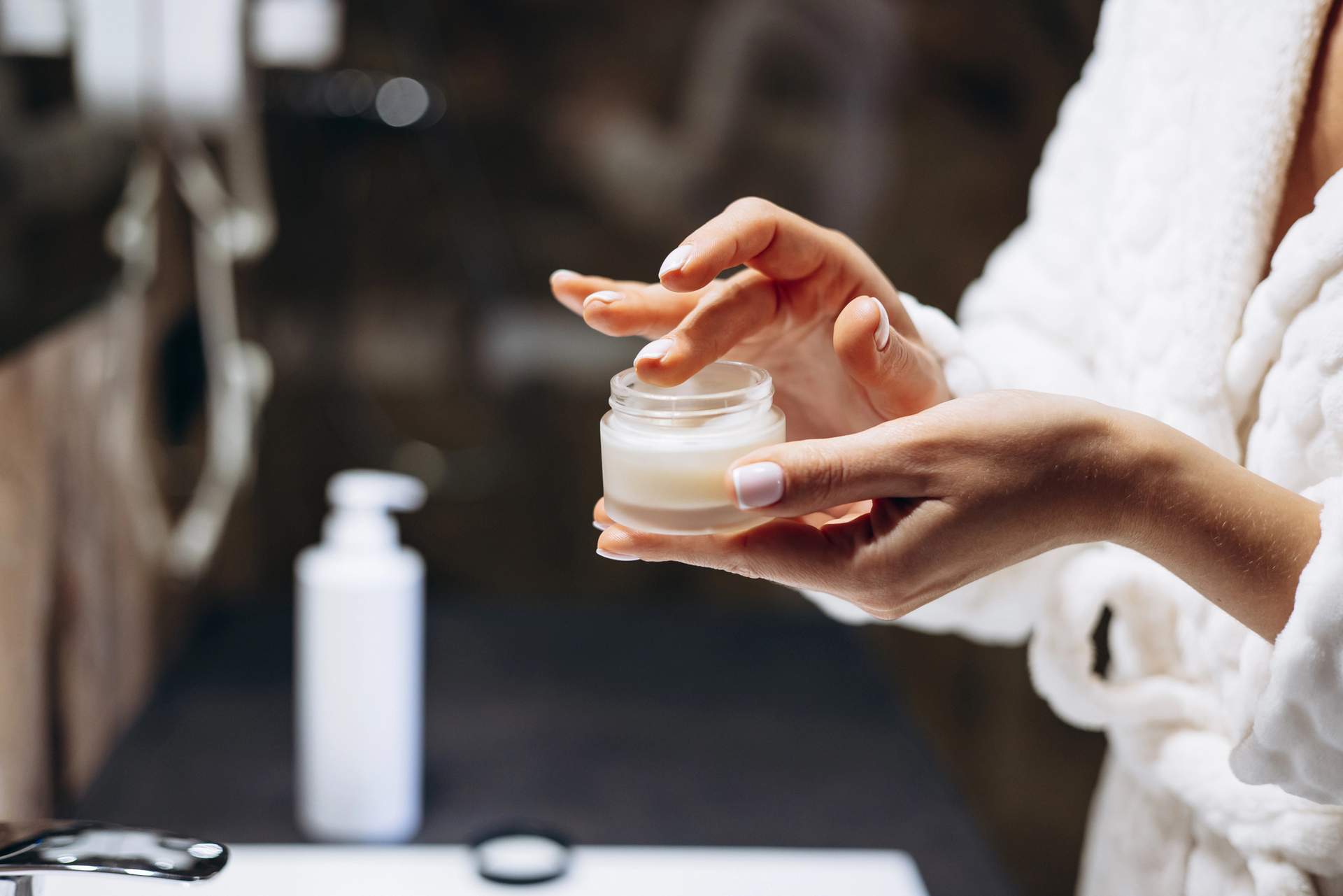
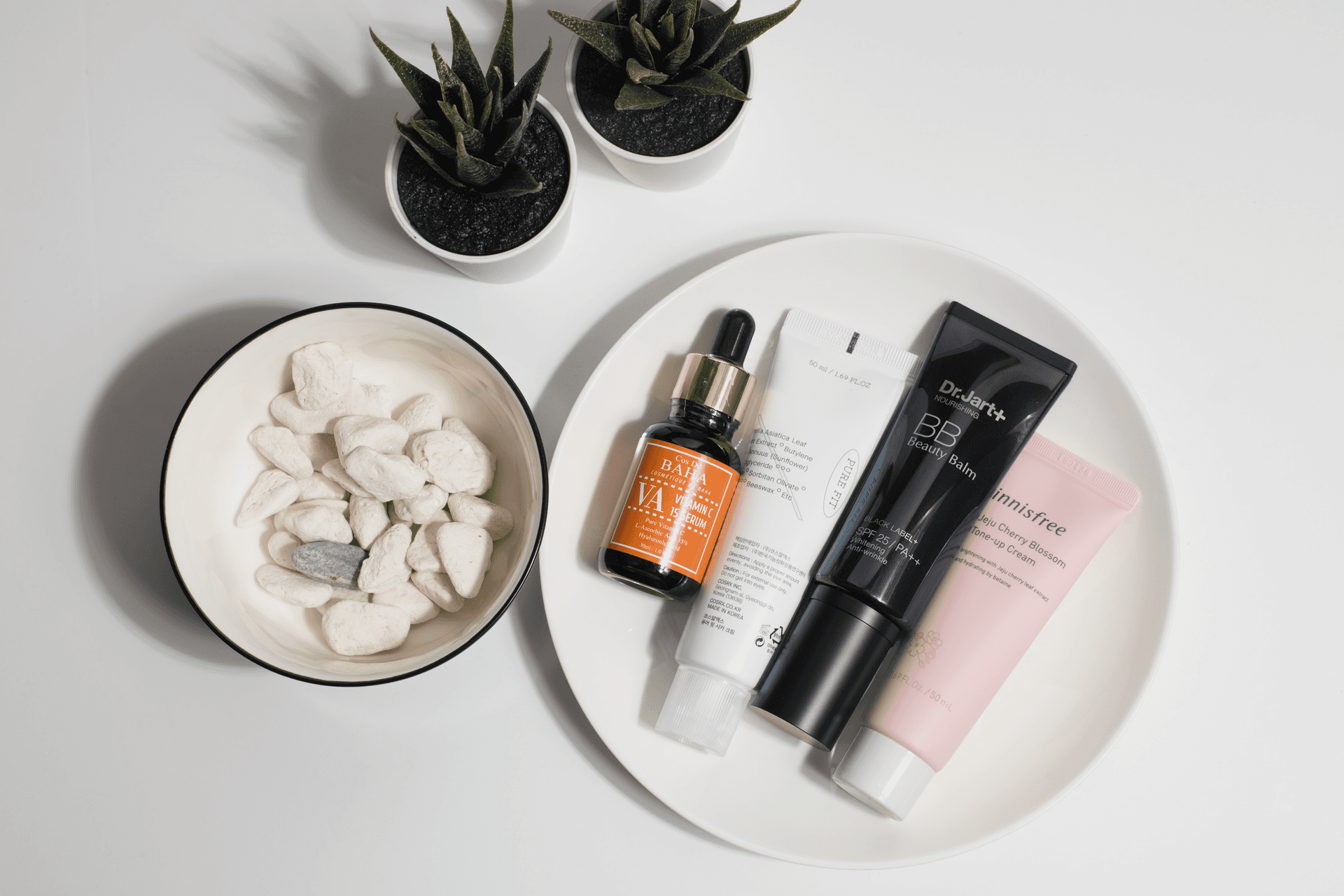
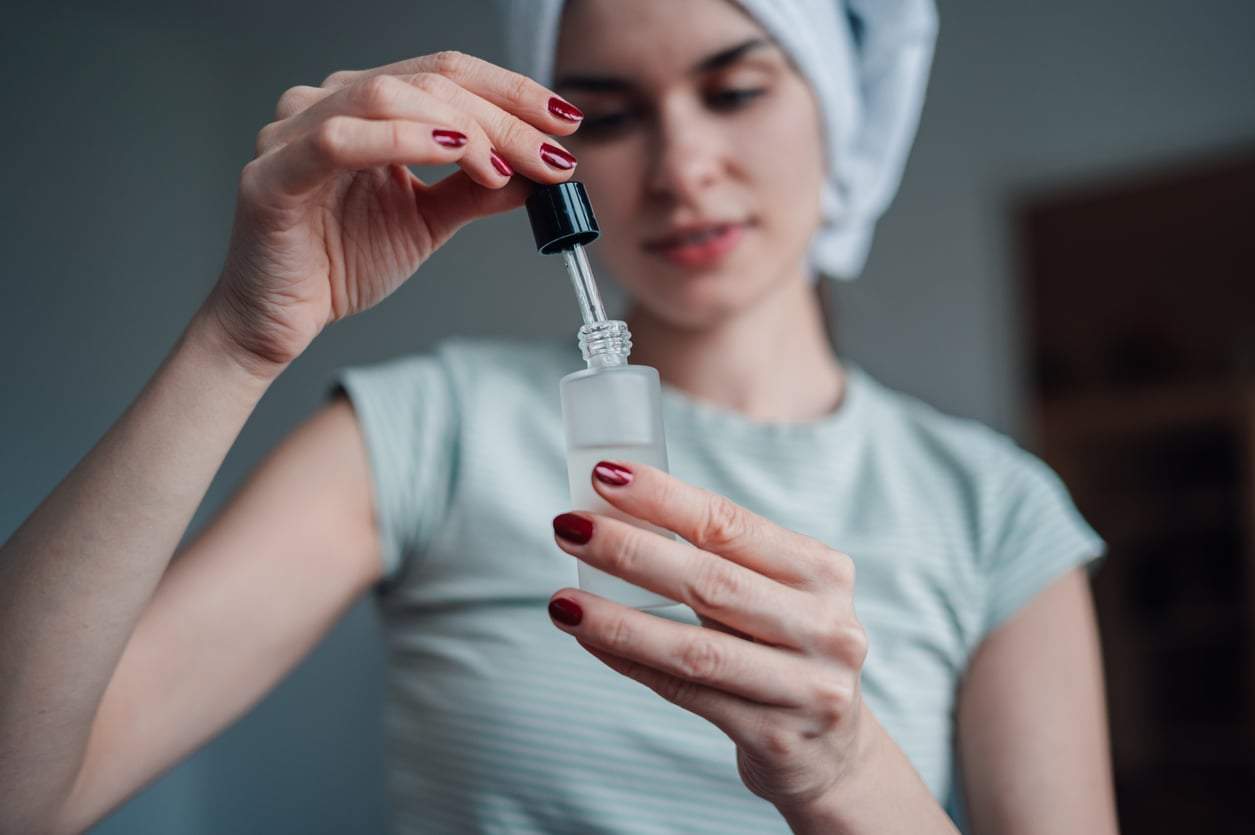
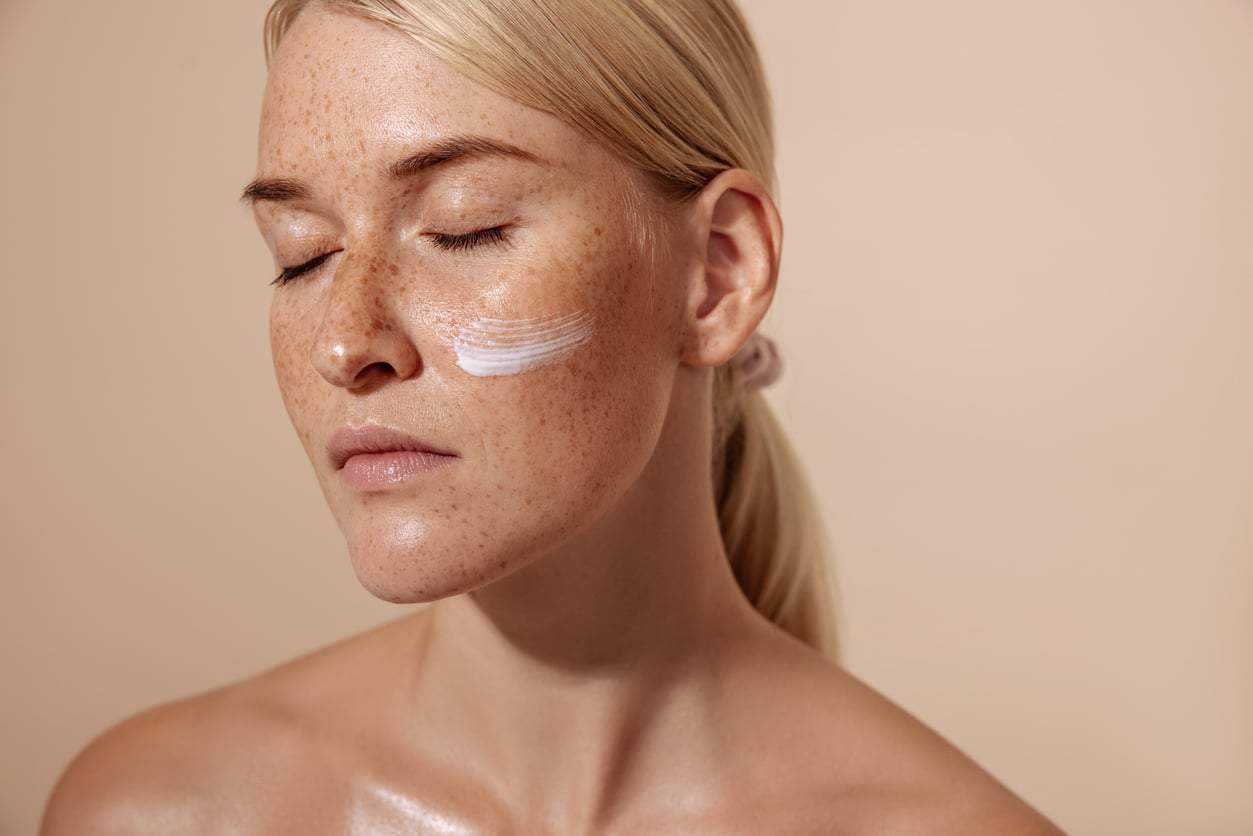
Getting the watercolor effect right comes down to a few key choices. Start with a good moisturizer and a lightweight foundation — a smooth, hydrated base is essential for blending colors seamlessly. Dry or uneven skin will break the effect before you've even started.
For brushes, look for soft, densely packed bristles that can distribute and blend color without dragging. When it comes to formulas, liquid and gel-based products are your best friends here — they blend more naturally and give that signature translucent, watercolor finish that cream or powder products often can't replicate.
Step-by-step: how to create the watercolor look
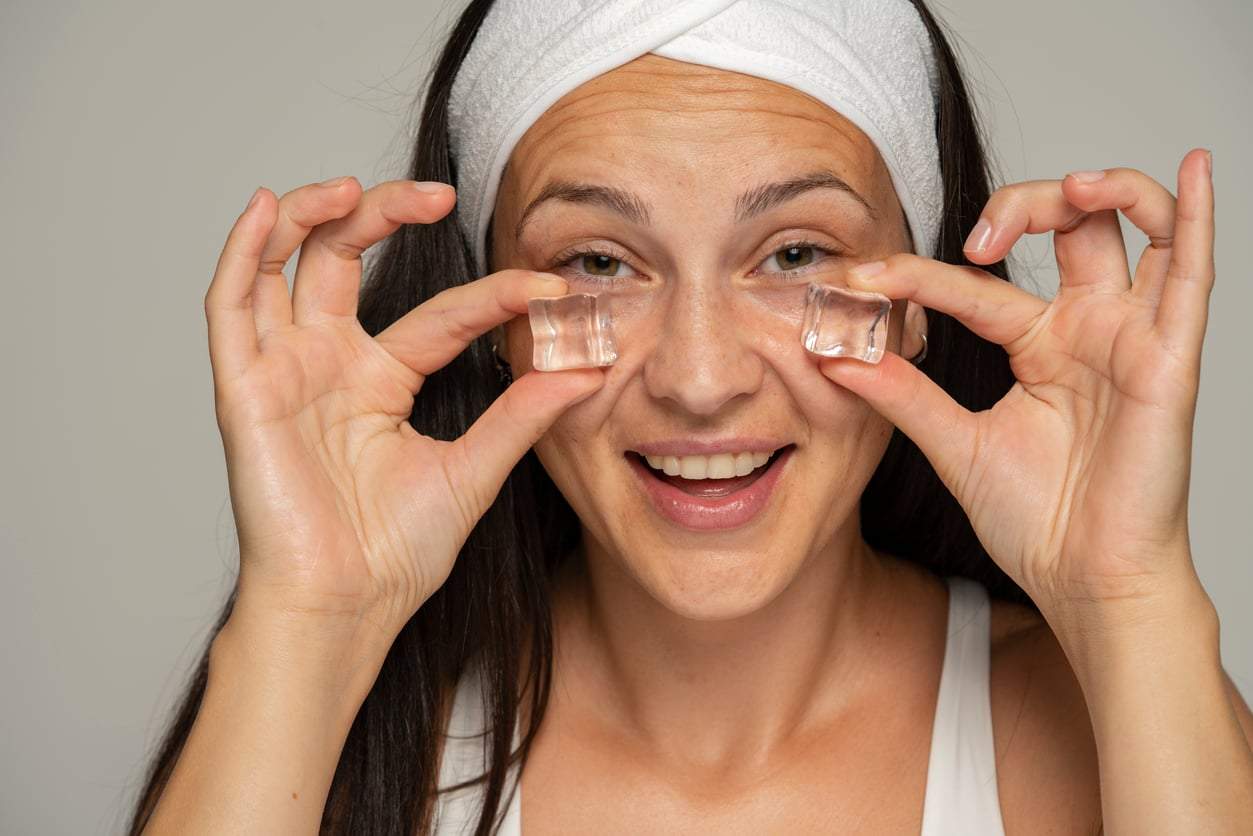
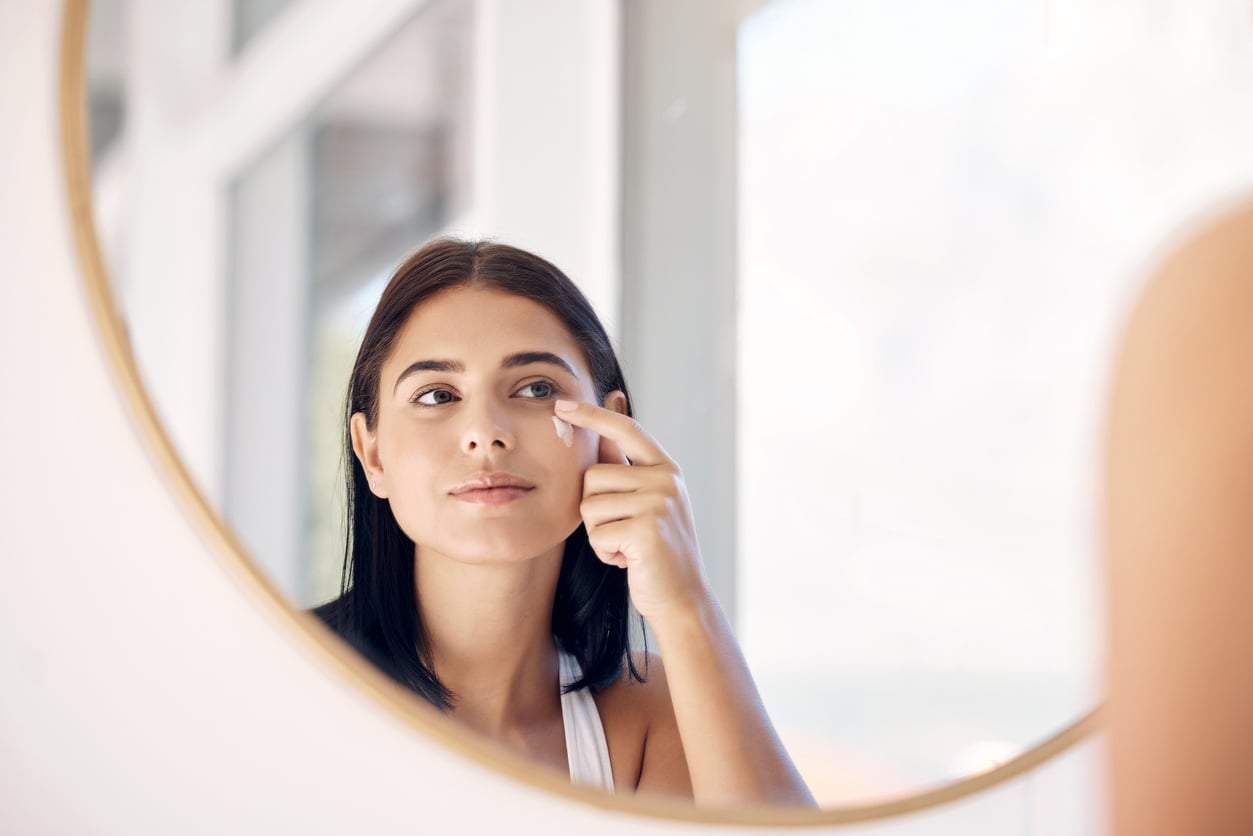
- Prep your skin first. Cleanse thoroughly, then apply a hydrating moisturizer. A smooth, fresh base is everything — the blending technique only works beautifully when the skin underneath is well-prepared. Once your base is set, you're ready to play with color.
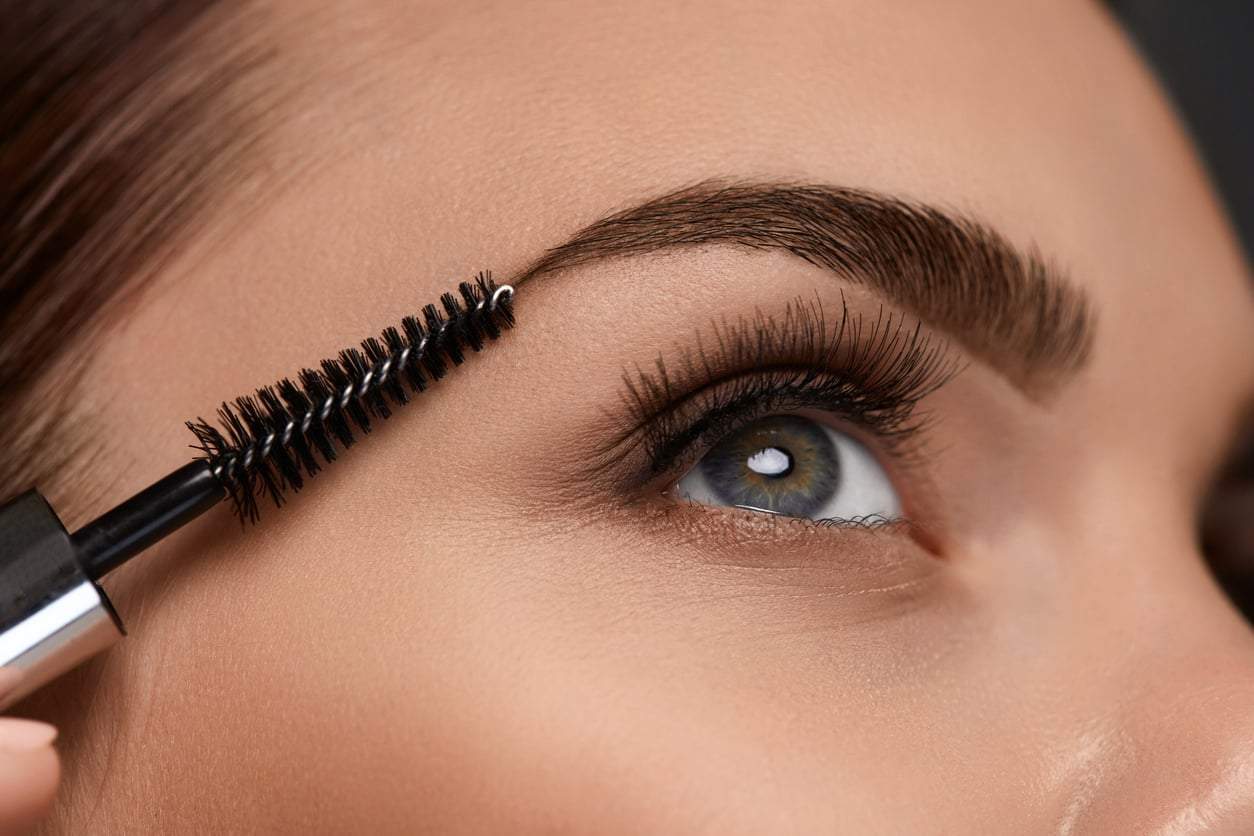
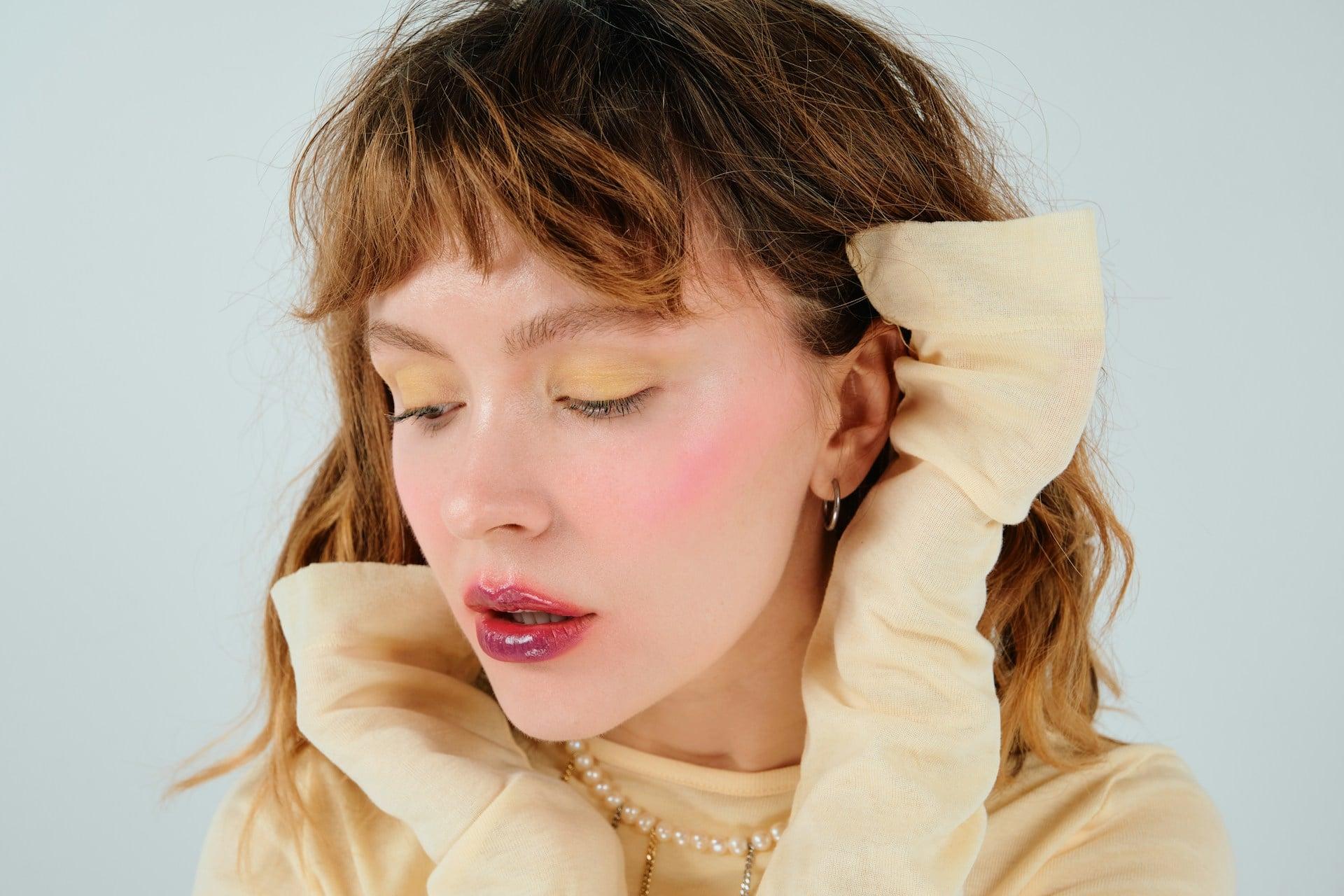
- Start with the eyes. Apply a soft, neutral shade across the lid, then gradually build color transitions outward. Take your time blending — the goal is a seamless, streak-free gradient with no harsh edges.
- Add a hint of warmth toward the temples. A soft rose or muted coral swept gently toward the hairline creates a delicate frame around the eyes and gives the whole look a sun-kissed, painterly quality.
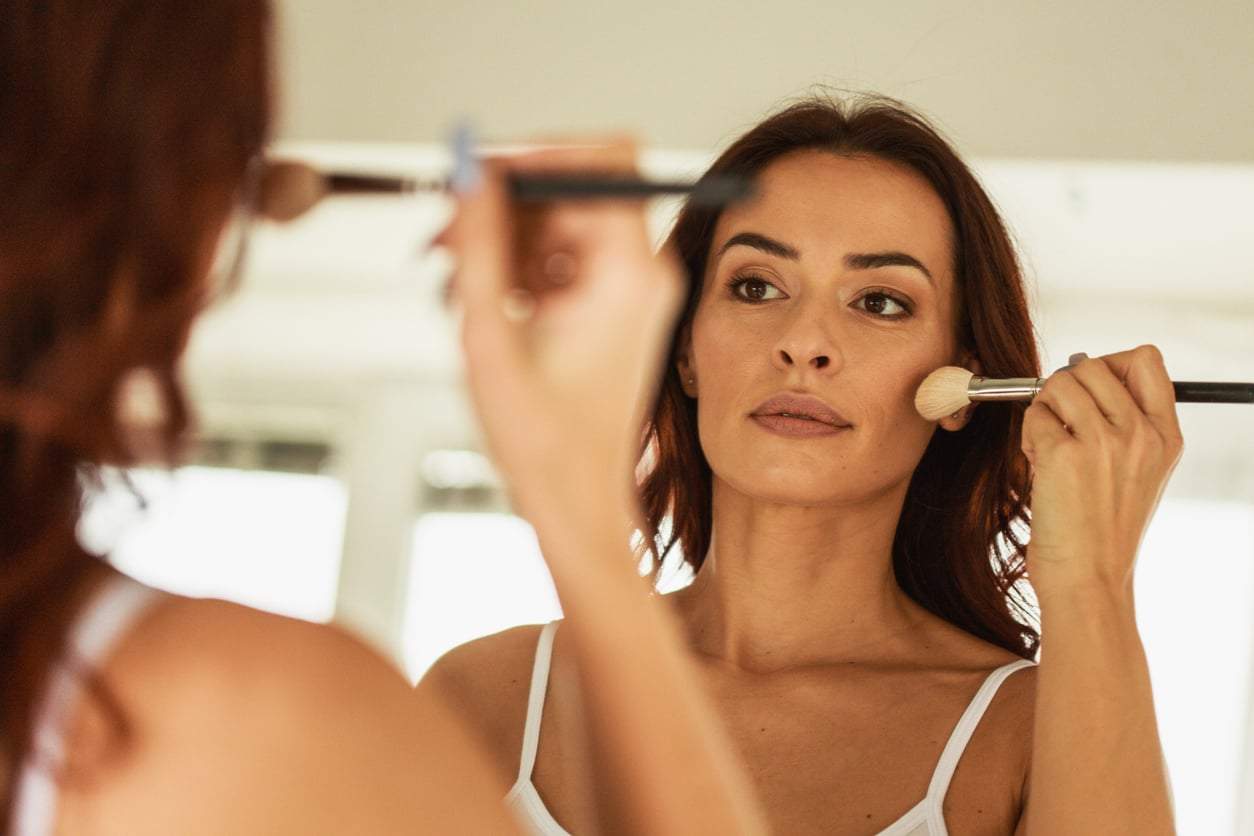
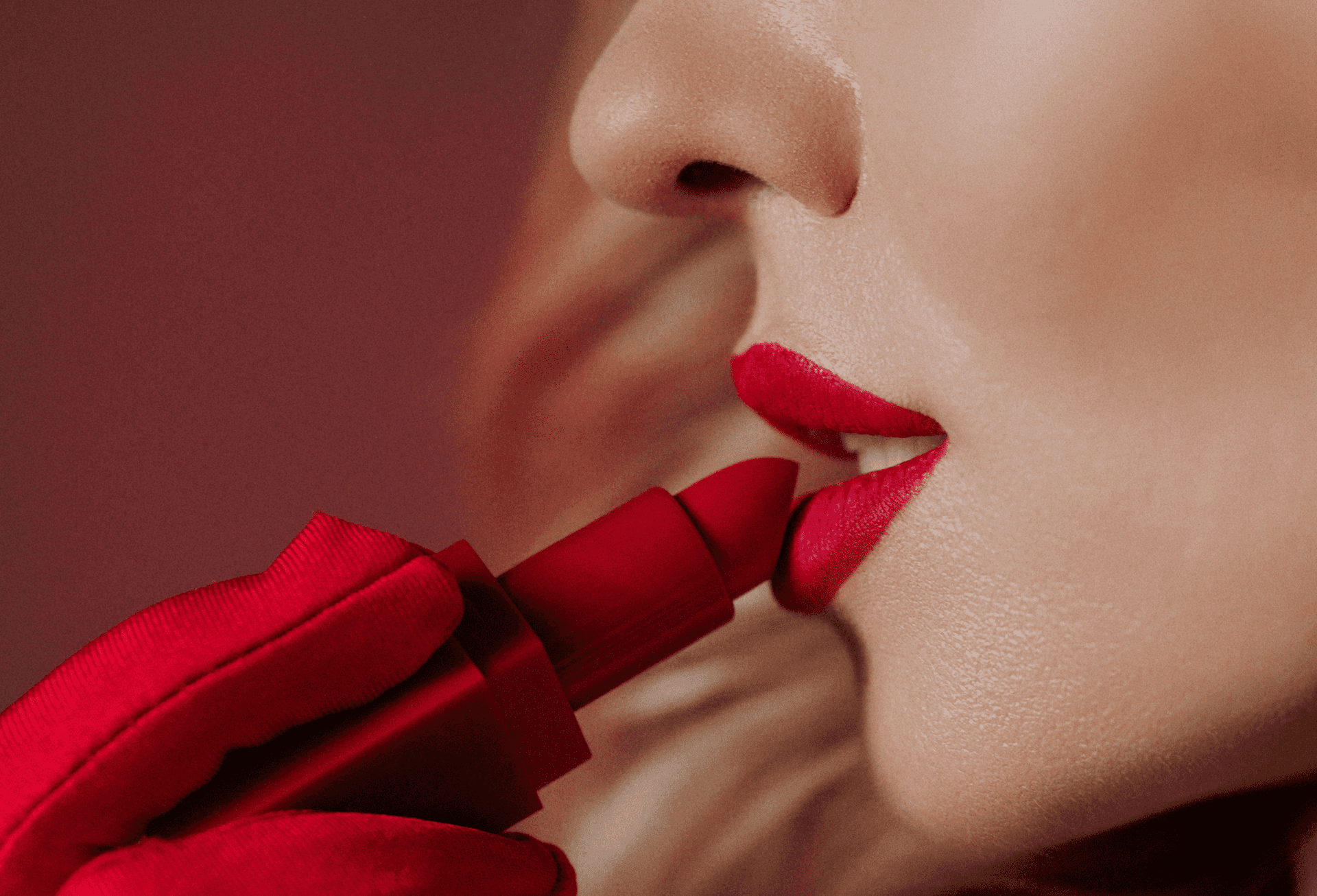
- Keep the cheeks and lips soft and natural. A muted blush in peach or dusty pink on the cheekbones echoes the eye colors beautifully. Finish with a touch of highlighter on the high points of the face for that fresh, luminous glow that makes this look so distinctive.
Common mistakes — and how to avoid them
The most frequent issue people run into is not blending enough. Watercolor makeup lives and dies by its transitions — any patchiness or unblended edges will immediately undercut the effect. Slow down, use a light hand, and keep working the color until it melts into the skin.
Color choice matters just as much as technique. Pastels and earthy neutrals are the sweet spot — they create that airy, natural quality that defines the look. Avoid strong, high-contrast combinations. They might work beautifully in other contexts, but here they'll break the soft, fluid character that makes watercolor makeup so special.
Is this more than just a trend?
Watercolor makeup isn't a flash-in-the-pan moment. It fits squarely into a broader shift in beauty toward naturalism, creativity, and self-expression — values that aren't going anywhere. The look works regardless of age or occasion, which gives it real staying power.
Beauty brands are already developing more products designed specifically for this kind of blended, translucent application. As the tools improve and the technique becomes more accessible, watercolor makeup is set to become less of a trend and more of a genuine form of wearable art — one that anyone can make their own.