
Today, healthy living is a hot topic, yet many still face challenges like excess weight, high blood pressure, digestion issues, or chronic fatigue. Despite advances in medicine, it seems people aren’t necessarily healthier than before—in fact, the balance between body and mind often slips out of focus.
Laura Stunz, a holistic nutrition consultant, shared her insights on the German Elle platform, highlighting how past lifestyles included habits we can benefit from today. These more natural, conscious, and balanced days helped people stay slimmer, more vital, and healthier—without strict diets or intense workouts.
Sweets and Sugary Drinks Were Rare Treats
Sugar used to be a true luxury. Cakes and chocolates were special rewards tied to celebrations, not everyday snacks. Soft drinks, energy drinks, and constant snacking were almost unheard of. This natural moderation not only kept blood sugar steady but also reduced binge eating and eased the metabolic load over time.
Everyday Tip: Keep the "special occasion" vibe around sweets, even in today’s busy world. Snack mindfully—maybe just on weekends—and swap sugary drinks for fresh lemon water or sugar-free teas.
Movement Was a Natural Part of Daily Life

Back in the mid-20th century, gyms weren’t a thing, yet people led much more active lives. Housework, walking, climbing stairs, and gardening kept bodies moving. Kids played outside, running and climbing, which boosted both their physical health and social skills.
Tip: Modern workouts are great, but they don’t replace natural movement. Rediscover the joy of daily walks, taking the stairs, or dancing at home—simple, effective ways to stay active.
Fresh Ingredients Took Center Stage
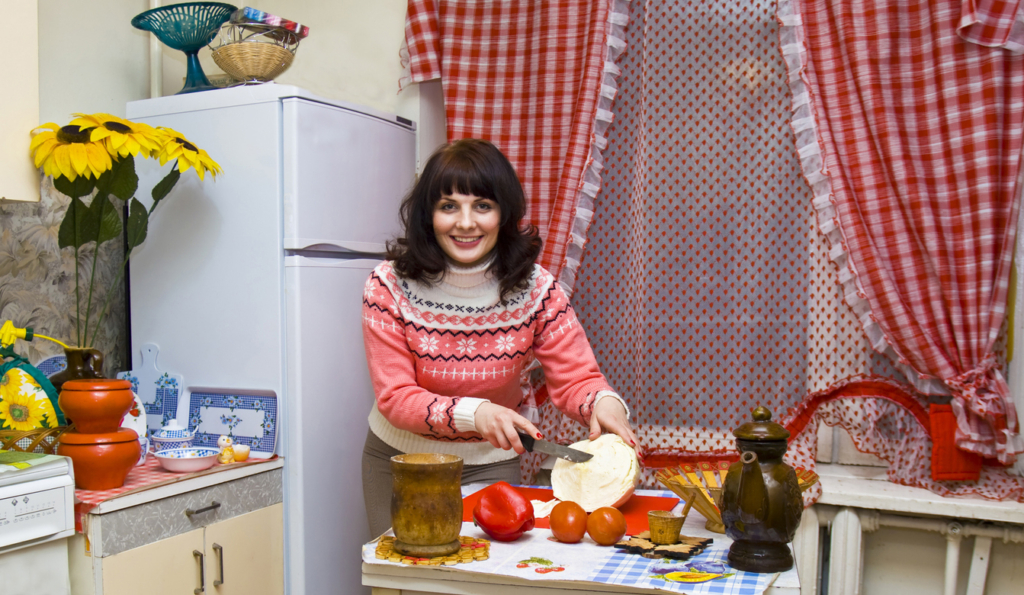
Before processed and convenience foods took over, people mostly cooked from fresh, seasonal ingredients. There was less added sugar, fewer additives, and no trans fats. Portions were smaller, and meals had a rhythm—no all-day snacking, and eating was more about community than just filling time.
Tip: Simple meals can do wonders for your health. Plan ahead—try setting aside a Sunday afternoon for meal prep, or keep frozen veggies and legumes on hand for quick, nourishing dishes.
They Relied on Seasonal and Local Foods
Back then, strawberries or tomatoes weren’t available year-round—but what was in season was fresh, flavorful, and nutrient-rich. People cooked according to local market offerings, which benefited both their bodies and the environment. Meat consumption was moderate and often came from nearby butchers offering higher-quality sources.
Tip: Shop seasonally and support local producers when you can, or check store shelves for domestic products. Changing seasons are a great excuse to try new recipes.
Less Screen Time and More Real Connections
It’s not just eating and moving that have changed—our whole lifestyle has. In the ’60s, TVs were rare with limited channels. People read more, talked, played, or simply spent time outdoors. Without social media and constant screen use, life felt calmer and more balanced.
Tip: Cut down screen time intentionally. Try "offline hours"—like after dinner—and spend more time with loved ones, in nature, or creating. These moments nourish both body and soul.
Is It Worth Returning to Our Roots?
Of course, the past wasn’t perfect—medical care, social structures, and challenges were different. But as the holistic nutrition consultant emphasizes, many old, trusted habits can still help us restore balance between body and mind.
Remember: sometimes the simplest changes make the biggest difference.