In my twenties, while sitting in university lectures, I often thought—especially before a tough exam—that the knowledge I was gaining was just a tool to succeed in the job market.
Amid exam seasons and piles of research data, I had no idea that years later, right in my living room, these theoretical insights would take on a whole new, meaningful dimension. Writing my thesis wasn’t just a task to check off; it was a mental journey whose rewards I now reap as a mom.
From the Thrill of Research to Eye-Opening Discoveries
Recently, I helped a friend with her thesis, and this collaboration unexpectedly brought back memories. I remember how deeply I was drawn into the process when I dived into my own topic back in 2012. The world of reading sociology captivated me as I explored which family and environmental factors shape children’s reading skills.
Back then, it was mostly scientific curiosity (and obligation) driving me, but I loved diving into specialized books and scanning the latest studies. The most exciting part was analyzing my own research. There was something special about reading between the lines and suddenly connecting the invisible dots that define a child’s evolving relationship with books and learning.
Facing the Dark Side of the Digital Age
My research brought not only professional success but also a painful glimpse into a societal mirror. Even then (more than a decade ago!), it was clear how the daily lives of elementary kids were irreversibly changing.
I remember the sadness I felt when the surveys revealed that for many young kids, the only shared family "activity" was weekend shopping trips to the big supermarkets.
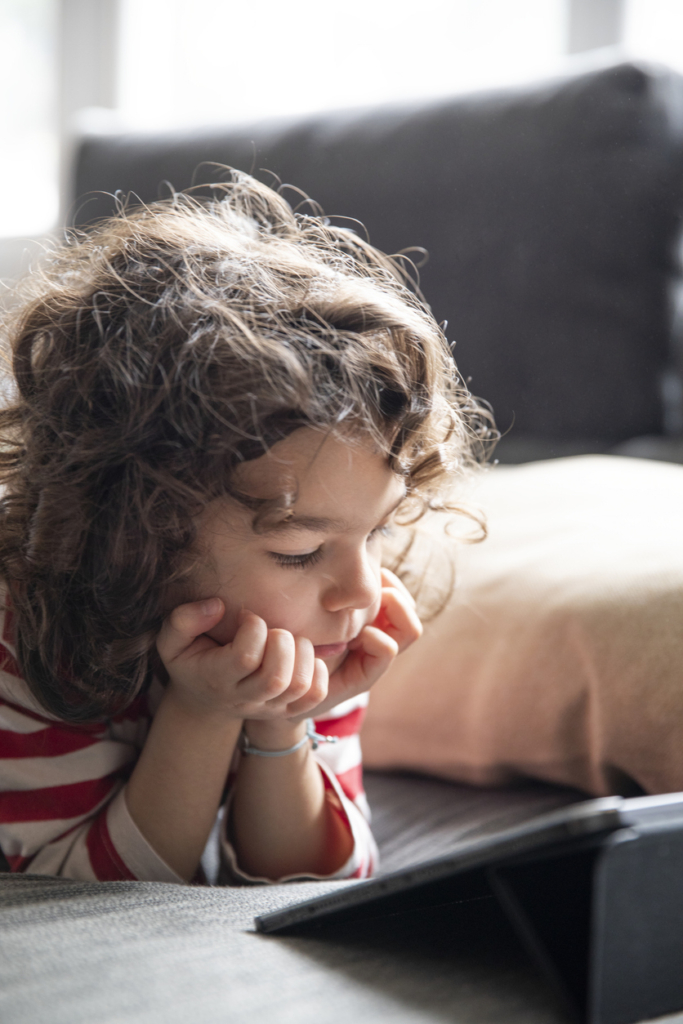
Back when the internet was just starting to creep into our lives, almost every child had their own TV in their room, often watched alone and without supervision. (Yes, this was still when adult content could automatically air on some channels at night.)
These insights stuck with me deeply. Even before becoming a mom, I was already building the values I now live by at home. The data I analyzed weren’t just statistics—they were warnings about how real connection and imagination get lost in the noise of technology.
The Power of Leading by Example Shines Through
Shortly after my daughter was born, the theories I learned at university suddenly became living practice. I clearly remembered a key lesson from my research: children don’t do what we say, but what they see us do.
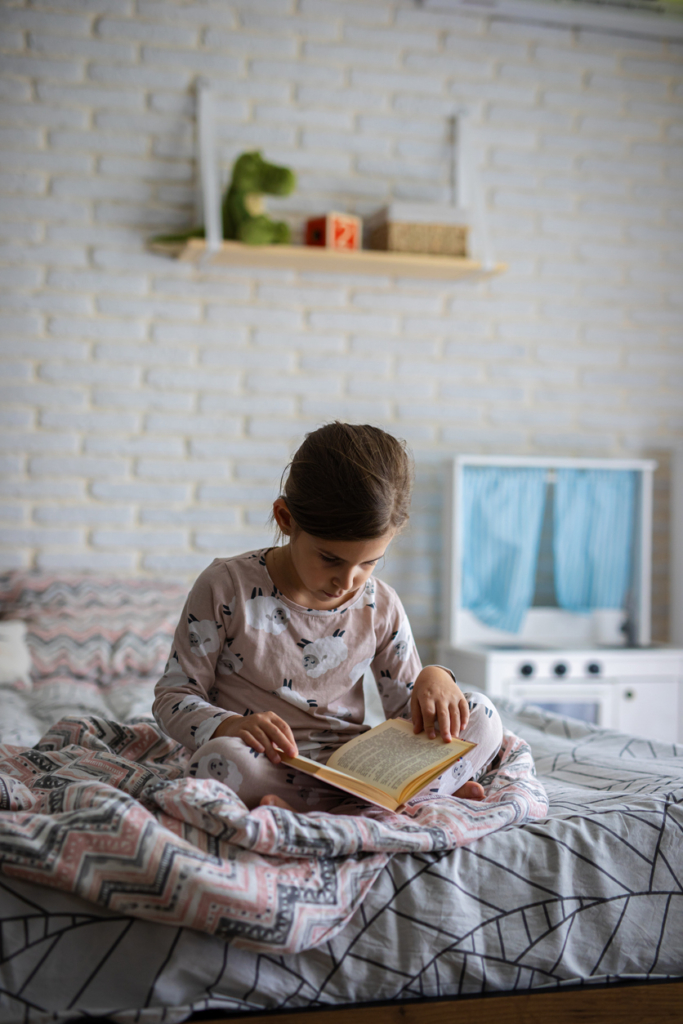
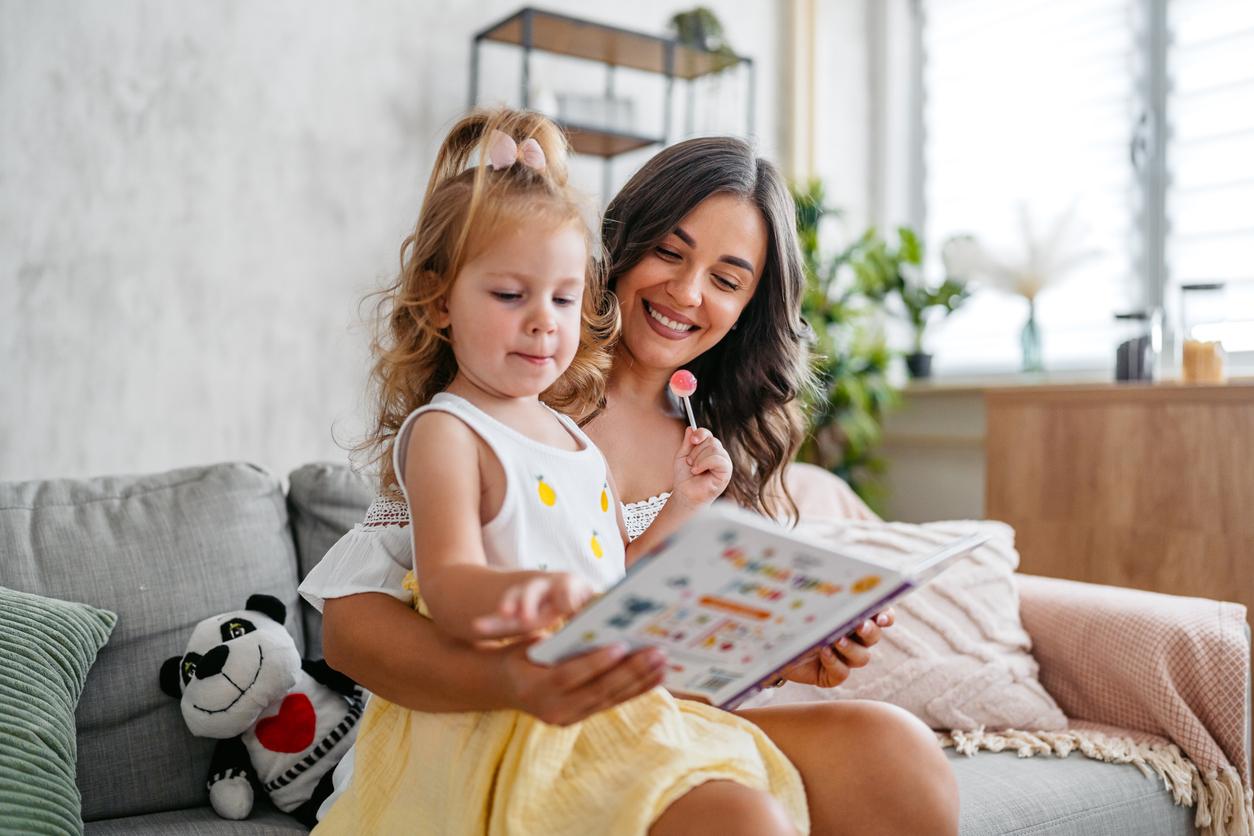
If I want my daughter to love books, she needs to see me reading too.
It’s not enough to just put the storybook on the shelf; I need to get lost in a novel on the couch so she feels motivated and starts to imitate. This awareness helped make reading and learning a natural, enjoyable routine in our home—not a chore.
Don’t get me wrong—we don’t live in a sterile, tech-free bubble, and I’m far from a perfect parent. We have screen time too, and sometimes my daughter watches cartoons instead of reading. But the knowledge I gained from my thesis acts as an inner compass guiding how I manage it all. I don’t ban outright—I set limits and choose wisely.
The difference is that I truly understand how screen use works and its impact on a developing brain, so I can confidently set boundaries. This background knowledge brings peace of mind: I know why I say no sometimes and why I prefer playing together or chatting over passive screen time.
Looking back, I realize that during my university years, I didn’t just earn a diploma but gained a mindset that supports me in one of my most important roles today—motherhood. The world keeps changing, but real knowledge empowers us to live more mindful, present lives.