A unique crime drama that taught me a lot
Declared Guilty isn’t your typical crime story. It’s more of a social drama exploring how we decide who’s guilty or innocent. How long do we really pay attention before we box someone into a category? And what does it mean to be empathetic in a world where surface impressions often overshadow the real story?
We judge quickly—and we can be wrong
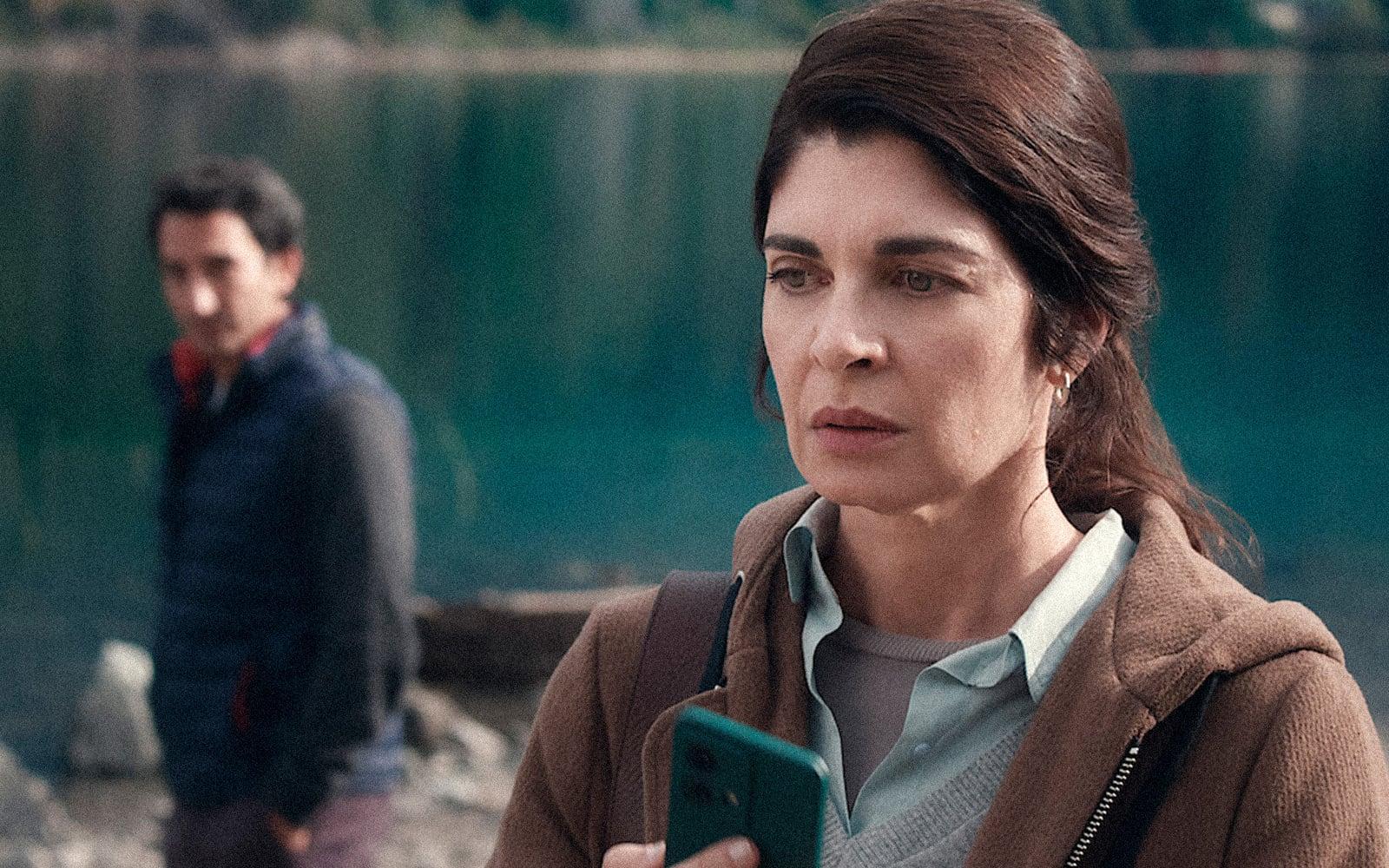
One key character, Leo, finds himself in a situation where many signs point to his guilt in a shocking case. Society, the media, even his own acquaintances quickly form opinions. What’s truly striking is that viewers do too. The first episodes are crafted so that we’re likely judging alongside everyone else. The series cleverly highlights how natural quick judgments are—and how risky they can be.
As the story unfolds, layer by layer, we uncover the past, the personalities involved, and the choices that led here. Each new detail can change our view of the truth. It reminds us that a single moment, sentence, or action can’t explain a whole person’s story. What seems "clear" at first might just be a fragment of a half-known tale.

Empathy—the art of understanding, not excusing
One of the series’ greatest strengths is that it doesn’t ask for our pity. It doesn’t want us to "excuse" the characters—just to understand them. That difference is key. Empathy doesn’t mean agreeing with someone’s choices or actions. It means trying to see the background, the reasons, the motivations. Trying to look not just with our eyes, but with our hearts.
Alongside the main characters, the supporting cast shows how much we don’t see of each other. Some judge out of anger, others from fear or past wounds. These characters remind us that we all carry burdens—and that judging often reveals more about us than those we judge.
Today, social media often passes judgment too
The series subtly but clearly reflects on how judgment no longer comes only from courts. Social media—where a case can become a verdict in seconds and a person’s life is reduced to a few lines—also takes center stage. Online, we’re all "jurors," even if we never signed up for it.
That’s a heavy responsibility. Every like, comment, and share shapes opinions—and often impacts lives. Declared Guilty showed me that if we’re not willing to look deeper, we risk fueling a culture of snap judgments—even when we mean well.

Slow down, ask questions, understand situations
For me, the biggest takeaway was realizing empathy isn’t innate—it’s a choice. Every time I form an opinion about someone—whether a friend, a public figure, or a stranger in the news—I can choose to try to understand. To ask questions. To not take appearances at face value.
Sure, it’s hard. Definitely more tiring than judging at first glance. But in the long run, it’s more human—and, I’m sure now, much fairer.
A series that’s more than fiction
Declared Guilty isn’t a perfect series. It has flaws and exaggerations, and it might not be everyone’s cup of tea. But it definitely sparks thought. And if it helps us pause and think twice before judging someone next time, it’s already worth it.
Because true empathy doesn’t start when everything is revealed—it begins when we’re open to understanding someone before passing judgment.