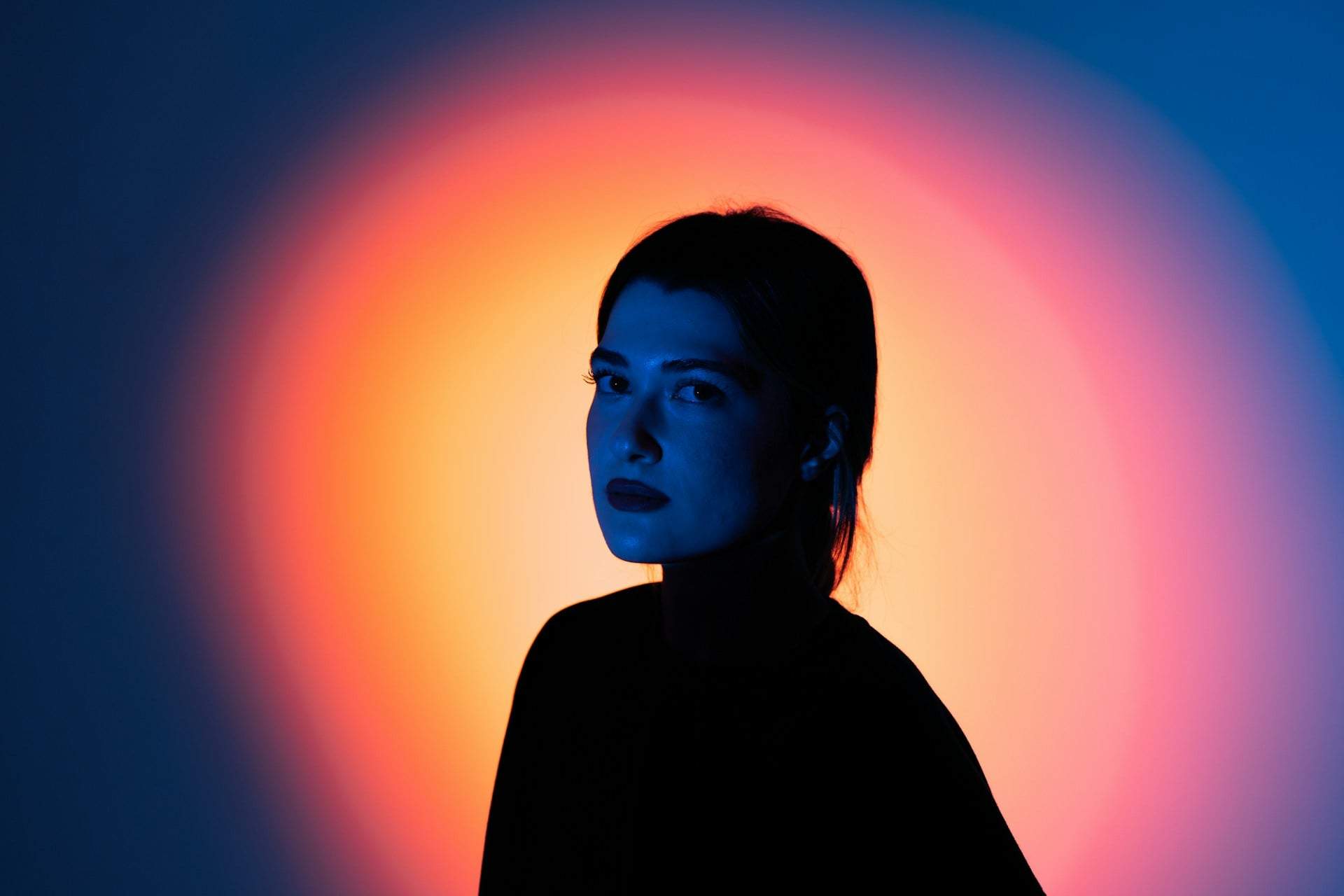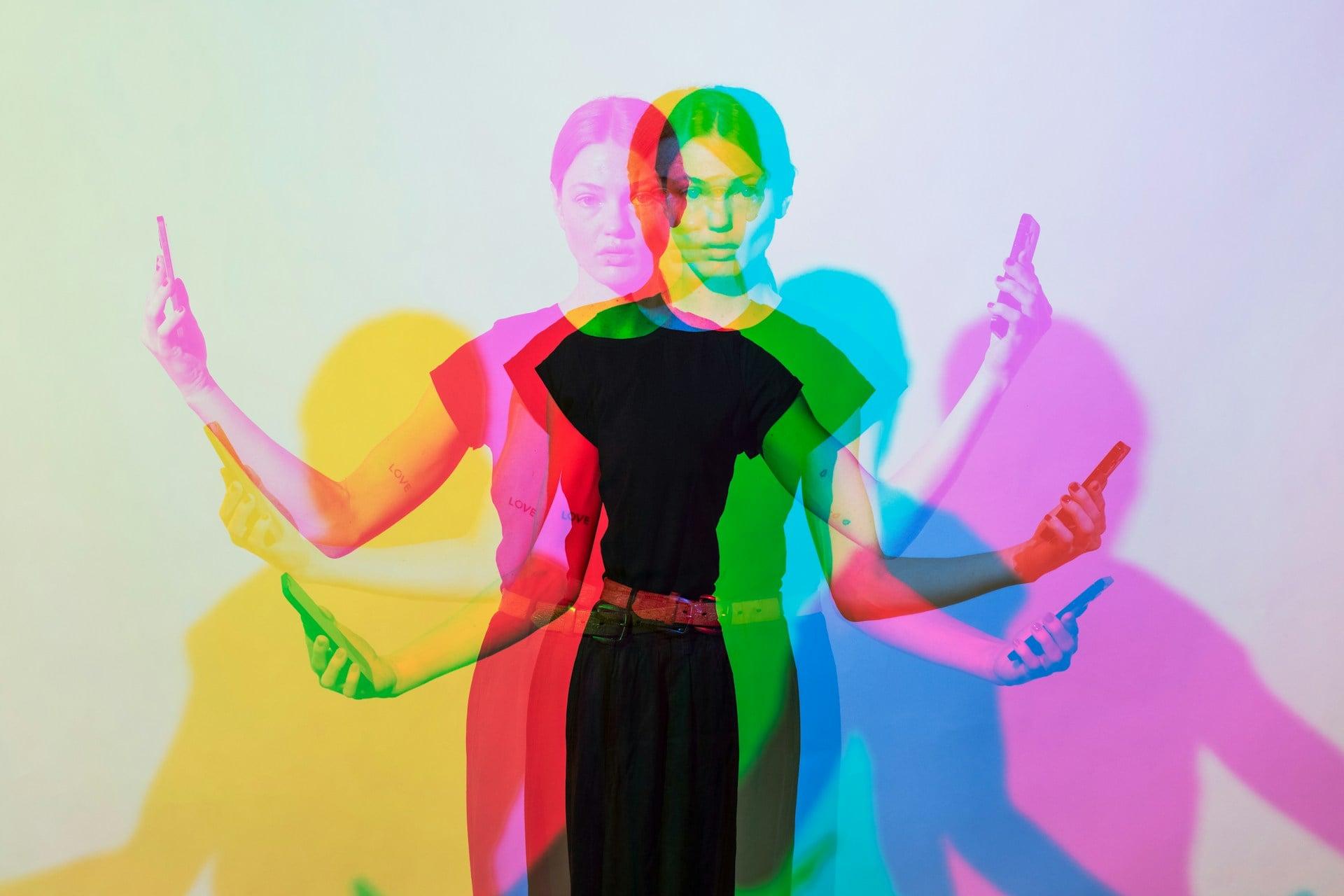
Your energy field is constantly shifting — and it tells a story about who you are right now. The aura, the invisible layer of energy that surrounds every living being, reflects your physical, emotional, and spiritual state in real time. Its colors change as you change, mirroring the inner processes unfolding within you. Whether you're a firm believer or simply curious, learning to read your aura can be a surprisingly powerful tool for self-awareness.
What is the aura — and can you actually see it?
The aura is described in many spiritual traditions as an energetic field that envelops the human body, responding to shifts in mood, health, and consciousness. It sits at the center of countless mindfulness and spiritual practices, with many people believing it influences everything from our relationships to our sense of purpose.
One of the most accessible ways to begin perceiving your own aura is the mirror test. All you need is a reasonably sized mirror, a dimly lit room, and a little patience. Find a quiet, comfortable space where you won't be disturbed. Stand or sit in front of the mirror, relax your gaze, and allow your focus to soften rather than stare directly. Over time — and with regular practice — many people report beginning to notice a subtle glow or haze around their own reflection.
Be patient with yourself. Developing aura perception through concentration and meditation is a gradual process, not an instant one.
Aura colors and what they mean
Each aura color carries its own meaning, offering insight into your current emotional and energetic state. Here are the most commonly seen colors and what they may reveal about you:
- Red: The color of strength, raw energy, and passion. It often appears strongly in creative people or those moving through an intense physical or emotional period.
- Orange: Associated with vibrant, magnetic personalities. An orange aura often reflects emotional balance, enthusiasm, and a genuine love of adventure.
- Yellow: A sign of optimism, joy, and sharp mental energy. People with a yellow aura tend to radiate positivity and light up the spaces they enter.
- Green: The color of harmony, love, and healing. It often surrounds those who are actively nurturing their own emotional wellbeing — or supporting others through theirs.
- Blue: Suggests calm, inner peace, and spiritual depth. A blue aura also reflects strong communication skills and genuine emotional openness.
- Purple: Deeply connected to spirituality and intuition. Those with a purple aura often possess heightened inner vision and a strong connection to their instincts.
- White: A rare and remarkable color symbolizing purity, wholeness, and spiritual growth. It tends to appear in those who have done significant inner work and reached a place of greater spiritual maturity.
How to develop your aura awareness over time
The more consistently you practice, the more refined your perception becomes. Beyond the mirror test, keeping a journal of your experiences can be incredibly useful — note what colors you noticed, what emotional state you were in, and how the two seem to connect. Over weeks and months, patterns will begin to emerge.
Remember: everyone's experience of aura perception is different. There's no right or wrong way to sense energy. Stay open, practice regularly, and you may find yourself understanding your inner world — and the energy around you — in a whole new way.
Think of your aura colors as a personal mirror that goes deeper than any reflection. They can help you understand your emotions, recognize where you are in life right now, and guide you gently on the path of self-knowledge. The more you pay attention, the more clearly you'll begin to see yourself.