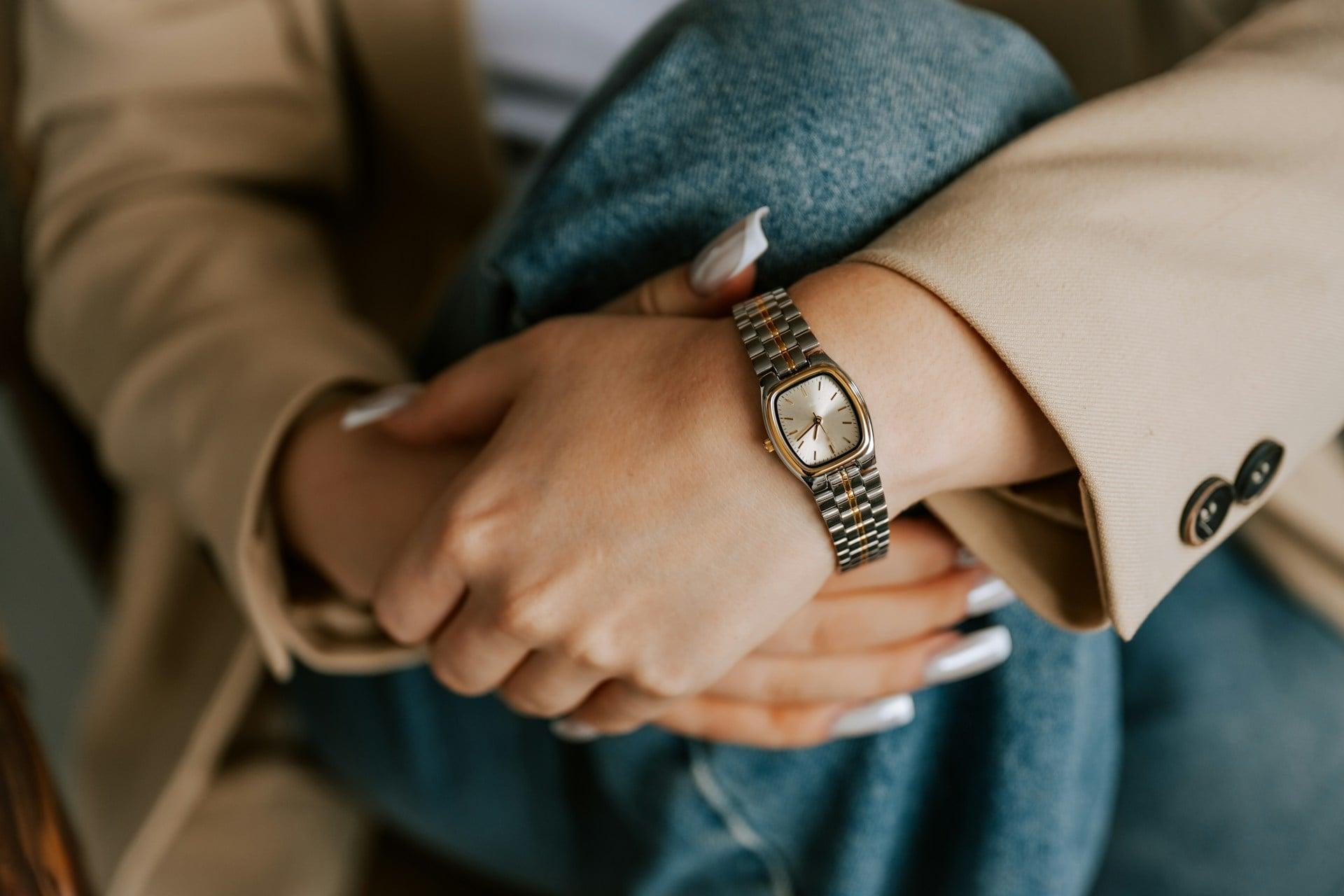
It seems like a trivial habit, something you stopped thinking about years ago. But this one small gesture reveals a surprising amount about how you make decisions — and how you've been making them all along.
A watch is more than a timepiece. It's a quiet signal about how you relate to control, spontaneity, and your own pace. Your subconscious has been choosing the same wrist for years, and buried in that routine is something telling about the way you think.
The left wrist: the careful strategist
Ask most people which wrist they wear their watch on, and they'll say the left — because it's easier to fasten with their dominant right hand. But look a little deeper, and this habit says a lot about your decision-making style. The left wrist is traditionally associated with the logical, planning side of your personality.
People who wear their watch on the left tend to be the type who think ahead, write lists, and won't leave the house without a plan for the day. They rarely make snap decisions. Before saying yes to anything, they map out the consequences — and sometimes keep deliberating even when they already know the answer. For them, security and predictability are worth far more than a rush of excitement.
If this sounds like you, you probably find comfort in routine and feel unsettled when something pulls you off course. That's not a weakness — it's a strength that keeps you grounded when others are scrambling.
The right wrist: the instinct-driven doer
People who wear their watch on the right wrist often stand out from the crowd — and many have felt that way since childhood. This choice tends to go hand in hand with fast, instinctive reactions. These are the people who hate overthinking, prefer to dive in, and figure things out along the way.
If you wear your watch on your right wrist, chances are you've made decisions you second-guessed the next morning — but you made them anyway, and you wouldn't have it any other way. Risk doesn't scare you; it energizes you. You actively seek variety over routine, and nothing frustrates you more than having to weigh a situation endlessly before acting.
The upside? You often move faster than everyone else. The trade-off is that speed sometimes costs you, and learning to pause — even briefly — can be one of the most valuable things you practice.
When the habit suddenly changes
Some people occasionally switch wrists — sometimes deliberately, sometimes because of a rash, a scratch, or simple restlessness. But this shift often quietly coincides with a turning point in life. A new job, a new relationship, a major decision on the horizon — many people notice they've swapped their watch to the other wrist, as if their body is signaling: it's time to think differently.
If you've caught yourself wearing your watch on the other wrist for weeks now, it's worth pausing to ask: what has changed? You might be trying to break an old pattern, or standing at the edge of a decision that demands more courage than you're used to giving yourself.
No watch at all
Then there are people who don't wear a wristwatch at all and simply check their phone for the time. They tell a different story. Ritual matters less to them — what drives them is flexibility. They don't want to be tied to any single object, and in their decisions, they like to keep the back door open, just in case something changes.
Next time you strap on your watch in the morning, take just a second to notice: which wrist does it go on — and why that one? That small, barely-conscious movement might be the most honest thing you do all day.
Does which wrist you wear your watch on really reveal something about your personality?
It's not a hard science, but the wrist you habitually choose can reflect your broader approach to decisions — whether you tend to plan carefully or act on instinct. It's a lens for self-reflection, not a definitive personality test.
What does wearing a watch on the right wrist mean?
Right-wrist wearers are often described as instinct-driven and comfortable with risk. They tend to act quickly, embrace variety, and feel frustrated by prolonged deliberation. It can also simply mean they're left-handed, though the article focuses on the psychological patterns that often accompany the choice.
What does it mean if you keep switching wrists?
Switching wrists often coincides with a period of personal change — a new job, a new relationship, or a major decision. It can be a subtle signal that you're shifting your mindset or preparing to step outside your usual comfort zone.
What does it say about you if you don't wear a watch at all?
People who skip the watch and check their phone for the time tend to value flexibility above ritual. In their decisions, they prefer to keep options open rather than commit to fixed plans or routines.